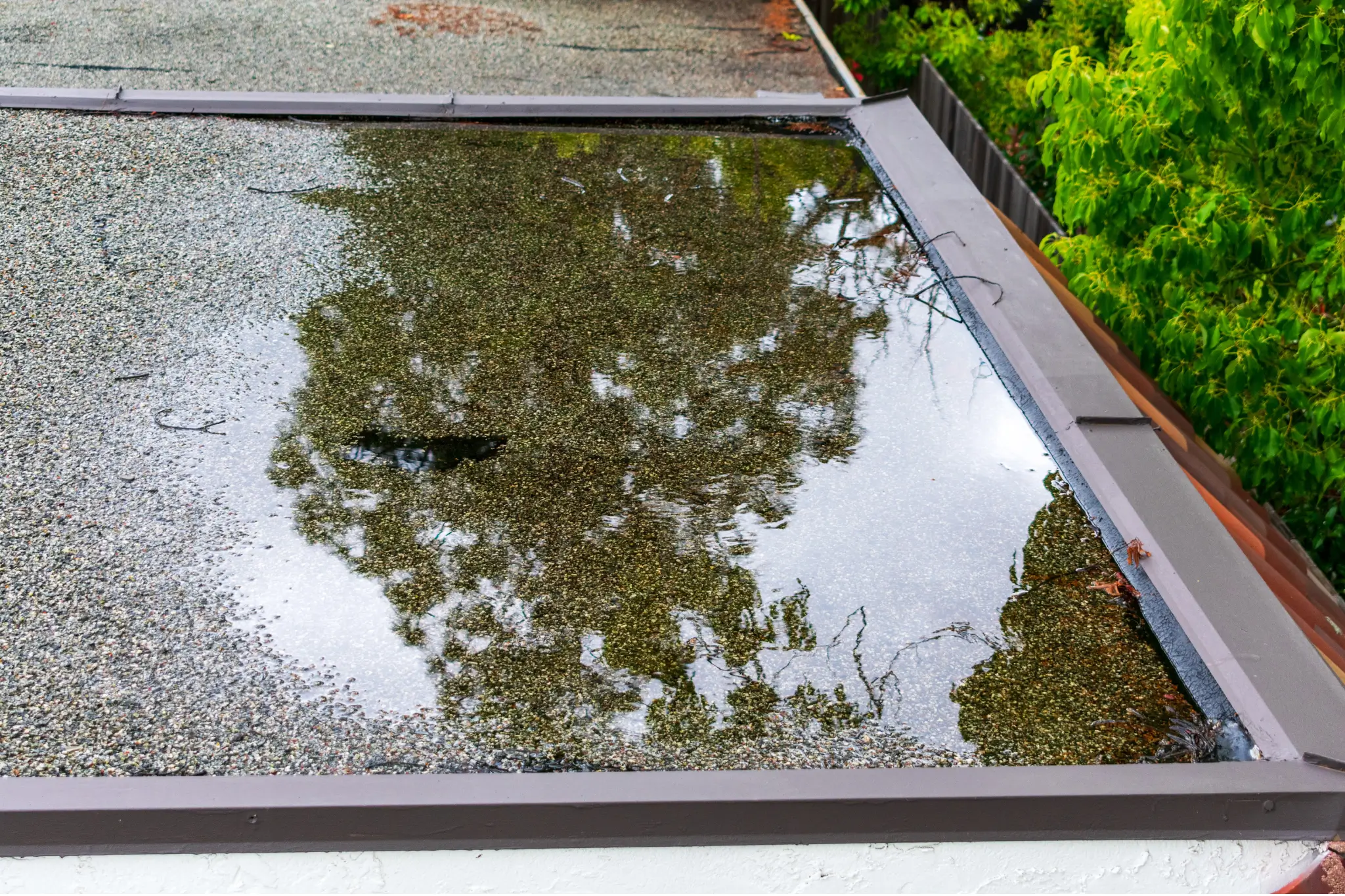
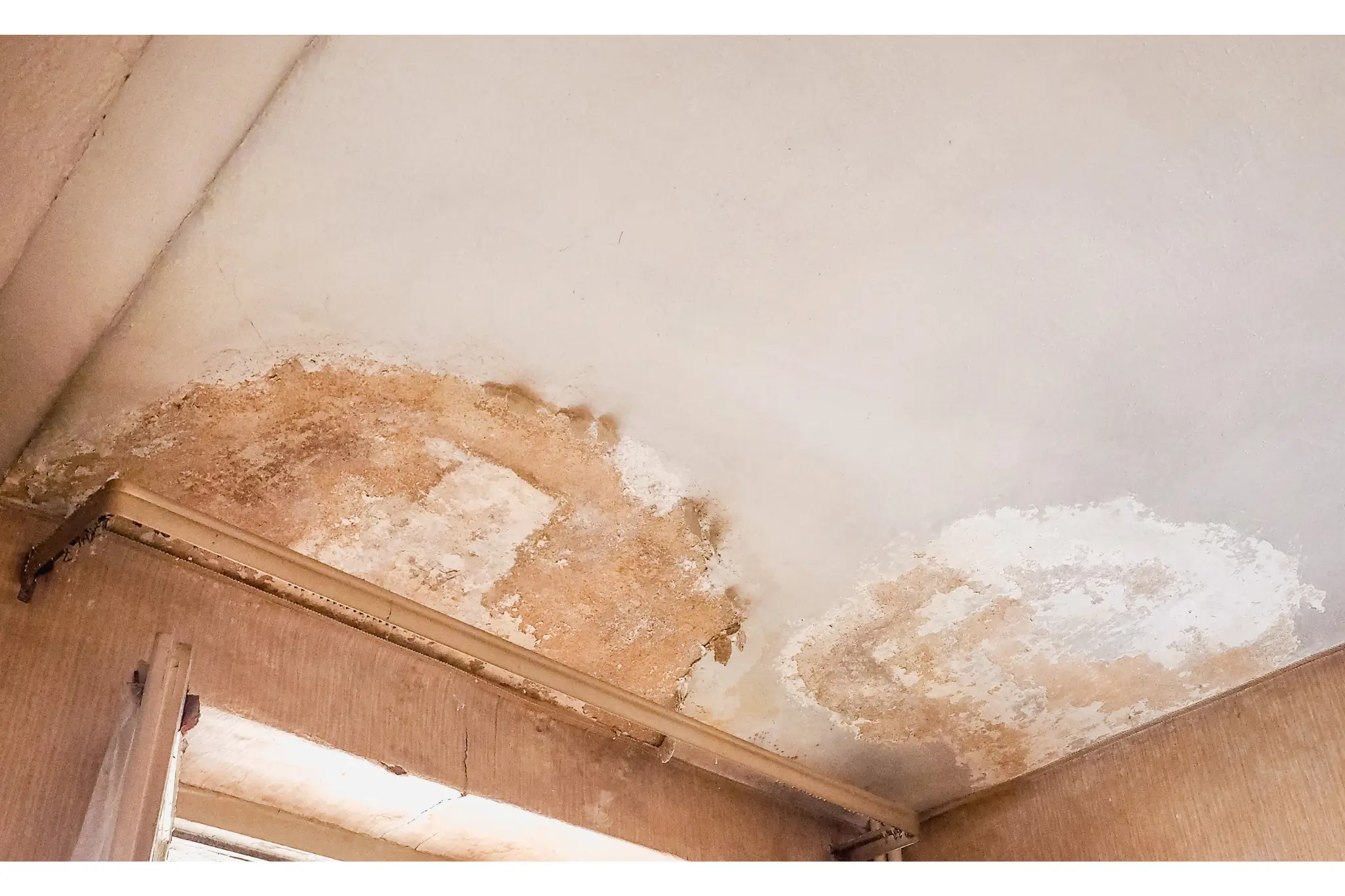
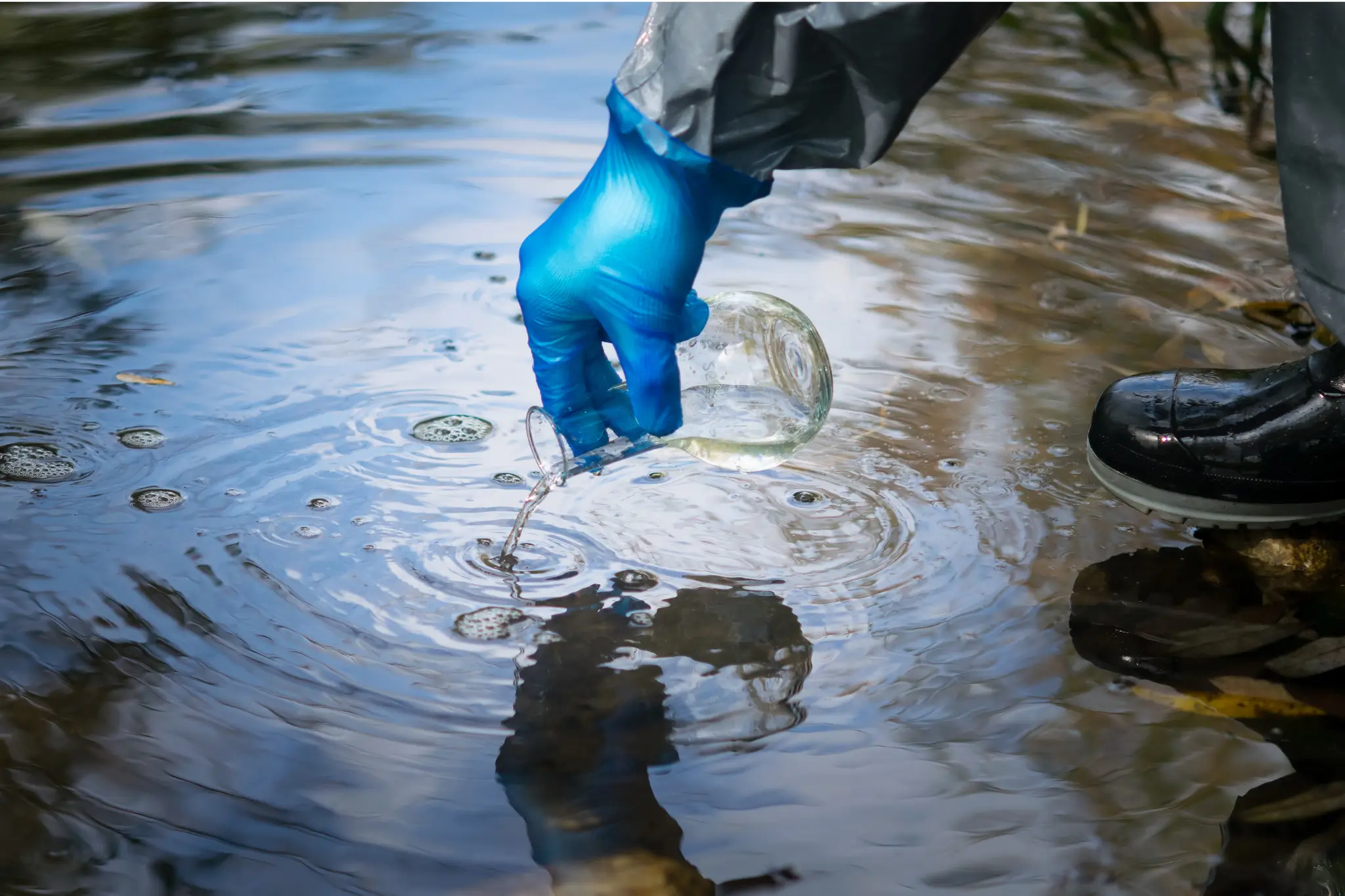
The water extraction process removes unwanted liquid water after a pipe breaks, an appliance leaks, or flooding reaches your home. But getting the puddles off the floor is only part of the job. Water can also collect beneath flooring, soak into carpet padding, and move behind baseboards.
That is why a room can look better before it is ready for repairs. A dry-looking floor does not tell you whether the materials underneath are still wet. A good plan follows the water, checks what it touched, and explains what happens next.
This guide breaks the water extraction process into seven steps. You will learn what professionals check, why different materials need different care, and which questions can help you make clear decisions during a stressful cleanup.
What Does the Water Extraction Process Include?
The water extraction process uses equipment to collect and remove accessible liquid water. Depending on the situation, that may involve pumps, professional extractors, hoses, and tools designed for wet flooring or carpet.
Extraction is different from drying. Extraction removes liquid water that equipment can collect. Drying addresses moisture that materials have absorbed. These jobs work together, but finishing one does not mean the other is complete.
Think of a soaked bath towel. Squeezing it removes a lot of water, yet the towel stays damp. Building materials behave differently from towels, but the example explains why removing visible water cannot prove a home is dry.
AS General Contracting offers water extraction services in San Diego. For homeowners, the useful question is how removal will connect to inspection, drying, and any repairs the property needs.
Step 1: Begin the Water Extraction Process With Safety
Before anyone brings in equipment, the affected space needs a safety check. Standing water can hide sharp debris, damaged flooring, and electrical hazards. A sagging ceiling or unstable floor also needs professional attention before anyone works nearby.
The water extraction process should never require a homeowner to enter water to reach an electrical panel. The CDC’s guidance for returning to a flooded home says to call an electrician if reaching the main power switch requires entering standing water.
Keep children and pets away from the area. Do not use an ordinary household vacuum to collect water. Electrical equipment should only operate after the area and power supply have been judged safe.
Your first useful task may be staying outside the wet area and explaining what happened. Tell the crew when you noticed the leak, which rooms were affected, and whether water reached outlets or electrical appliances.
Step 2: Stop the Source Before the Water Extraction Process Continues
Removing water while more keeps entering creates an ongoing problem. If a plumbing leak is responsible, shutting off the appropriate water supply may help, provided the valve is safely accessible. Stormwater entry may require a different temporary protection plan.
The water extraction process also needs a clear understanding of the source. Water from a broken supply pipe presents different concerns from a sewer backup or outdoor flooding. Water that looks clear is not proof that it is safe.
If the source is uncertain, explain that rather than guessing. AS General Contracting’s leak detection services can help investigate a suspected hidden leak. Finding the cause supports a repair plan that addresses why the damage happened.
For example, water beside a dishwasher could come from its supply connection, drain hose, or another nearby leak. Cleaning the floor alone would not answer which part needs repair.
Step 3: Map the Damage During the Water Extraction Process
The edge of a puddle is not always the edge of the damage. Water can reach adjoining rooms, move under cabinets, or travel through a ceiling into the space below. Inspection should consider connected areas.
During the water extraction process, moisture meters help check building materials. The readings need interpretation based on the material and instrument. One number should not become a universal pass-or-fail rule for every wall and floor.
A useful inspection creates a simple record of where moisture was found. Ask which rooms were checked, which surfaces were measured, and whether any spaces remain inaccessible. This makes later progress easier to understand.
Consider a hypothetical washing machine leak. The laundry floor may hold the visible water, while the hallway carpet and the wall beside it also become wet. Checking those connected areas changes the scope of cleanup before hidden moisture is overlooked.
Step 4: Remove Standing Water With the Water Extraction Process
Once conditions allow safe work, the crew removes accessible standing water. Equipment choices depend on water depth, access, affected materials, and contamination concerns. A deeply flooded space needs a different approach from a thin layer across a kitchen floor.
The water extraction process may begin with pumping and continue with extraction tools that collect remaining liquid. Corners, doorways, flooring edges, and low spots deserve attention because water can remain there after the center of a room looks clear.
Large amounts of water should not be treated as a bigger version of a small spill. Deep flooding, especially below ground, can involve structural concerns. A qualified professional should decide how removal can proceed safely.
Ask what areas the equipment can reach and what areas need further investigation. A hose removing water from one room does not show whether water beneath cabinets or inside another building layer has been addressed.
Step 5: Evaluate Wet Materials During the Water Extraction Process
After bulk water removal, the crew evaluates affected materials. Carpet, padding, drywall, insulation, wood, and cabinet panels do not respond to water in the same way. Their condition helps determine whether drying is practical.
The water extraction process does not guarantee that every wet item can stay. Contamination, swelling, broken layers, existing damage, and access for drying all influence the decision. A material may lose its usefulness even if its surface eventually dries.
When sewage is involved, removal must connect to a suitable contamination cleanup plan. AS General Contracting provides sewage cleanup services. Pumping away dirty water alone does not make the affected room ready for normal use.
Ask for a plain explanation before materials are removed. Which items are contaminated? Which are physically damaged? Which block access to wet spaces? Understanding the reason helps you evaluate the proposed work without assuming everything must go.
Step 6: Connect the Water Extraction Process to Structural Drying
Once accessible liquid is removed, remaining moisture needs a drying plan. Professional air movers help move air across appropriate surfaces. Dehumidifiers remove moisture from the air. Placement and operation should match the building and cleanup conditions.
This is where the water extraction process hands off to a longer stage of recovery. AS General Contracting’s structural drying services include moisture inspection, drying equipment, and progress monitoring.
The company’s service information explains that its team checks affected and surrounding areas, takes moisture readings, and adjusts equipment as conditions change. That approach gives homeowners something more useful than judging progress by touch alone.
Do not move or unplug drying equipment without checking with the crew. If noise or room access creates a problem, ask about adjustments. The drying plan should account for daily life while still addressing the wet materials.
Step 7: Check Progress After the Water Extraction Process
A clear floor marks progress, but repairs need a separate readiness check. Follow-up readings help show whether remaining materials have reached the project’s drying goals. Areas that remain wet may need a revised plan.
After the water extraction process, ask for an explanation of the results. Which materials were monitored? Did moisture decrease? Were new wet areas found? Are there damaged materials that still require replacement?
There is no single drying percentage that fits every building material. The contractor should explain the targets used for your property and what evidence supports moving to repairs.
Painting a wall or replacing flooring too early can cover a problem before it is resolved. The practical goal is to establish that the source is controlled, required cleanup is complete, and the remaining materials are ready for the next stage.
How Long Does the Water Extraction Process Take?
The water extraction process has no reliable one-size-fits-all timeline. A small, accessible leak may allow quick removal. Multiple rooms, deep water, contamination, or difficult access can make the work more involved.
Ask for separate estimates for liquid removal, drying, and repairs. “The water will be gone today” does not necessarily mean the room will be ready for new flooring today.
The EPA’s guide to mold and moisture recommends drying water-damaged areas and items within 24 to 48 hours to help prevent mold growth. That supports acting promptly; it is not a promise that every damaged structure will finish drying within that window.
If the damage started earlier than you first thought, tell the contractor. The time water has remained in contact with materials can affect the assessment and cleanup decisions.
What Affects the Cost of the Water Extraction Process?
The cost of the water extraction process depends on more than room size. Water depth, affected materials, contamination, access, equipment, and labor can change the scope. Hidden damage may also require work that was not obvious at first.
Request an estimate that explains what is included. Extraction, material removal, drying, monitoring, and rebuilding are different tasks. Knowing which ones appear in the estimate helps prevent confusion when comparing proposals.
Take photos from a safe location and keep records of the leak, communications, and work performed. Ask your insurer about claim requirements and coverage. A contractor’s estimate does not establish what your policy will pay.
Get Help Planning the Water Extraction Process
A useful water extraction process answers three questions: Where did the water go? What condition are the affected materials in? What evidence will show that the property is ready for repairs? Those answers give the equipment and cleanup work a clear purpose.
If your San Diego property has standing water, contact AS General Contracting through its professional water extraction service page to discuss an assessment. Explain the source if known, when the problem began, and any safety concerns. That information helps the team understand what your property may need.