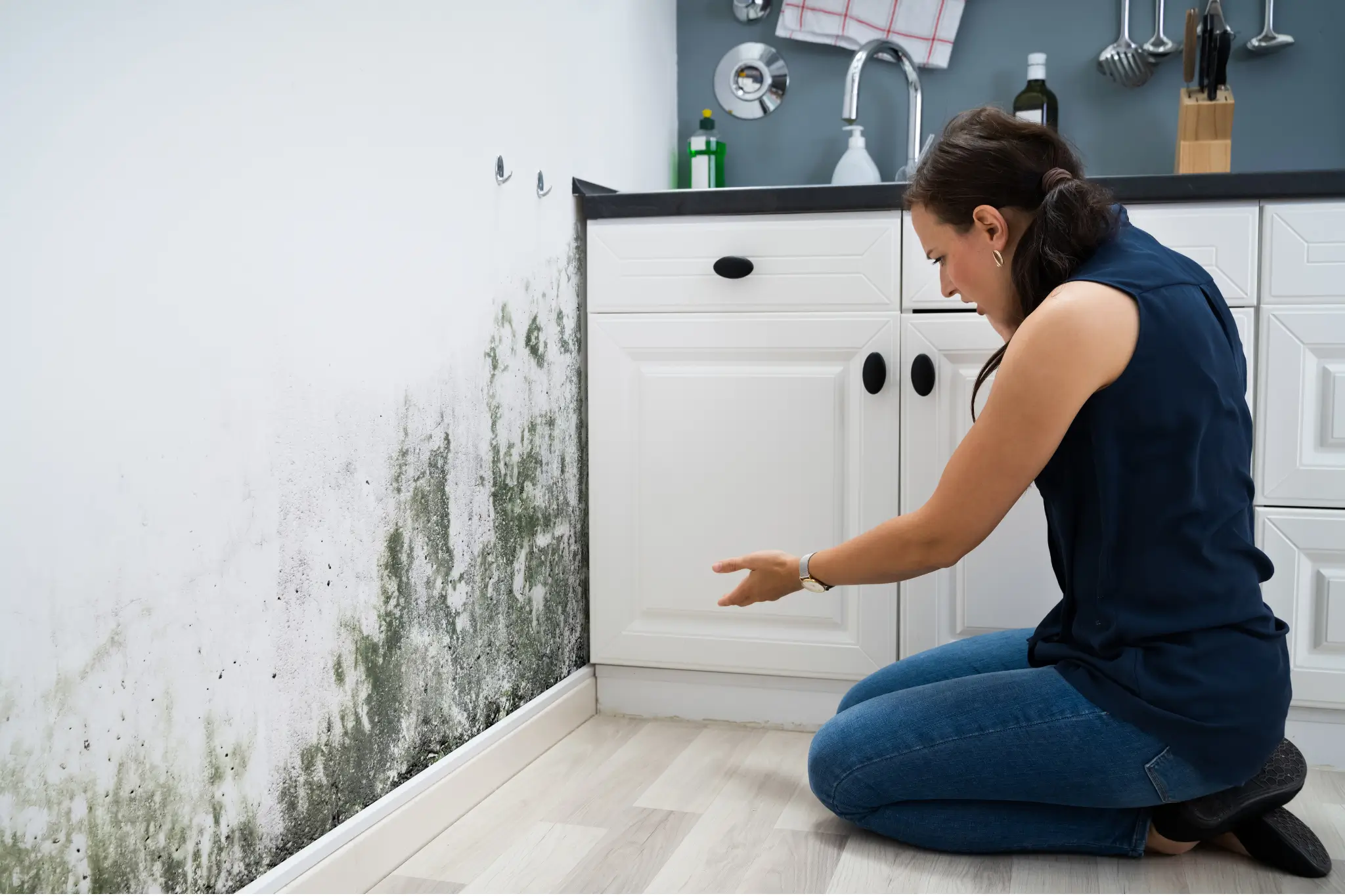
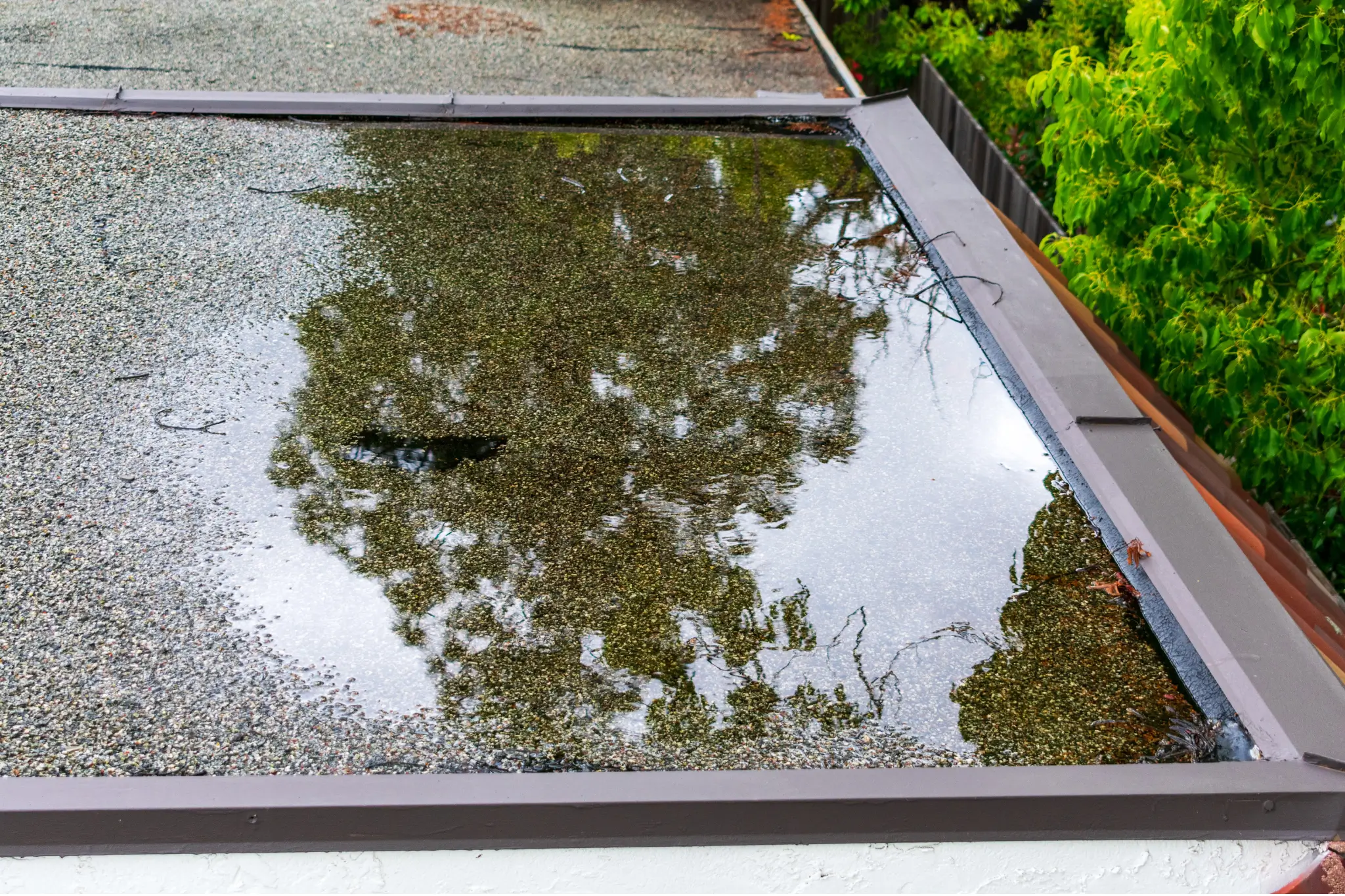
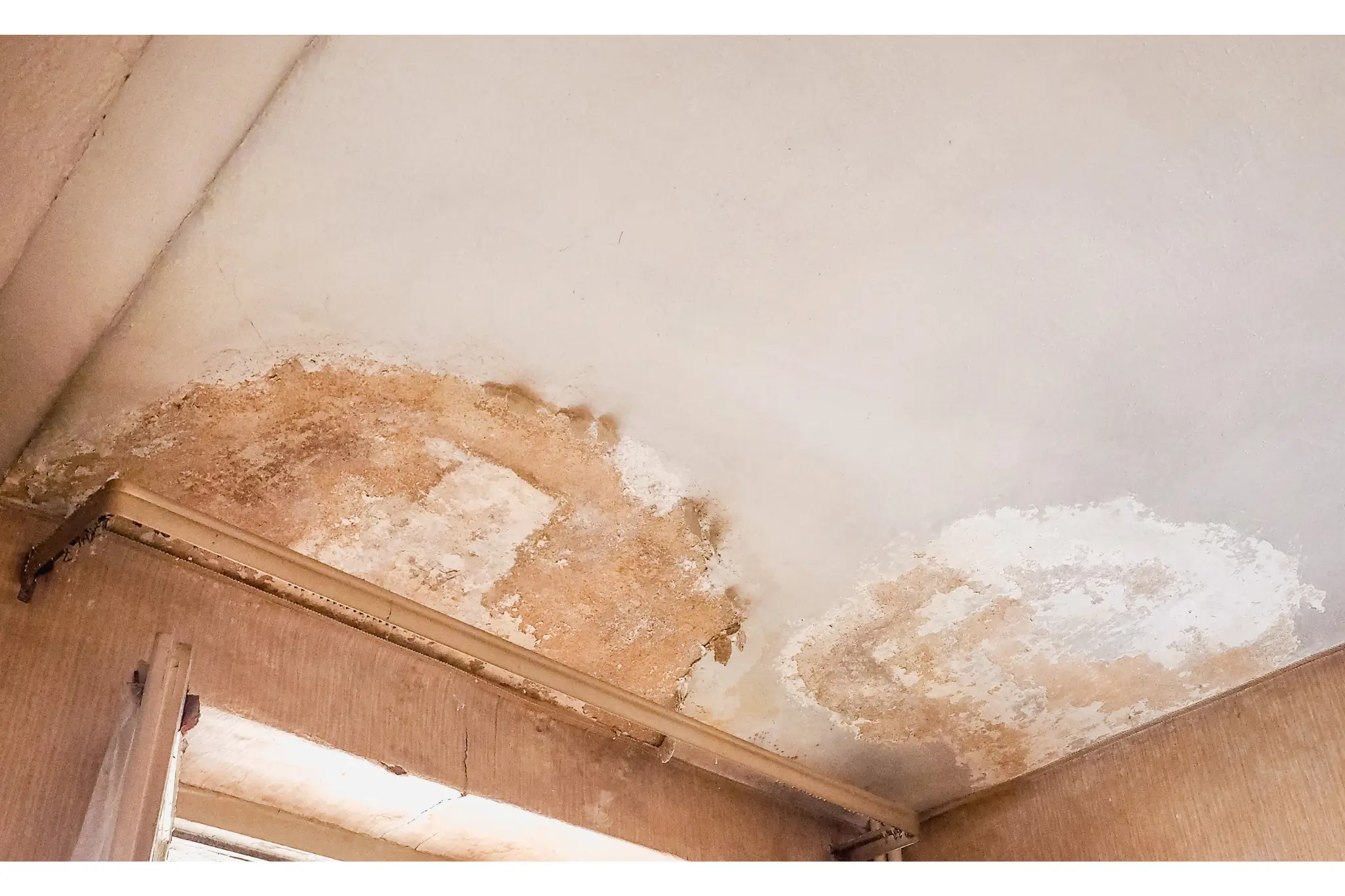
Finding mold on your home’s siding can be scary. Mold looks ugly and can hurt your family’s health. The good news is that learning how to remove mold from siding doesn’t have to be complicated. This guide shows you 7 safe steps to clean mold off your siding and explains when you need professional help.
Mold grows fast on exterior surfaces when moisture sticks around. Your home’s siding faces rain, humidity, and sprinkler water every day. When these wet conditions mix with dirt and shade, mold finds the perfect place to grow. Understanding how to remove mold from siding properly protects your family and saves your home’s value.
Why Mold Grows on House Siding
Mold needs three things to survive: moisture, food, and the right temperature. Your home’s siding provides all three. Moisture comes from rain, sprinklers, and humid air. The food source is dirt, pollen, and organic matter that sticks to siding. Most outdoor temperatures work great for mold growth.
Several factors make mold more likely to grow on your siding. Poor drainage around your home keeps moisture near the walls. Trees and bushes that touch your siding block airflow and create shade. Hidden water leaks behind siding give mold constant moisture to feed on. North-facing walls get less sun, so they stay damp longer after rain.
When you ignore mold on siding, it can spread to other areas. The CDC warns that mold can cause health problems like allergic reactions and breathing issues. Some types of mold produce toxins that are especially dangerous for children, elderly people, and anyone with asthma or weak immune systems.
7 Safe Steps on How to Remove Mold from Siding
Before you start cleaning, you need to decide if this is a job you can handle yourself. The EPA recommends that homeowners only tackle mold areas smaller than 10 square feet. If your mold problem covers more space, you should call professionals who know how to remove mold from siding safely.
Step 1: Gather Your Safety Equipment
Safety comes first when learning how to remove mold from siding. Mold spores can make you sick if you breathe them in. The OSHA guidelines require specific protective gear for mold cleanup work.
You need an N95 respirator mask to protect your lungs. Regular dust masks won’t work because mold spores are too small. Wear rubber gloves that reach your elbows to protect your skin. Safety goggles keep mold spores out of your eyes. Long sleeves and pants protect the rest of your body from contact with mold.
Don’t forget about the people around you. Keep family members and pets away from the cleaning area. Mold spores spread through the air during cleaning, so you want to limit who gets exposed. Open doors and windows in the area to improve air circulation while you work.
Step 2: Inspect the Damage
Take photos of the moldy areas before you start cleaning. These pictures help if you need to file an insurance claim later. Look for signs that mold has grown behind your siding. Water stains, soft spots, or black mold patches might mean the problem goes deeper than the surface.
Check the area around the mold growth. Look for the source of moisture that caused the problem. You might find clogged gutters, damaged caulking, or sprinkler heads pointed at your siding. Finding and fixing the moisture source is just as important as cleaning the mold.
Step 3: Choose Your Cleaning Solution
Many people think bleach is the best way to kill mold, but experts disagree. The EPA explains that bleach only works on hard, non-porous surfaces. On porous materials like wood siding, bleach can’t reach deep enough to kill mold roots. Worse, bleach can damage your siding and harm nearby plants.
Better options for how to remove mold from siding include white vinegar mixed with water. Use three parts vinegar to seven parts water. This mixture kills most types of mold without damaging your siding or landscaping. You can also use dish soap mixed with warm water for light mold growth.
For stubborn mold, commercial mold cleaners work well. Look for products that are safe for your siding material. Always test any cleaning solution on a small, hidden area first to make sure it won’t cause damage or discoloration.
Step 4: Protect Your Landscaping
Before you spray any cleaning solution, cover plants and grass near your work area. Use plastic tarps or old sheets to protect landscaping from cleaning chemicals. Even gentle cleaners can harm sensitive plants if they get soaked with the solution.
Move outdoor furniture, grills, and decorations away from the cleaning area. The cleaning process can be messy, and you don’t want to damage your belongings. Turn off any electrical outlets near the cleaning area and cover them with plastic if needed.
Step 5: Apply the Cleaning Solution
Start from the bottom of the moldy area and work your way up. This prevents dirty water from running down onto areas you’ve already cleaned. Use a spray bottle or soft brush to apply your cleaning solution. Let the solution sit for 10 to 15 minutes to break down the mold.
Don’t spray at an angle that could force water behind your siding. Point your sprayer straight at the siding surface. Water that gets behind siding can cause bigger problems, including water damage and more mold growth.
Step 6: Scrub Gently and Rinse
Use a soft-bristled brush to gently scrub the mold away. Don’t use pressure washers or hard scrubbing that could damage your siding. Work in small sections, keeping the surface wet with cleaning solution as you scrub.
Rinse each section thoroughly with clean water from your garden hose. Start at the top and rinse downward so dirty water doesn’t streak onto clean areas. Make sure you remove all traces of cleaning solution and dead mold from the surface.
Step 7: Dry and Inspect Your Work
Allow the cleaned siding to dry completely. Good airflow speeds up drying and prevents new mold growth. Trim back bushes and plants that block air circulation around your siding. Remove any debris from gutters and downspouts to improve drainage.
Inspect your work after the siding dries. Look for any mold spots you missed. Check for signs that the cleaning damaged your siding. If you see persistent mold stains or damage, you might need professional help to finish the job properly.
When DIY Mold Removal Isn’t Enough
Sometimes knowing how to remove mold from siding isn’t enough to solve the problem. Several situations require professional mold remediation services. If mold covers more than 10 square feet, the job is too big for DIY methods. Large mold problems need professional equipment and expertise.
Call professionals if you suspect black mold or other toxic varieties. These dangerous molds can cause serious health problems if handled incorrectly. Professional mold experts have the training and equipment to deal with toxic mold safely.
If mold keeps coming back after cleaning, you have a deeper moisture problem. The issue might be behind your siding where you can’t reach it. Professional contractors can remove siding panels to inspect and treat hidden mold growth. They can also fix the underlying moisture problems that cause mold to return.
Insurance Coverage for Siding Mold Problems
Many homeowners wonder if insurance covers mold removal from siding. The answer depends on what caused the mold problem. Insurance typically covers mold that results from sudden, accidental events like burst pipes or storm damage. However, insurance usually doesn’t cover mold from gradual problems like poor maintenance or ongoing leaks.
Document everything when you find mold on your siding. Take photos of the damage and the moisture source. Keep receipts for any cleaning supplies or temporary repairs. This documentation helps support your insurance claim if the damage qualifies for coverage.
A/S General Contracting has 15+ years of experience working with insurance companies on mold claims. Our team provides detailed documentation and works directly with insurance adjusters to get you the coverage you deserve. We understand the complex requirements for mold insurance claims and know how to present your case effectively.
Why Professional Mold Remediation Makes Sense
Professional mold removal offers several advantages over DIY methods. Certified technicians know how to remove mold from siding without spreading spores to other areas. They use commercial-grade equipment like HEPA filters and negative air machines to contain mold during removal.
Professionals can also identify and fix the root causes of mold growth. They might discover problems like damaged vapor barriers, clogged weep holes, or inadequate ventilation. Fixing these underlying issues prevents mold from coming back after cleaning.
A/S General Contracting provides comprehensive mold remediation services throughout San Diego County. Our IICRC-certified technicians follow EPA guidelines for safe mold removal. We don’t just clean the surface – we identify and eliminate the conditions that allowed mold to grow.
Preventing Future Mold Growth on Siding
Prevention is always better than cleanup when it comes to mold on siding. Regular maintenance helps you spot problems before they become expensive disasters. Clean your siding twice a year with a garden hose and soft brush. This removes dirt and organic matter that feeds mold growth.
Maintain proper drainage around your home’s foundation. Grade your landscaping so water flows away from the house. Clean gutters and downspouts regularly to prevent overflow onto siding. Fix any leaks in irrigation systems that spray water onto your exterior walls.
Trim vegetation away from your siding to improve airflow. Plants that touch your siding trap moisture and create shade where mold thrives. Leave at least 18 inches of space between bushes and your exterior walls. This simple step dramatically reduces mold growth potential.
The Health Risks of Ignoring Siding Mold
Mold on siding doesn’t just look bad – it can make your family sick. Mold spores float through the air and can enter your home through windows, doors, and ventilation systems. People with allergies, asthma, or weak immune systems are especially vulnerable to mold-related health problems.
Common symptoms of mold exposure include runny nose, itchy eyes, coughing, and skin irritation. Long-term exposure to certain types of mold can cause more serious problems. Some molds produce mycotoxins that can damage the nervous system and immune system with extended exposure.
Children and elderly family members face higher risks from mold exposure. Their immune systems can’t fight off mold-related infections as effectively. If anyone in your family has breathing problems or gets sick frequently, mold on your siding might be contributing to their health issues.
Professional Mold Inspection Services
Sometimes you can smell mold before you can see it. A musty odor around your home’s exterior might indicate hidden mold growth. Professional mold inspections can find problems you might miss during visual inspections.
Certified mold inspectors use specialized equipment to detect moisture and mold in hard-to-reach places. They can test air quality to determine if mold spores are present at dangerous levels. These inspections help you understand the full scope of your mold problem before you start remediation.
A/S General Contracting offers free mold inspections for San Diego County homeowners. Our certified inspectors evaluate your entire property, not just the obvious problem areas. We provide detailed reports that help you make informed decisions about mold remediation.
Emergency Mold Response
Some situations require immediate action to prevent mold damage from spreading. After severe storms or burst pipe incidents, mold can start growing within 24 to 48 hours. Quick response prevents small problems from becoming major restoration projects.
If you discover extensive mold growth on your siding, don’t wait to get professional help. Cover the affected area with plastic sheeting to prevent spores from spreading. Avoid disturbing the mold until professionals can contain it properly.
A/S General Contracting provides 24/7 emergency mold response services. Our rapid response team can be at your property within hours to assess the situation and begin containment procedures. Early intervention saves money and protects your family’s health.
Take Action Against Siding Mold Today
Knowing how to remove mold from siding safely protects your home and family. Small mold problems can often be handled with the right safety equipment and cleaning techniques. However, large infestations, toxic mold varieties, and recurring problems require professional expertise.
Don’t let mold damage compromise your home’s value or your family’s health. A/S General Contracting has helped San Diego County homeowners deal with mold problems for over 15 years. Our certified technicians provide safe, effective mold remediation that eliminates current problems and prevents future growth.
We work with all major insurance companies and provide detailed documentation for your claims. Our insurance claim support team guides you through the entire process, from initial assessment to final repairs.
Contact A/S General Contracting today for your free mold inspection and learn how our professional team can restore your siding to like-new condition. Don’t wait until a small mold problem becomes a major health hazard and expensive repair. Get your free consultation and take the first step toward a mold-free home.