What Is a Free Mold Inspection in San Diego?
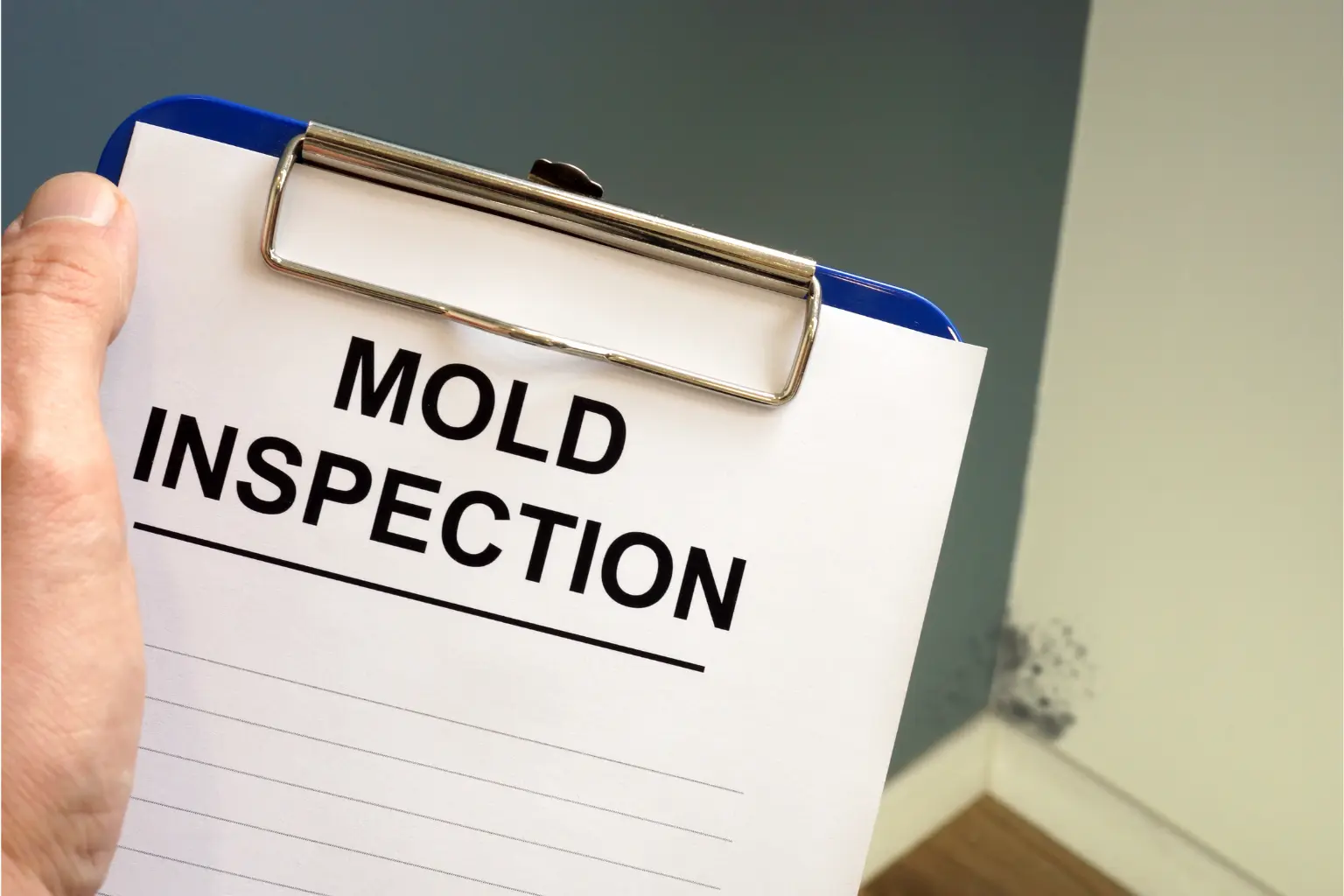
A free mold inspection is a starting point for San Diego property owners who notice a musty odor, discoloration, visible growth, or moisture damage but are unsure what is causing it. These warning signs can appear after a plumbing leak, roof leak, ongoing humidity, or water damage that did not dry completely. A visual inspection helps focus on the area of concern and identify visible signs of excess moisture, possible mold growth, or damaged building materials.
Mold is not always easy to see, so you do not need to find visible growth before requesting an inspection. A mold inspection can help clarify what may be happening and whether the area needs repairs, further testing, or professional mold remediation.
How Do I Know If I Need a Mold Inspection?
You may need a mold inspection if you notice unusual odors, moisture, or changes to walls, ceilings, floors, or other building materials. Some problems are easy to see, while others can begin behind drywall, under flooring, inside cabinets, or near an area affected by a leak.
The signs below do not always mean mold is present, but they can indicate that moisture is affecting the property and should be inspected.
A Musty Odor That Keeps Returning
A musty or damp smell may point to hidden moisture, especially near bathrooms, closets, cabinets, attics, or areas affected by a leak. If the odor returns after cleaning or airing out the space, an inspection can help identify the source.
Discoloration or Visible Growth
Dark spots, unusual patches, or changes in color may appear on walls, ceilings, cabinets, baseboards, or around windows. Because visible growth can vary in color and texture, an inspection can help evaluate the material and surrounding moisture conditions.
Water Damage That Did Not Dry Completely
Mold concerns can begin after a plumbing leak, roof leak, flooding, or appliance overflow. Even when the surface looks dry, moisture may remain inside drywall, insulation, or flooring and may require a closer inspection.
Peeling Paint, Soft Drywall, or Warped Materials
Peeling paint, bubbling walls, soft drywall, swollen cabinets, or warped flooring can indicate ongoing moisture. These changes do not confirm mold, but they can show that the area should be inspected before the damage becomes worse.
Growth or Staining That Returns After Cleaning
A stain or patch that comes back after cleaning may be connected to a leak, trapped moisture, or damaged material underneath. An inspection can help determine why the problem keeps returning and what may need to be addressed.
What Is Included in a Free Mold Inspection?
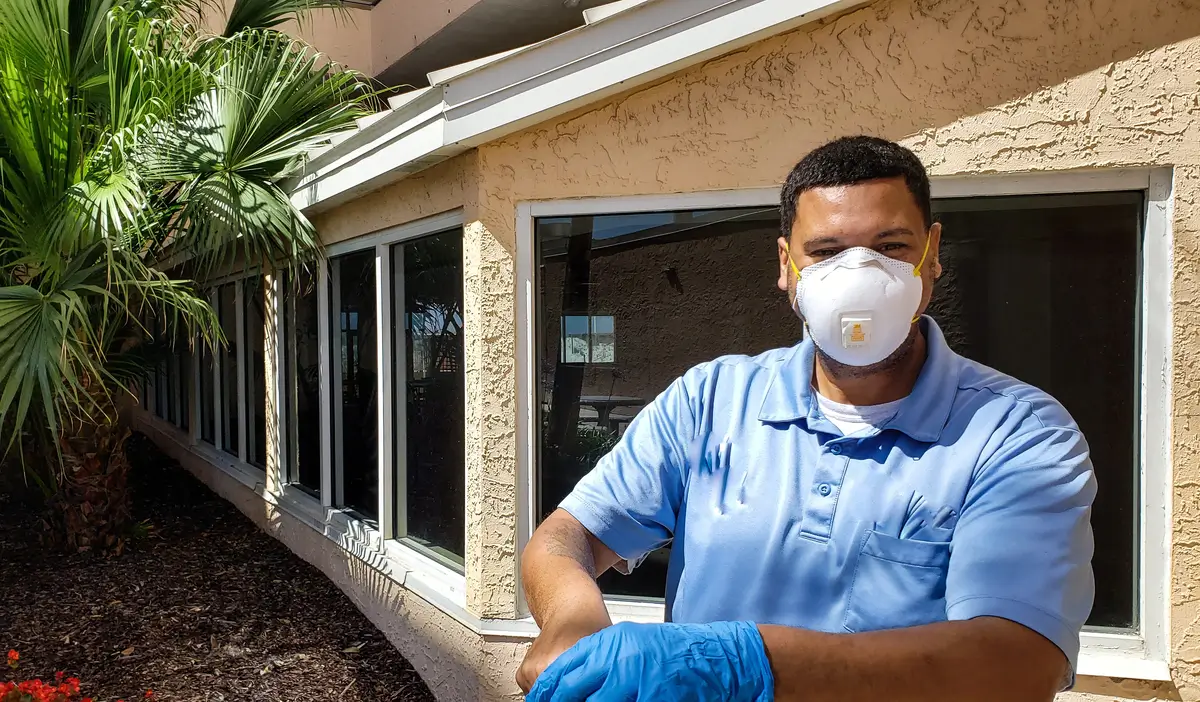
A free mold inspection focuses on the area where you noticed an odor, staining, visible growth, or moisture damage. Our team reviews accessible materials and surrounding conditions to help determine whether there is a visible mold concern, an active moisture problem, or damage that may need further attention.
The inspection is meant to give you a clearer starting point. It does not automatically include air sampling, surface samples, or laboratory analysis, which are separate from a visual inspection.
Review of the Area Causing Concern
We begin with the room or material where you first noticed the problem. This may include a wall, ceiling, cabinet, floor, bathroom, attic, or another area affected by moisture.
We Look for Visible Mold and Material Damage
We check accessible walls, ceilings, cabinets, flooring, baseboards, and other materials for visible growth, staining, peeling, swelling, or deterioration that may be connected to moisture.
We Check for Hidden Moisture
Moisture meters and thermal imaging equipment can help identify damp materials or unusual temperature patterns that are not always visible from the surface. These tools do not confirm mold, but they can help locate areas that may require further inspection.
We Identify the Source of the Moisture
Finding visible mold or damaged materials is only part of the inspection. We also check for conditions that may be causing the problem, such as plumbing leaks, roof leaks, condensation, poor ventilation, or water that did not dry completely.
Detailed Inspection Report With Images and Next Step Guidance
You receive a written report with images of the areas inspected, the conditions found, and our recommended next steps. The report can also provide useful documentation for an insurance company, property manager, tenant, buyer, or seller.
Mold Inspection vs. Mold Testing: What Is the Difference?
A mold inspection and mold testing serve different purposes. A mold inspection looks for visible growth, moisture, damaged materials, and conditions that may be causing the problem. Mold testing collects air or surface samples that are sent to a laboratory for analysis.
Not every property needs testing. In many cases, the inspection findings provide enough information to recommend moisture repairs, further evaluation, or professional mold remediation.
What a Mold Inspection Looks For
A mold inspection reviews accessible areas for visible growth, water damage, elevated moisture, and damaged building materials. Moisture meters and thermal imaging may also help identify damp areas that are not easy to see.
What Mold Testing Can Identify
Mold testing uses air or surface samples to provide laboratory information about the material collected. Depending on the type of test, the results may help identify the types of mold present and the amount detected in the sample.
When Mold Testing May Be Needed
Testing may be recommended when mold is suspected but cannot be seen, when independent documentation is required, or when the inspection alone cannot fully explain the concern. The decision should be based on the property conditions and the reason testing is being requested.
Is Mold Testing Included in the Free Inspection?
The free mold inspection includes the visual evaluation, moisture review, detailed images, and inspection report. Air sampling, surface sampling, and laboratory analysis are separate from the free inspection and may involve an additional cost.
How Much Does a Mold Inspection Cost in San Diego?
Mold inspection costs in San Diego can vary depending on the size of the property, the number of areas being reviewed, and whether air or surface testing is needed. A/S General provides the initial visual mold inspection, moisture evaluation, detailed images, and inspection report at no cost.
Additional charges may apply when laboratory testing or services outside the free inspection are requested. Factors that can affect the total cost include:
- The size and layout of the property
- The number of areas showing moisture or possible mold
- Whether air or surface samples are collected
- The number of samples sent to a laboratory
- Whether independent testing or additional documentation is needed
How Much Does Mold Testing Cost?
Mold testing is separate from the free inspection because samples must be collected and analyzed by a laboratory. The cost depends on the type and number of samples needed. Before testing is completed, the recommended scope and any related costs should be explained clearly.
What Happens After a Mold Inspection?
After the inspection, you receive a detailed report with images, findings, and guidance on the next steps for the property. The recommended action depends on the moisture levels, visible damage, affected materials, and whether additional testing is needed.
Possible next steps may include:
- Repairing a plumbing leak, roof leak, or other moisture source
- Drying or removing damaged building materials
- Completing separate air or surface testing
- Opening a limited area for further evaluation
- Moving forward with professional mold remediation
- Monitoring the area when no immediate work is required
An inspection does not automatically mean mold remediation is needed. The goal is to give you clear documentation and a practical plan based on the conditions found.
When Is Professional Mold Remediation Needed?
Not every mold concern requires professional remediation. However, professional help may be needed when the affected area continues to return, moisture has reached porous materials, or the problem extends beyond a small surface that can be cleaned safely.
Property owners choose A/S General because we provide:
Growth returns after repeated cleaning
Drywall, insulation, flooring, or cabinets are affected
Moisture has spread beyond the visible area
Damaged materials need to be removed
Containment is needed to prevent particles from spreading
The inspection shows a larger moisture or mold problem
The inspection findings help determine whether the area needs moisture repairs, limited material removal, additional testing, or a complete mold remediation plan. This keeps the recommendation based on the actual condition of the property rather than assuming every mold concern requires the same service.
Why San Diego Property Owners Choose A/S General
A mold inspection should give you more than a quick visual opinion. Our team combines visible inspection, moisture detection, thermal imaging, detailed photos, and a written report so you have clear information about the condition of the property.
Property owners choose A/S General because we provide:
Free visual mold inspections in San Diego
Moisture readings and thermal imaging when appropriate
Detailed inspection reports with images
Clear guidance on repairs, testing, or remediation
Experience with mold, water damage, and damaged building materials
Support for homes, rental properties, and commercial buildings
We explain what was found, what may be causing the problem, and what steps make sense for the property. The goal is to help you make an informed decision without treating every mold concern as the same situation.
Request a Free Mold Inspection in San Diego
If you notice a musty odor, visible growth, recurring stains, or signs of moisture damage, you do not have to wait for the problem to become worse. A free mold inspection can help you understand what is affecting the property and what steps may be needed next.
Contact our A/S General team to request a free mold inspection in San Diego. Our team will review the area of concern, document the findings, and provide clear guidance based on the condition of the property.