Does black mold have a smell? This is one of the most important questions homeowners ask when they notice something doesn’t smell right in their home. The answer is yes – black mold definitely has a very distinct smell that you can’t ignore. Understanding what this smell is like could save your family’s health and your home from serious damage.
Black mold creates a strong, musty odor that many people compare to wet socks, rotting wood, or a damp basement that never gets cleaned. This smell comes from special chemicals called microbial volatile organic compounds that mold releases as it grows and spreads. When you ask “does black mold have a smell,” the answer is always a clear yes – and it’s usually one of the first warning signs that black mold is growing in your home.
What Does Black Mold Smell Like?
When people wonder “does black mold have a smell,” they’re usually trying to figure out if that weird odor in their home is actually dangerous black mold. Black mold has a very specific smell that’s hard to mistake for anything else once you know what to look for.
The smell of black mold is musty and earthy, like old wet cardboard or rotting vegetables. Some people say it smells like dirty gym socks that have been left wet for too long. Others compare it to the smell of a basement that floods regularly or wood that’s been soaked with water and never dried properly.
This distinctive odor comes from something called microbial volatile organic compounds (mVOCs). These are gases that black mold releases as it eats away at materials in your home. According to the Centers for Disease Control and Prevention, if you can smell mold in your home, there’s definitely mold growing somewhere – even if you can’t see it yet.
Why Does Black Mold Have a Smell?
Understanding why does black mold have a smell helps explain why this odor is such an important warning sign. Black mold (scientifically called Stachybotrys chartarum) produces these smelly chemicals as part of its natural growing process.
As black mold feeds on materials in your home like drywall, wood, or carpet, it breaks them down and releases waste products. These waste products are the mVOCs that create that terrible musty smell. Think of it like how your body creates waste when you eat food – black mold does the same thing, but its “waste” creates a strong odor that fills the air.
The Environmental Protection Agency explains that these compounds can travel through the air easily, which is why you might smell black mold even when you can’t see it growing. The smell often gets stronger when the air is humid or when the area gets disturbed by moving furniture or opening closets.
At A/S General Contracting, we’ve helped hundreds of San Diego families deal with mold problems over our 15 years in business. We always tell our customers that if they’re asking “does black mold have a smell,” they should trust their nose. That musty odor is usually the first sign that professional mold remediation might be needed.
How Strong Is the Black Mold Smell?
The strength of black mold smell depends on how much mold is growing and where it’s located. Small amounts of black mold might create a faint musty odor that you only notice occasionally. But as the mold grows and spreads, the smell gets much stronger and more noticeable.
Does black mold have a smell that’s always the same strength? Not really. The smell can change based on things like:
• How much moisture is in the air
• What materials the mold is growing on
• How long the mold has been growing
• Whether the area gets good air circulation
Some people notice the black mold smell gets stronger at certain times of day, especially when humidity levels rise. Others find that the smell is strongest when they first enter a room that’s been closed up for a while.
Where You’re Most Likely to Smell Black Mold
When homeowners ask “does black mold have a smell in every room,” the answer is that black mold tends to grow in specific areas where moisture collects. Here in San Diego, we see black mold most often in these locations:
Bathrooms: Showers, bathtubs, and areas around toilets where water splashes regularly create perfect conditions for black mold growth. Poor ventilation makes the problem worse.
Basements and Crawl Spaces: These areas often have higher humidity and less air circulation. Water leaks or flooding can create ideal conditions for black mold to thrive.
Around Windows: Condensation from temperature differences can create moisture that leads to black mold growth on window sills and surrounding walls.
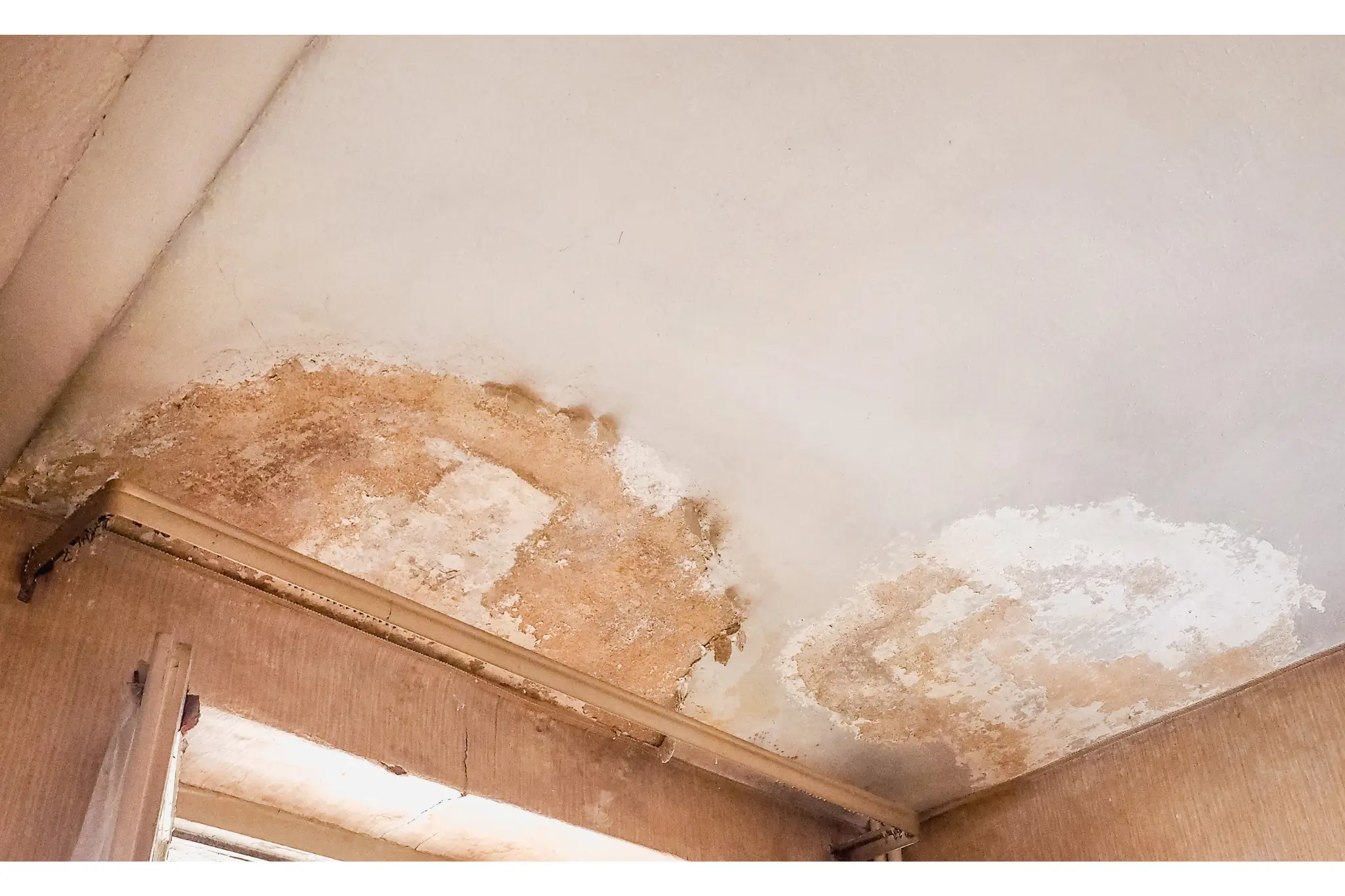
Near Water Damage: Any area that has experienced water damage from leaks, floods, or burst pipes can develop black mold if not dried properly within 24-48 hours.
HVAC Systems: Ductwork and air conditioning units can spread black mold spores and odors throughout your entire home if mold starts growing in the system.
Signs Beyond the Smell
While the question “does black mold have a smell” is important, you should also watch for other warning signs. Black mold often appears as dark spots or patches that look slimy when wet. It can also cause health symptoms like coughing, sneezing, or respiratory irritation.
The Institute of Inspection, Cleaning and Restoration Certification recommends having any suspected mold growth inspected by professionals. At A/S General Contracting, we offer free mold inspections to help San Diego homeowners identify problems early.
Health Risks When Black Mold Has a Smell
If you’re wondering “does black mold have a smell that’s dangerous,” the answer is that the smell itself isn’t necessarily harmful, but it indicates that dangerous black mold is present. The real health risks come from breathing in the mold spores and toxins that black mold produces.
According to the Cleveland Clinic, exposure to black mold can cause:
• Respiratory problems like coughing and wheezing
• Allergic reactions including runny nose and itchy eyes
• Skin rashes and irritation
• Headaches and fatigue
• Worsening of asthma symptoms
Children, elderly people, and those with compromised immune systems are especially at risk. If anyone in your family is experiencing these symptoms and you’re asking “does black mold have a smell in our home,” it’s time to take action quickly.
When to Seek Professional Help
You should call professionals immediately if you notice a strong musty odor along with any of these situations:
• Recent water damage or flooding
• Visible dark spots or patches on walls or ceilings
• Family members experiencing unexplained respiratory symptoms
• The smell getting stronger despite cleaning efforts
• Multiple areas of your home have the musty odor
Many homeowners wonder if they can handle black mold themselves, but the answer is usually no. Professional mold remediation companies have the proper equipment and training to safely remove black mold without spreading spores throughout your home.
What NOT to Do If Black Mold Has a Smell
When you discover that black mold has a smell in your home, avoid these common mistakes that can make the problem worse:
Don’t ignore it: Hoping the smell will go away on its own is dangerous. Black mold will continue growing and spreading until the moisture problem is fixed and the mold is properly removed.
Don’t just cover up the smell: Air fresheners and candles might mask the odor temporarily, but they won’t solve the underlying mold problem. The health risks remain even if you can’t smell the mold.
Don’t try DIY removal for large areas: If black mold has a smell throughout multiple rooms or covers more than 10 square feet, you need professional help. Disturbing large mold colonies can release dangerous spores into the air.
Don’t use bleach: Many people think bleach kills mold, but it often just lightens the color without killing the roots. Plus, bleach can be dangerous when mixed with mold-cleaning products.
Prevention: Stopping Black Mold Before It Has a Smell
The best way to avoid asking “does black mold have a smell in my home” is to prevent mold growth in the first place. Here are practical steps every San Diego homeowner can take:
Control moisture levels: Keep indoor humidity below 50% using dehumidifiers and proper ventilation. This is especially important in naturally humid areas like bathrooms and basements.
Fix leaks immediately: Any water leak should be repaired as soon as you discover it. Even small leaks can create enough moisture for black mold to start growing.
Improve ventilation: Use exhaust fans in bathrooms and kitchens. Open windows when weather permits to increase air circulation throughout your home.
Clean and dry wet areas quickly: If any area gets wet from spills, leaks, or flooding, dry it completely within 24-48 hours. This prevents mold spores from having time to establish themselves.
Regular maintenance: Check areas prone to moisture regularly, including around windows, in basements, and near plumbing fixtures.
San Diego-Specific Prevention Tips
Living in San Diego’s climate creates unique challenges for mold prevention. Our coastal location means higher humidity during certain seasons, and many homes have older construction that may be more vulnerable to moisture problems.
We recommend San Diego homeowners pay special attention to:
• Ocean-facing windows where salt air can increase moisture
• Older homes with less effective moisture barriers
• Areas affected by Santa Ana winds that can shift moisture patterns
• Homes near canyons or valleys where fog often settles
Professional Black Mold Testing and Removal
When homeowners call us asking “does black mold have a smell that means I need professional help,” our answer is always that it’s better to be safe than sorry. Professional mold testing can identify exactly what type of mold is growing and how extensive the problem has become.
At A/S General Contracting, our IICRC-certified technicians use advanced equipment to:
• Test air quality to measure mold spore levels
• Identify the specific type of mold growing
• Locate hidden mold growth behind walls or in ductwork
• Create a comprehensive remediation plan
Professional mold removal involves much more than just cleaning visible mold. We use containment systems to prevent spores from spreading, HEPA air filtration to clean the air, and specialized techniques to ensure all mold is removed – not just what you can see.
Our team also identifies and fixes the moisture source that allowed the mold to grow. Without addressing the root cause, black mold will return even after professional cleaning.
Why Choose Professional Help
Many people ask “does black mold have a smell that I can get rid of myself?” While small areas of mold might be manageable with proper safety equipment, black mold often indicates a more serious problem that requires professional expertise.
Professional mold remediation companies provide:
• Proper safety equipment and training to avoid health risks
• Industrial-grade equipment for thorough removal
• Knowledge of building systems and hidden mold locations
• Insurance support and documentation for claims
• Guarantees that the mold won’t return
A/S General Contracting has been helping San Diego families with mold removal for over 15 years. We understand the unique challenges of our local climate and building types, and we provide comprehensive solutions that address both the mold and the underlying moisture problems.
Take Action If Black Mold Has a Smell
Now that you know the answer to “does black mold have a smell” is definitely yes, don’t wait if you notice that distinctive musty odor in your home. Black mold can cause serious health problems and structural damage if left untreated.
The sooner you address black mold, the easier and less expensive the removal process will be. What starts as a small area with a faint smell can quickly become a major problem affecting multiple rooms and requiring extensive remediation.
If you’re dealing with a musty smell that might be black mold, don’t take chances with your family’s health. Contact A/S General Contracting today for a free inspection. Our experienced team can quickly determine if black mold is causing the odor and provide you with a comprehensive solution.
We offer 24/7 emergency response for serious mold situations and work with all insurance companies to make the process as smooth as possible. With our IICRC certification and 15+ years of experience serving San Diego County, you can trust us to solve your mold problems safely and effectively.
Remember, when you’re asking “does black mold have a smell,” your nose is often the first line of defense in protecting your home and family. Trust that instinct and get professional help when you need it.
For immediate assistance with mold concerns, contact A/S General Contracting today. We’re here to help San Diego families breathe easier in safe, healthy homes.