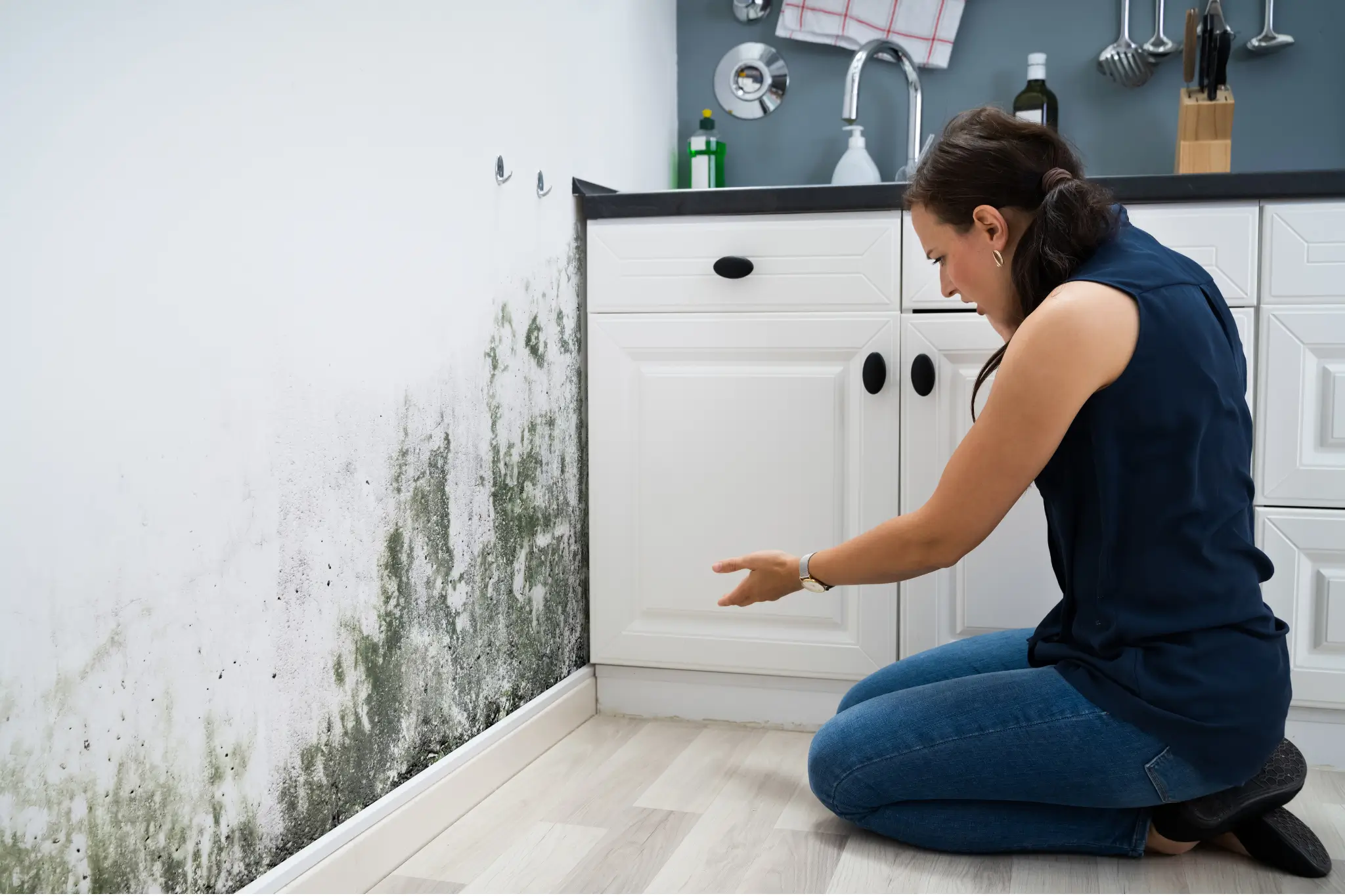
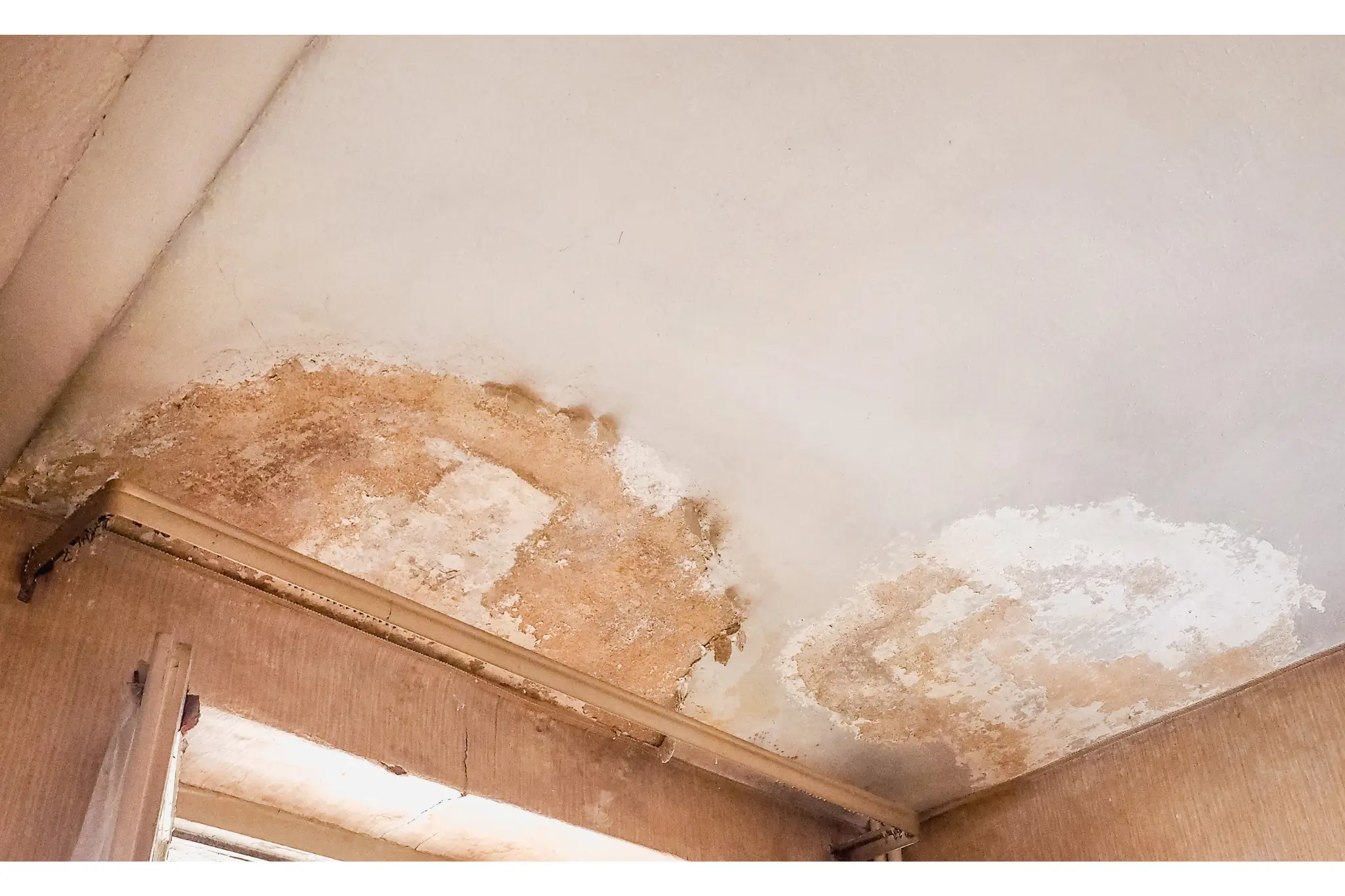
Finding mold in your home can be unsettling. Maybe you’ve noticed a musty smell that won’t go away. Perhaps you’ve spotted dark stains near a bathroom ceiling, behind furniture, or around a recent water leak. Some homeowners see mold and assume it’s a small issue they can deal with later. Others hope it will stop growing on its own.
The problem is that mold rarely stays in one place.
If you’re wondering what happens if mold is left untreated, you’re asking the right question. Ignoring mold can lead to larger problems that affect your home, your indoor environment, and your wallet. What starts as a small patch behind a wall can eventually spread to larger areas of the property.
At A/S General Contracting, we have helped homeowners throughout San Diego identify hidden mold, locate moisture sources, and restore damaged areas before problems became more severe. We understand how mold develops, why it spreads, and what property owners should know when deciding how to respond.
In this guide, you’ll learn:
- What happens if mold is left untreated
- Common health effects of mold exposure
- Hidden mold risks many homeowners miss
- How mold spreads through a home
- Property damage from mold
- Why mold inspections are important
- When professional help may be needed
Let’s start with the biggest concern homeowners face.
Mold Does Not Usually Stay Small
One of the most common misconceptions about mold is that it will stop growing once it appears.
Mold survives by feeding on organic materials and moisture.
Common food sources include:
- Drywall
- Wood
- Insulation
- Carpet backing
- Ceiling tiles
- Dust and debris
As long as moisture remains available, mold can continue expanding.
Think of mold like weeds growing in a garden. A few weeds may seem harmless at first. Leave them alone long enough and they begin spreading into surrounding areas.
The same thing often happens inside a home.
What Happens If Mold Is Left Untreated?
Several problems can develop when mold is ignored.
These issues generally fall into two categories:
- Health-related concerns
- Property-related concerns
The longer mold remains active, the greater the potential impact.
Health Effects of Mold Exposure
Many homeowners first discover mold because someone in the household begins experiencing symptoms.
The health effects of mold exposure vary from person to person.
Some people notice very little.
Others may experience:
- Sneezing
- Nasal congestion
- Coughing
- Watery eyes
- Throat irritation
- Headaches
Individuals with allergies, asthma, or respiratory conditions may be more sensitive to mold exposure.
Because mold spores can become airborne, they may circulate throughout the property and affect indoor air quality.
This is one reason why mold inspection services are often recommended when persistent symptoms occur without a clear explanation.
Indoor Air Quality Concerns
Mold affects more than visible surfaces.
It can also impact the air inside your home.
As mold grows, it releases microscopic spores into the environment.
These spores can travel through:
- HVAC systems
- Open doorways
- Air currents
- Ventilation systems
Over time, indoor air quality concerns may become more noticeable.
Many homeowners report:
- Persistent musty odors
- Stale indoor air
- Increased allergy symptoms
- Difficulty identifying the source of odors
When mold spreads beyond the original area, indoor air quality often becomes a larger concern.
Hidden Mold Risks Most Homeowners Don’t See
One reason mold becomes such a serious issue is because it often grows out of sight.
Common hidden mold locations include:
Behind Drywall
Moisture trapped inside walls creates ideal conditions for mold growth.
Under Flooring
Leaks can allow moisture to accumulate beneath laminate, vinyl, and hardwood floors.
Inside Attics
Roof leaks frequently contribute to attic mold growth.
Inside HVAC Systems
Moisture inside ductwork can support mold development.
Behind Cabinets
Kitchen and bathroom leaks often remain hidden for long periods.
These hidden mold risks can continue expanding even when no visible mold is present.
Mold Spreading Through Home
Many homeowners ask whether mold can move from one room to another.
The answer is yes.
Mold spreading through home environments often happens through airborne spores.
Spores may settle in new locations where moisture exists.
Examples include:
- Nearby walls
- Adjacent rooms
- Ventilation systems
- Attics and crawl spaces
This is why identifying and addressing the moisture source is just as important as removing visible mold.
Property Damage From Mold
Property damage from mold can become expensive if left untreated.
Mold gradually breaks down the materials it grows on.
Affected materials may include:
Drywall
Mold can weaken drywall and lead to replacement needs.
Wood Framing
Long-term moisture exposure can affect structural materials.
Flooring
Mold may damage subfloors and finished flooring products.
Insulation
Wet insulation often loses effectiveness and may require removal.
Personal Belongings
Furniture, clothing, books, and stored items can all be affected.
The longer mold remains active, the greater the potential repair costs.
Mold Often Starts With Water Damage
Mold problems usually begin with moisture.
Common sources include:
- Plumbing leaks
- Roof leaks
- Appliance failures
- Flooding
- Condensation
Understanding where moisture comes from is one of the first steps toward solving the problem.
Our article:
How Fast Does Mold Grow After a Water Leak or Flood?
explains how quickly mold can begin developing after water intrusion.
This is one reason prompt inspections are so important.
Why Small Leaks Create Big Problems
Many mold issues begin with leaks that seem insignificant.
A slow drip behind a wall may continue for months before anyone notices.
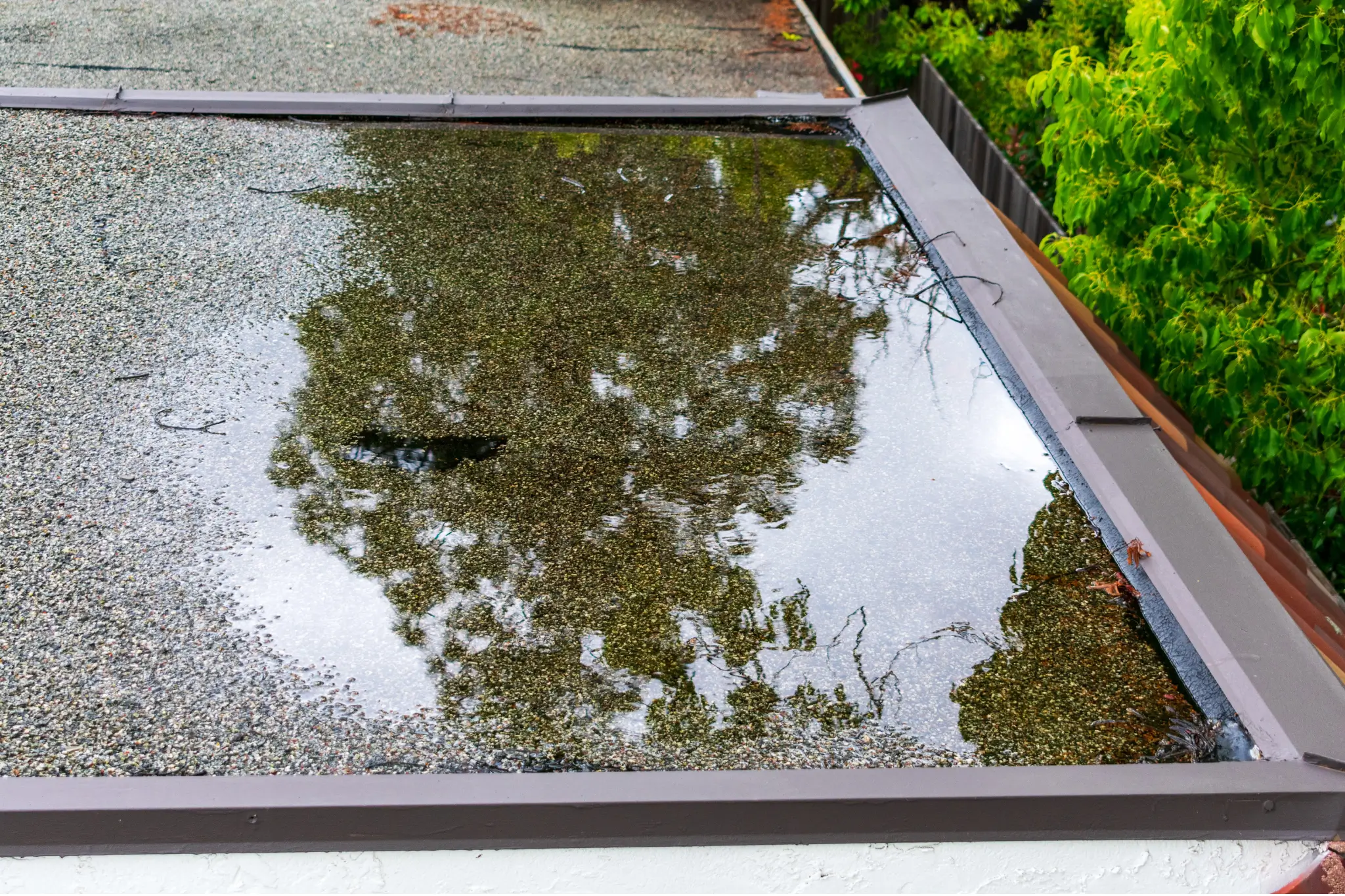
Roof leaks can also create hidden moisture conditions.
Our article:
5 Ways Roofing Leaks Can Damage Siding (And What San Diego Homeowners Should Do)
explains how water can spread through multiple parts of a structure.
The same moisture can also contribute to mold growth.
Basement and Lower-Level Moisture Concerns
Water intrusion doesn’t always occur in obvious locations.
Basements, crawl spaces, and lower levels often experience:
- Condensation
- Groundwater intrusion
- Humidity problems
Our article:
10 Basement Water Damage Prevention Tips That Actually Work in San Diego
provides useful strategies for reducing moisture-related risks.
Controlling moisture is one of the best ways to prevent mold from returning.
The Importance of Mold Inspection
Many homeowners attempt to evaluate mold problems on their own.
The challenge is that visible mold often represents only part of the issue.
The importance of mold inspection comes down to identifying:
- Hidden growth
- Moisture sources
- Affected materials
- Air quality concerns
- The overall extent of contamination
A professional inspection helps create a clear understanding of what is happening inside the property.
Without an inspection, it can be difficult to know whether the problem is isolated or widespread.
When Mold Becomes More Difficult to Remove
Mold generally becomes harder to address when:
- Growth spreads to multiple rooms
- Moisture remains active
- Structural materials are affected
- Contamination reaches hidden spaces
Early action often allows for simpler and less expensive solutions.
Waiting increases the likelihood that larger portions of the property will require remediation.
A Local Perspective in San Diego
Moisture-related issues affect homes throughout San Diego.
Properties near Balboa Park can experience seasonal humidity fluctuations that contribute to moisture accumulation in attics, crawl spaces, and enclosed spaces. Even small amounts of trapped moisture can support mold growth over time.
Families with students attending San Diego High School often balance busy schedules filled with school events, sports, and work commitments. Because of these demands, small maintenance concerns can sometimes go unnoticed. A hidden leak left unresolved for months can eventually lead to significant mold problems.
These local realities highlight the value of early inspections and moisture management.
Why Homeowners Choose A/S General Contracting
A/S General Contracting helps San Diego homeowners identify and address mold-related concerns before they become larger restoration projects.
Our team focuses on:
- Thorough property evaluations
- Moisture detection
- Mold identification
- Restoration planning
- Long-term solutions
We believe homeowners deserve clear information about what is happening inside their homes so they can make informed decisions.
Explore Our Services
If you’re concerned about mold growth, moisture intrusion, or hidden property damage, we offer our services to help protect your home and restore affected areas.
Our services include:
Fire Damage Repair
Black Mold Remediation
Water Leak Repair
These services help address both the source of the problem and the damage that often follows.
Contact A/S General Contracting Today
If you’re wondering what happens if mold is left untreated, the answer is simple: the problem rarely improves on its own.
Mold can continue spreading, affect indoor air quality, damage building materials, and increase restoration costs over time.
Call A/S General Contracting today at (858) 923-5166 to schedule an inspection and learn more about protecting your home from mold-related damage.
The sooner mold is identified and addressed, the easier it is to protect your property and maintain a healthier living environment.