How long does sewage cleanup take after a toilet overflow or sewer backup? A small, contained job may take 1 to 3 days once the source is under control. When sewage reaches several rooms or soaks into flooring and walls, cleanup and drying can take longer. If cabinets, floors, or drywall need to be rebuilt, plan for a separate repair schedule.
The most useful detail is where the dirty water went. A shallow spill on tile may be easier to handle than a smaller spill that slipped beneath a bathroom vanity. This guide walks through five stages of professional cleanup and shows what to ask at each one, including when you can use your bathroom again.
How Long Does Sewage Cleanup Take? A Timeline by Job Size
A/S General Contracting’s Rancho Bernardo sewage cleanup guide gives a planning range of 1 to 3 days for simple cleanups and 1 to 2 weeks for some projects that include repairs. These are estimates. Use the first visit to find out which parts of the job the estimate covers and what the crew still needs to inspect.
Picture a toilet backup that stays on a tile floor. The blockage is cleared, and the crew checks the edges of the floor, the baseboards, and the cabinet for signs of spread. If the spill stayed on reachable surfaces and the materials underneath are dry, the crew may complete the main cleaning on the first visit.
Now picture the same backup running under a vanity and into a carpeted hall. The crew has to check the cabinet base, see how far the carpet pad got wet, and inspect the floor below. Removing damaged material can reveal more wet areas. That’s when a quick surface cleanup turns into several days of work, even in a small home.
1. Stop the Backup and Find the Source
If sewage is coming up through a toilet, shower, or floor drain, pause flushing and running water until a plumber or the sewer utility gives you direction. Keep children and pets out of the affected area. If the water has reached outlets or electrical equipment, stay out and call an electrician. Follow the CDC’s guidance on standing water and electrical hazards.
A plumber can check for a blockage or a damaged line at the property. If sewage is surfacing from a street manhole or you suspect a public sewer spill within city limits, follow the City of San Diego’s sewer spill reporting guidance. When you call, say which fixtures backed up first and whether sewage is still coming in. Backup in more than one fixture can help narrow down the possible causes.
Crew arrival and source control can happen at different times. A restoration team can assess the damage and plan how to limit foot traffic while the plumbing issue is being addressed. Once the flow stops and the area is safe to enter, the crew can remove wastewater without a new backup undoing the work.
2. Trace Where the Sewage Traveled
At A/S General Contracting, our team checks the affected room and nearby materials before setting the cleanup scope. One place worth checking is the doorway. Water that crosses a threshold can slip beneath flooring in the next room. The narrow panel at the bottom of a vanity can also hide water that ran under the cabinet.
Tell the crew when you last saw the room dry, where the water first appeared, and whether anyone walked through it into another room. Photos taken from a safe, dry spot can help show where the water reached before it drained away. If a rug, laundry basket, or other wet item was moved, tell the crew where it went.
When you ask “how long does sewage cleanup take?” at the first visit, ask what has already been checked and what the crew still needs to open or inspect. If water went under a floor, the estimate may change once the crew can see the layer underneath. Knowing which part is uncertain makes it easier to plan around an initial estimate.
3. Remove Wastewater and Clean Affected Surfaces
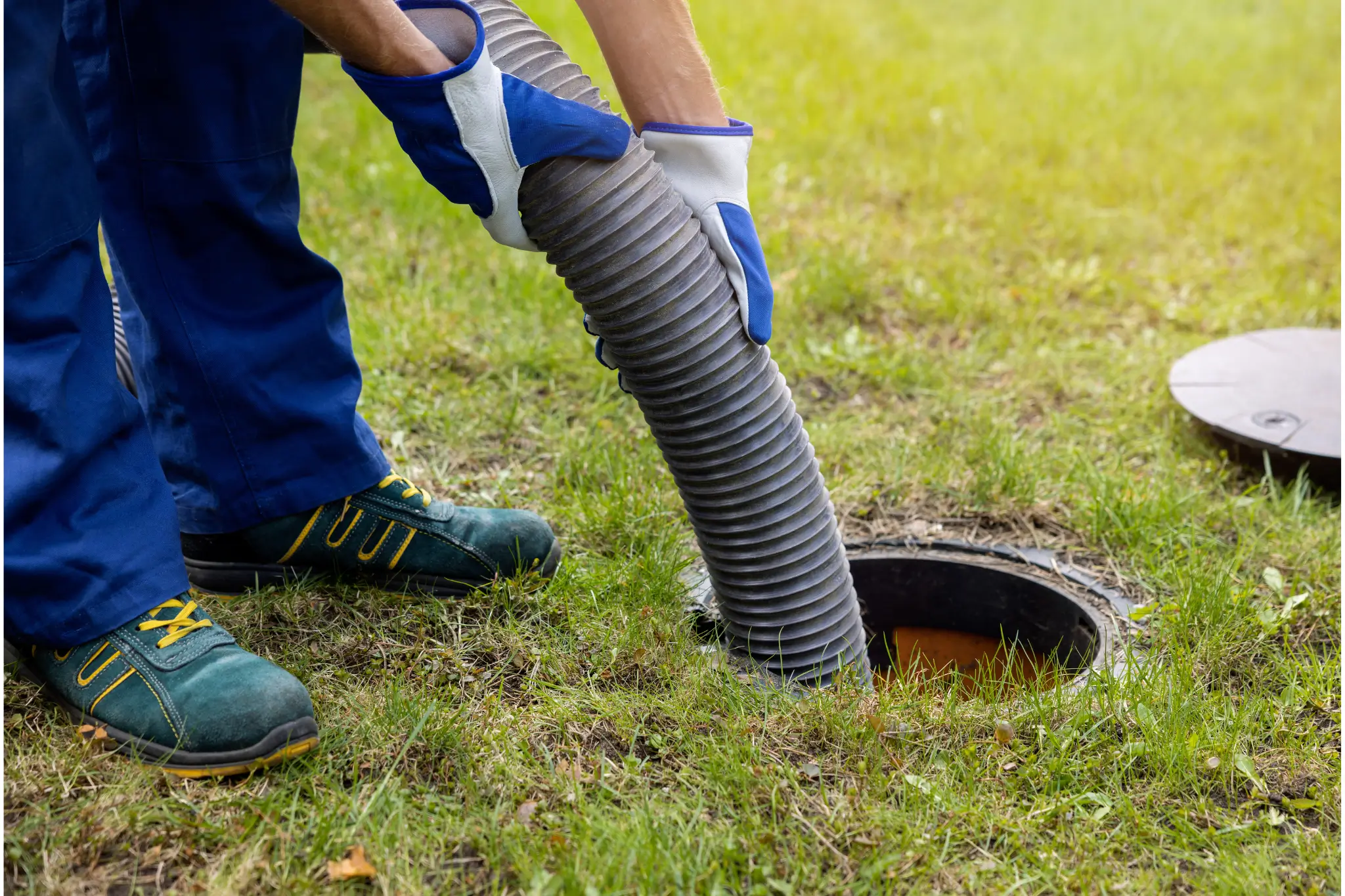
Once the source is under control, the crew removes standing sewage and sets aside materials that need to come out. Some smooth, hard surfaces can be cleaned and disinfected. Materials that soak up wastewater, such as carpet padding and drywall, often need to be removed. Ventura County’s indoor sewage cleanup guide explains why saturated carpet and padding are hard to salvage.
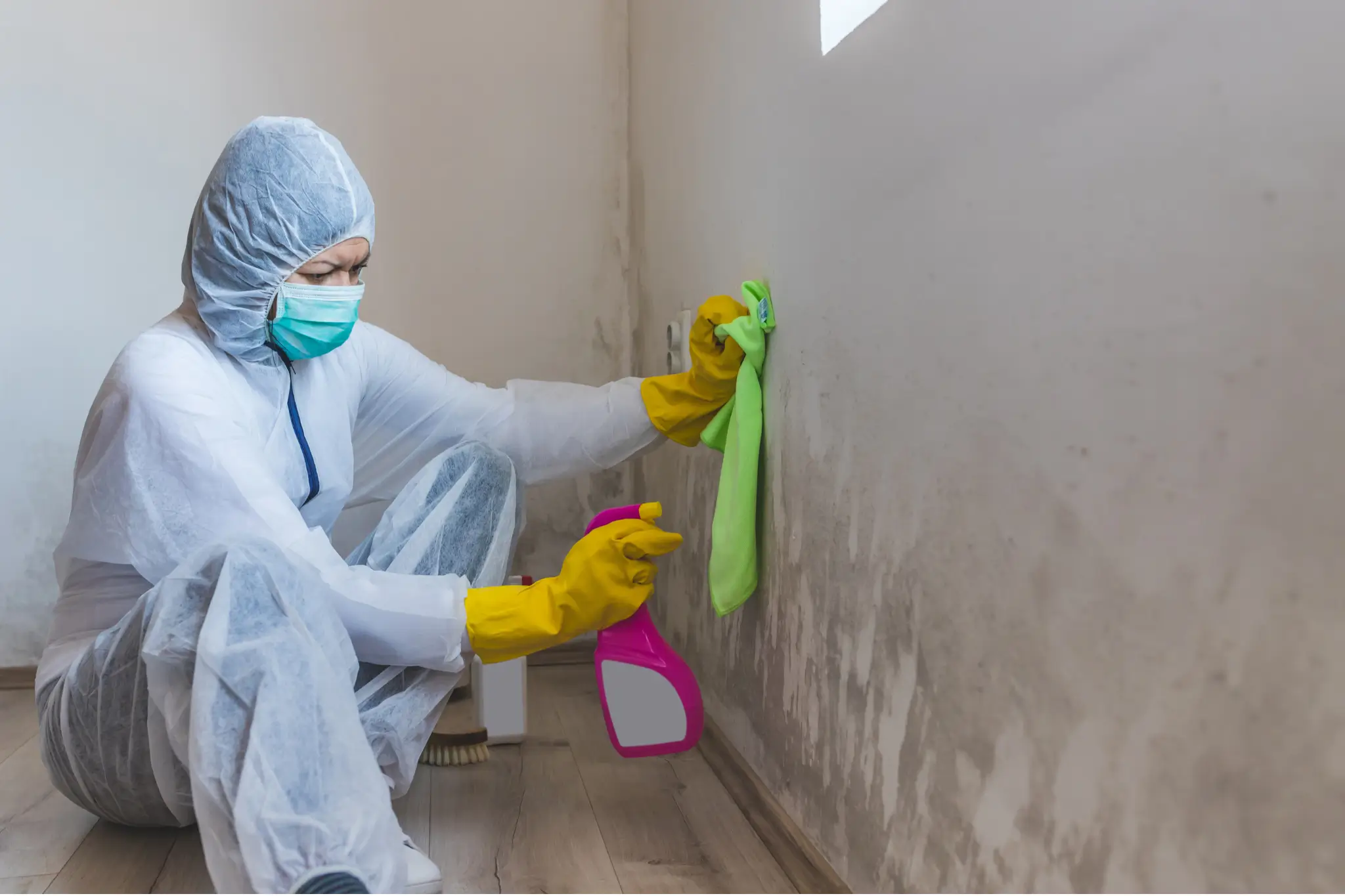
Cleaning and disinfecting are separate tasks. The crew first removes dirt and sewage residue so the product can reach the surface. Then it follows the product label. The EPA’s guide to surface disinfectants explains contact time, or how long the surface must stay wet. Pulling up contaminated materials, getting to the surfaces underneath, and cleaning them can take more time than pumping out the visible water.
Skip the household vacuum and keep portable fans off in the affected room until the crew has assessed the area. Avoid pulling up wet carpet or carrying soaked items through clean rooms. The EPA recommends hiring a professional experienced in contaminated water cleanup when sewage causes water damage. This is especially helpful when wastewater has spread under finishes or into a room you need to use every day.
4. Dry the Structure and Check for Hidden Moisture
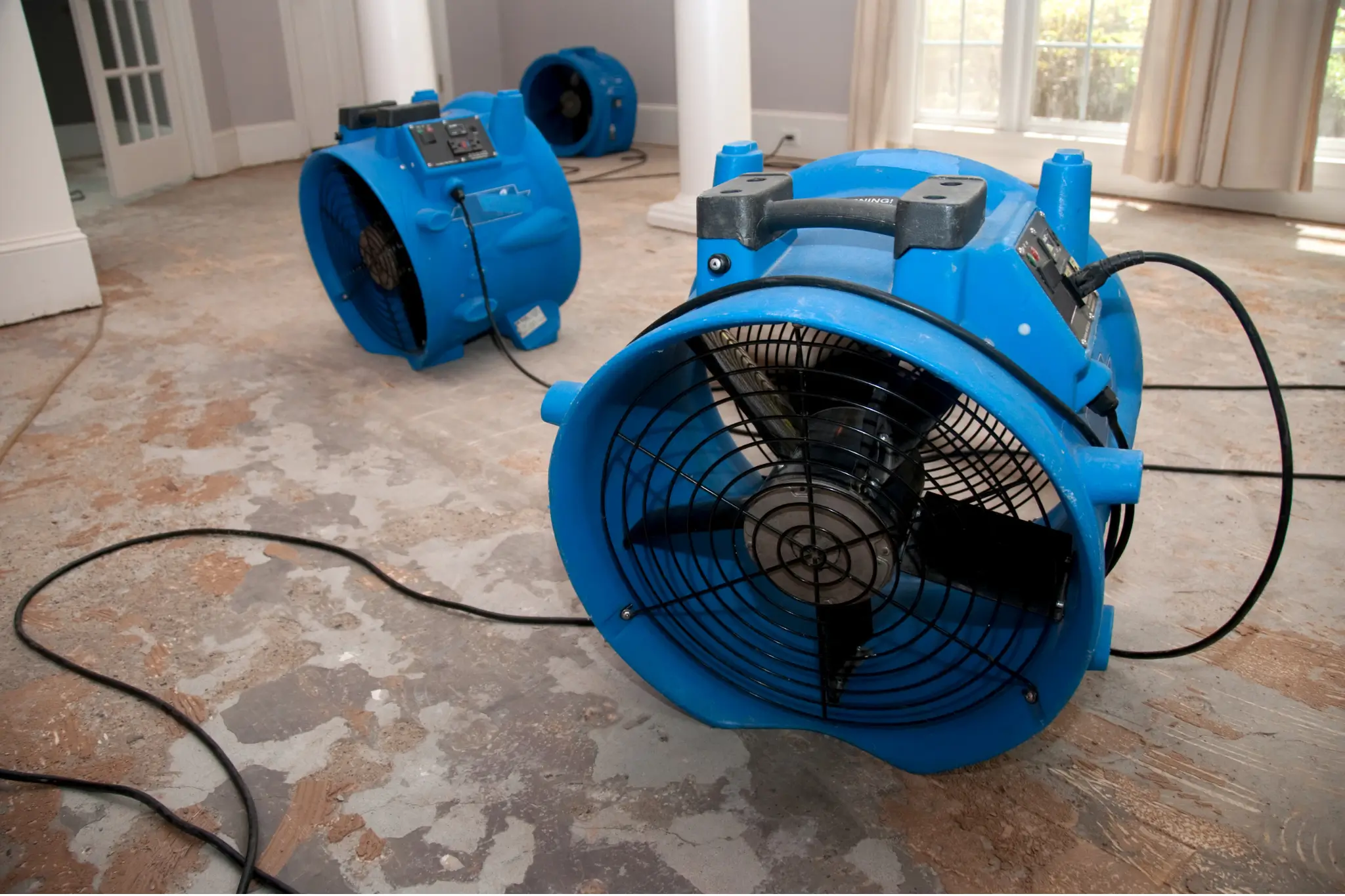
After contaminated materials are removed and reachable surfaces are cleaned, the structure may still need to dry. The subfloor, which is the layer beneath the finished floor, can hold moisture at seams and edges. Wood behind the baseboards can stay damp even when the center of the room feels dry. The crew may set up drying equipment and return to check those areas with a moisture meter.
Ask which spot is drying most slowly. In a bathroom, it might be the wood beneath the vanity or the seam where the tile meets the hall. During structural drying, the crew can use readings from similar dry materials elsewhere in the home to help decide when the affected materials are ready. This gives you a clearer progress update than asking how many days the equipment has been running.
If you are still asking “how long does sewage cleanup take?” after the first visit, ask when the next moisture check is due and what could change the plan. A stubborn wet spot may need better access before it can dry. Several days of drying may involve short checks and equipment running between visits.
5. Reopen the Area and Schedule Any Repairs
A bathroom can be cleaned and dry while its vanity is still out or the toilet is waiting to be reset. Ask the crew for a date when cleanup is expected to finish, a date when you can use the room again, and a date when repairs should be done. Those dates can land on different days, especially if the job needs a plumber to return or flooring to be ordered.
If this is your only bathroom, say so on the first call. The same goes for a kitchen that gives you your only route to the back door. Tell the team which rooms your family needs to reach so you can make a plan for where to stay or which areas to use while the work is underway. Once the area is ready, A/S General Contracting can coordinate approved water damage repairs such as replacing drywall, flooring, or trim.
How Long Does Sewage Cleanup Take in a Condo or Rental?
The work inside each room follows the same basic steps. The schedule can stretch if the crew needs access to another unit, a shared hallway, or a locked plumbing area. For example, sewage that starts in an upstairs bathroom may show up around a ceiling opening below. A manager who can arrange access to both units helps the crew check the full path of the spill before giving each resident a timeline.
If you rent, notify the owner or property manager right away. If you manage the building, record which unit first reported the backup, who can open each affected space, and which bathrooms or exits are out of use. Give residents a time for their next update, even if the crew still needs more information before it can estimate a reopening date.
Can You Stay Home While Sewage Cleanup Is Underway?
Ask the restoration team whether the affected area can be closed off and whether the rest of the home has a usable bathroom and a safe way in and out. One contained bathroom may leave the rest of the house usable. An affected hallway or several connected rooms can make staying home impractical. Keep children and pets away from the work area until cleanup is complete, following the CDC’s guidance on water that may contain sewage.
Before using a room again, ask the crew whether the plumbing is working, whether cleaning is complete, and whether any wet building materials or repair hazards still limit entry. The smell can fade before hidden areas have been checked, so use the crew’s findings to make that decision. If a sewage smell returns when you run water, tell the plumber and the cleanup team where and when it happens.
Get a Sewage Cleanup Timeline for Your San Diego Property
For a small spill, a few days may be enough. A backup that reaches several rooms or requires a new floor needs more time. To get an estimate you can plan around, ask what the crew can finish on the first visit, what still needs to dry, and when you can use each affected room again. Mention the source if you know it and point out any wet carpet, cabinet, or adjoining room.
A/S General Contracting provides professional sewage cleanup in San Diego. Our team can inspect where the wastewater traveled, remove affected materials, clean and dry the area, and explain which repairs may be needed. If you’re dealing with a backup now, let us know whether the sewage is still coming in and which rooms or fixtures you’ve had to stop using.