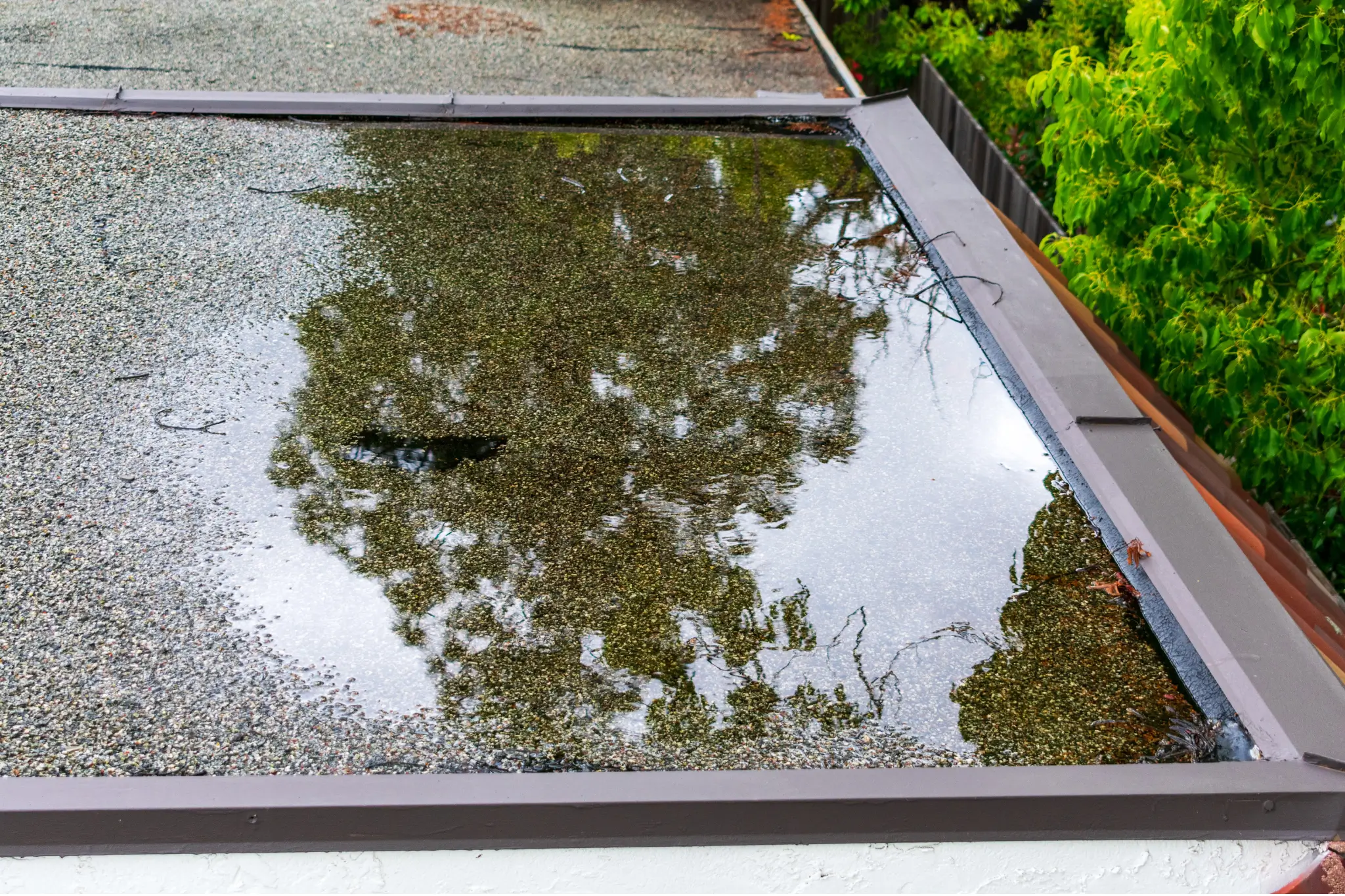
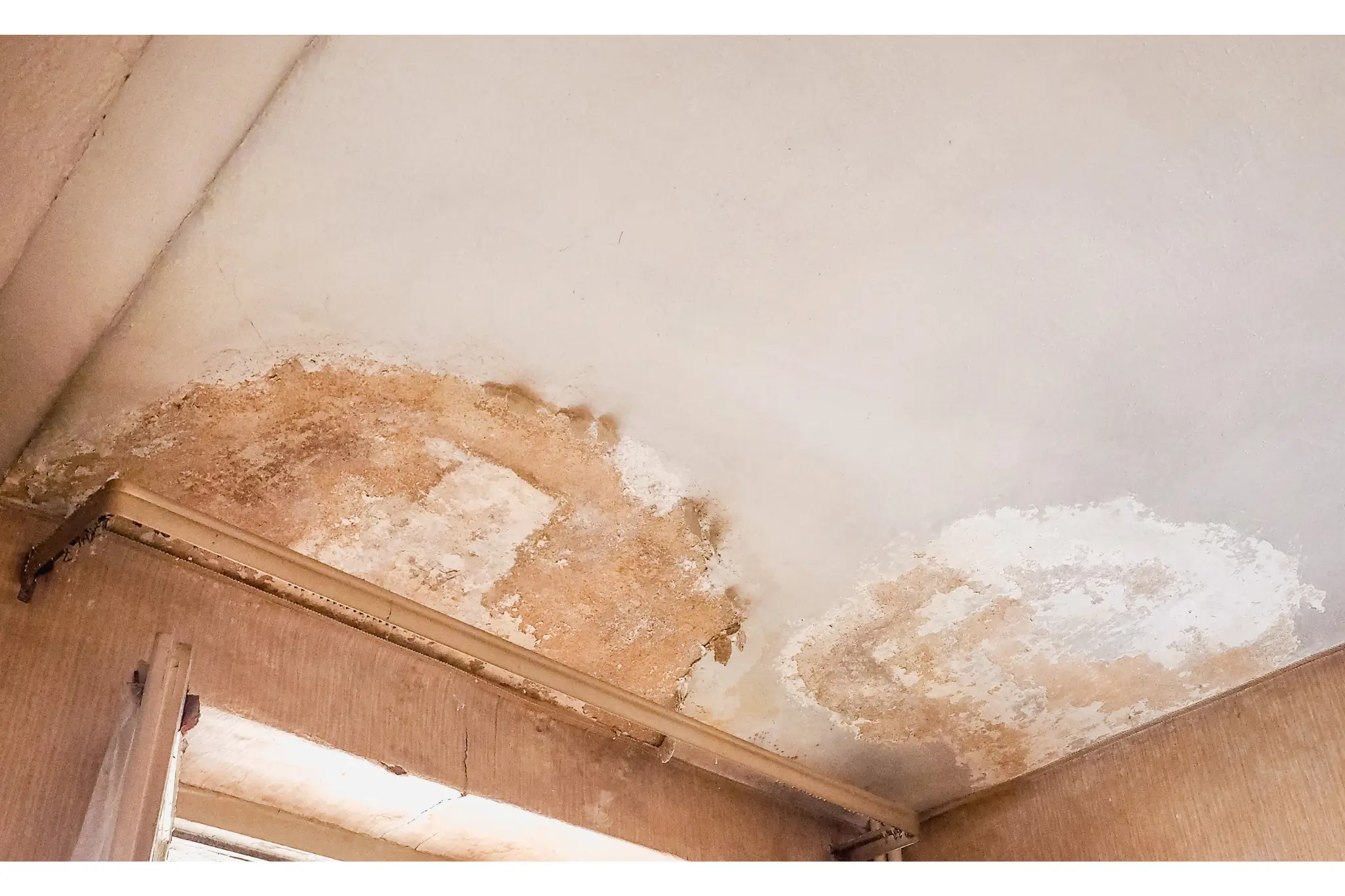
A strong storm can damage a roof in only a few minutes. Wind may lift shingles, tree branches may puncture the roof, and heavy rain can enter the attic. Emergency roof tarping after storm damage creates a temporary cover over the damaged area. It can limit further damage while you arrange permanent repairs.
Time matters when your roof is open to the weather. A small hole can allow water to soak insulation, ceilings, walls, flooring, and personal belongings. However, rushing onto a wet or unstable roof is dangerous. The safest response is to protect people first, inspect from the ground, and contact a trained restoration team.
This guide explains nine important steps to take after storm damage. You will learn how emergency roof tarping after storm conditions works, why professional installation matters, and what you can do inside your home while waiting for help.
1. Check for Immediate Danger Before Emergency Roof Tarping After Storm Damage
Before thinking about the roof, make sure everyone is safe. Look for fallen power lines, broken glass, unstable trees, standing water, and parts of the ceiling that appear ready to fall. Do not enter a room if the ceiling is sagging or making cracking sounds.
If you smell gas, see sparks, or notice fire, leave the building and call 911. Keep children and pets away from damaged areas. If local officials tell you to evacuate, follow their instructions. The Ready.gov hurricane safety guide explains why people should avoid damaged buildings and electrical equipment after a major storm.
Emergency roof tarping after storm damage should begin only after the property is safe to approach. A roof that looks solid from the yard may have weak decking underneath. Decking is the wood surface below the shingles. If that wood is cracked or soaked, it may not hold a person’s weight.
2. Inspect the Damage Safely From the Ground
Walk around the property only when the storm has passed and conditions are safe. Use your phone’s camera to zoom in from the ground. Look for missing shingles, bent flashing, fallen branches, damaged gutters, exposed wood, and pieces of roofing in the yard.
Check inside the home too. Water stains, dripping ceilings, wet insulation, peeling paint, or a musty smell may show where rain entered. Remember that the indoor leak may not sit directly below the roof opening. Water often travels along rafters, pipes, or wiring before it drips into a room.
This first inspection helps a professional plan emergency roof tarping after storm damage. It does not require you to climb a ladder. In fact, staying off the roof is often the smartest choice. According to OSHA’s roof-repair safety guidance, damaged roofs create added fall risks because their strength may be uncertain.
3. Call for Emergency Roof Tarping After Storm Damage Quickly
Call a qualified contractor or restoration company as soon as you notice roof damage. During a large storm, many homeowners may need help at the same time. An early call can place your home on the response schedule before more rain arrives.
When calling, share clear details. Explain when the storm happened, what you can see, whether water is entering the home, and which rooms are affected. Mention fallen trees, electrical hazards, or sagging ceilings. Photos taken from a safe location can also help the response team understand the job.
A/S General Contracting provides storm damage restoration services for properties affected by severe weather. Emergency roof tarping after storm damage can be coordinated with water removal, structural drying, damaged-material removal, and reconstruction when those services are needed.
4. Document the Property Before Work Starts
Take photos and short videos before damaged items are moved or temporary work begins. Capture wide views of each affected room and close views of visible damage. Photograph the roof from the ground, wet ceilings, damaged furniture, standing water, fallen branches, and roofing pieces found around the property.
Write down the date and approximate time of the storm. Make a simple list of damaged belongings. Save receipts for emergency roof tarping after storm service, hotel stays, drying equipment, cleanup supplies, and other storm-related costs.
Contact your insurance company as soon as you reasonably can. Ask what records they need and whether they have rules for emergency work. You should still take reasonable steps to prevent more damage, but avoid throwing away major damaged items until your insurer explains how they should be documented.
If the claim process feels confusing, A/S General Contracting offers insurance claim support. Good records help show what happened before the tarp was installed and what work was needed afterward.
5. Understand What a Roof Tarp Can and Cannot Do
A roof tarp is a temporary shield. It covers an opening or damaged section so rain and windblown debris are less likely to enter. Proper emergency roof tarping after storm damage can buy valuable time while materials are ordered, an insurance inspection is scheduled, or a repair plan is prepared.
A tarp is not a new roof. It cannot rebuild broken rafters, replace rotten decking, correct poor drainage, or guarantee that every drop of water will stay out. It may also loosen when exposed to strong wind, sharp debris, or long periods of sunlight.
One lesson experienced restoration teams learn is that the smallest visible opening is not always the full problem. Wind can lift shingles several feet away from the obvious hole. Water may then travel beneath the roof covering. A careful inspection around the damaged zone is just as important as covering the opening itself.
6. How Professionals Handle Emergency Roof Tarping After Storm Damage
A trained crew first studies the roof from safe locations. The team checks the roof slope, access points, surface condition, weather, and possible weak areas. Workers may use fall protection, ladders, lifts, or other equipment based on the property and the type of damage.
The crew selects a tarp large enough to extend beyond the damaged section. Covering only the visible hole may leave nearby lifted shingles exposed. The tarp usually needs to reach sound roofing where it can be secured without sending water underneath the material.
Professional emergency roof tarping after storm damage also involves careful placement. The tarp should lie flat enough to reduce wind pressure and should direct water toward the roof edge. Loose folds can collect water. Poorly placed fasteners can create new holes or allow strong wind to pull the tarp away.
The exact installation method depends on the roof material and condition. Asphalt shingles, tile, metal roofing, and flat roofing do not behave in the same way. This is one reason a simple online tarp tutorial cannot replace an on-site safety and damage assessment.
Why a Blue Tarp Is Not the Whole Solution
People often picture emergency roof tarping after storm damage as throwing a blue sheet over a hole. The real goal is water control. The crew must consider where rain flows, how wind will reach the tarp, and whether damaged materials underneath can support the installation.
A tarp that looks fine from the street may still leak at its upper edge. It may also send water into a valley, gutter joint, or another weak area. Good temporary protection works with the roof’s natural drainage path instead of fighting it.
7. Control Water Inside While Waiting for Help
While waiting for emergency roof tarping after storm service, move people and belongings away from active leaks. Place buckets under drips if the ceiling is still firm and the area has no electrical danger. Use towels or plastic containers to limit water spreading across hard floors.
Do not place a bucket beneath a bulging ceiling and stand under it. A bulge may hold several gallons of water, and the ceiling material can suddenly collapse. Close off the room and wait for a professional assessment.
If water is near lights, outlets, appliances, or an electrical panel, stay away. Do not touch wet electrical equipment or walk through water to reach a breaker. Contact emergency services or a qualified electrician when there may be an electrical danger.
If rain has already entered the building, covering the roof is only the first step. Water may remain inside insulation, drywall, wood, and flooring. A/S General Contracting’s water extraction services can remove unwanted water, while structural drying services address moisture trapped in building materials.
8. Avoid Common Emergency Roof Tarping After Storm Mistakes
The first common mistake is climbing onto a wet roof without proper training or fall protection. Wet shingles can be extremely slick. Loose roofing can move under your feet, and hidden damage can cause part of the surface to fail.
The second mistake is installing a tarp while rain, lightning, or strong wind is still present. A large tarp can catch the wind like a sail. It may pull a person off balance even when the roof itself seems safe.
The third mistake is fastening a small tarp directly around the hole without checking the surrounding area. Storm damage often spreads farther than it first appears. Emergency roof tarping after storm damage should cover the full affected zone and overlap stable roofing.
The fourth mistake is assuming the tarp has solved the water problem. Wet materials inside the home still need attention. The article on how fast water damage can spread explains why quick moisture control matters after a leak begins.
The fifth mistake is leaving the tarp in place without follow-up checks. Fasteners can loosen, edges can lift, and trapped water can collect. Ask the contractor how long the temporary covering is expected to last and when it should be inspected.
9. Plan the Permanent Repair After Emergency Roof Tarping After Storm Damage
Once the home is temporarily protected, arrange a complete damage inspection. The inspector should look beyond the surface covering. The roof deck, rafters, flashing, vents, gutters, insulation, ceilings, and walls may all need to be checked.
The best repair plan separates three different problems: stopping new rain, drying existing moisture, and rebuilding damaged materials. Emergency roof tarping after storm damage handles the first problem. Drying equipment handles the second. Roof repair and reconstruction handle the third.
This order matters. Closing a wall or ceiling before hidden moisture is dry can trap water inside the structure. That may lead to stains, odors, damaged paint, weakened materials, or mold growth. If you suspect moisture remained after a leak, review the warning signs in this guide to when a water damage inspection is needed.
How Long Can an Emergency Roof Tarp Stay in Place?
There is no single safe time limit for every tarp. Its useful life depends on the tarp material, roof shape, installation method, sunlight, wind, rain, and the damage beneath it. A tarp may fail much sooner if sharp tile, nails, branches, or rough roof edges rub against it.
Treat emergency roof tarping after storm damage as a short-term measure. Ask for a written repair timeline and inspect the covering from the ground after additional wind or rain. If you notice flapping edges, new indoor leaks, sagging tarp material, or water collecting on the roof, call the installer.
Do not climb up to adjust the covering yourself. The same damage that required the tarp may make the roof unsafe. A trained worker can review both the tarp and the surface supporting it.
Will Insurance Pay for Emergency Roof Tarping After Storm Damage?
Insurance coverage depends on the policy, the cause of the damage, and the condition of the roof before the storm. Many policies expect homeowners to take reasonable action to prevent additional damage. Emergency roof tarping after storm damage may be part of that effort, but payment is never guaranteed.
Notify the insurer promptly and ask about emergency-service rules. Provide before-and-after photos, the contractor’s inspection notes, invoices, and a list of affected property. Keep copies of emails and write down the name of each person you speak with.
A tarp does not prove that the entire roof needs replacement. In the same way, a small visible hole does not prove that damage is limited to one spot. A detailed inspection helps connect the storm event, the temporary work, and the recommended permanent repairs.
Signs You Need More Than Emergency Roof Tarping After Storm Damage
Temporary covering may not be enough when the home has widespread water entry or structural damage. Call for a broader restoration assessment if you notice any of these conditions:
- A ceiling or wall is sagging, cracking, or falling apart.
- Water is flowing through lights, vents, or electrical fixtures.
- Several rooms have stains, dripping water, or wet flooring.
- Insulation is soaked or hanging from the ceiling.
- A tree or large branch has struck the roof.
- The roof deck appears bent, soft, or open.
- A musty smell develops after the storm.
- The tarp leaks or pulls loose during later weather.
These signs may point to water damage that needs extraction, drying, demolition, or reconstruction. Emergency roof tarping after storm damage stops more weather from entering, but it cannot remove water that has already traveled through the building.
What Homeowners Should Ask the Tarping Company
A short conversation can reveal whether a company has a clear plan. Ask how the crew will inspect the roof, what safety equipment will be used, how much of the roof will be covered, and how the tarp will direct rainwater. You can also ask whether photos will be taken before and after installation.
Ask if the company can help with interior water damage. Using one team for emergency roof tarping after storm damage and the related drying work may make documentation easier. It also helps the team connect the roof opening with the wet areas found inside.
Finally, ask what happens next. You should know whether the company will return to inspect the tarp, prepare an estimate, coordinate permanent repairs, or assist with restoration. Clear next steps reduce confusion during an already stressful situation.
Emergency Roof Tarping After Storm Damage Is the First Step, Not the Last
A damaged roof can quickly turn into a much larger property problem. The best response protects people first, documents the damage, blocks new rain, dries wet materials, and prepares a lasting repair. Each step supports the next one.
Emergency roof tarping after storm damage is valuable because it creates time. It gives homeowners a chance to speak with their insurer, understand the damage, and make careful repair choices. However, the tarp should never become a forgotten substitute for professional inspection and permanent work.
A/S General Contracting can help with emergency protection and storm damage cleanup. The team can also check for water that moved into ceilings, walls, insulation, and other hidden spaces. Acting early can limit avoidable damage and help move the property from temporary protection to a complete recovery plan.