
Mold Containment, Cleanup, and Property Restoration
Mold Remediation in Del Mar, CA
Our team can help when visible growth, musty odors, coastal humidity, condensation, or previous water damage raises concerns about mold inside your property. We inspect the affected and surrounding areas, establish containment, remove materials that cannot remain, perform detailed HEPA cleaning, dry retained structural materials, and complete approved repairs.
Mold Inspection
HEPA Air Filtration
Containment
Mold Removal
Structural Drying
Property Restoration

5 Star & A+ Rating
Yelp, Google & BBB
Request Help Today
From Visible Mold to a Clean, Dry Property
Mold can spread behind drywall, beneath flooring, inside cabinets, and through other porous materials before the full affected area becomes visible. Surface cleaning alone will not correct growth that is connected to trapped moisture or contaminated building materials.
We inspect beyond the visible mold, isolate the work area, remove materials that cannot be safely restored, clean retained surfaces, and reduce the remaining moisture throughout the affected space.
Mold Remediation Services We Provide
- Mold damage inspections
- Moisture detection and mapping
- Containment of affected areas
- HEPA air filtration
- Mold contamination removal
- Mold-damaged material removal
- Surface cleaning and treatment
- Structural drying and dehumidification
- Approved repairs and reconstruction
Not Sure Whether Mold Has Spread?
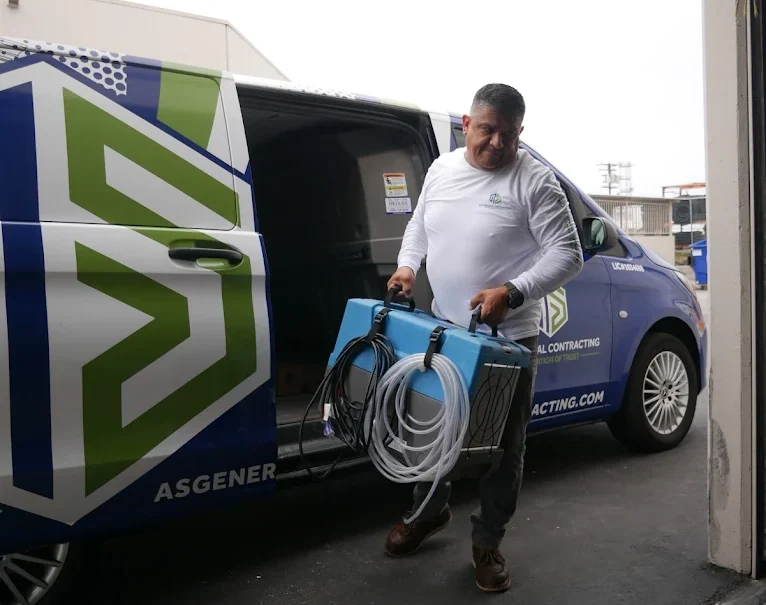
Visible mold may represent only part of the affected area. Moisture and growth can extend behind walls, underneath flooring, above ceilings, or into connected materials. We inspect the visible concern and surrounding conditions to determine whether containment, removal, cleaning, drying, or repairs are needed.
Signs Professional Mold Remediation May Be Needed
Mold Returns After Cleaning
Recurring growth may mean moisture or contamination remains inside the material or in a connected area.
A Musty Odor Has No Obvious Source
Persistent odors inside closets, cabinets, bathrooms, or other enclosed spaces may point to concealed mold growth.
Stains Are Spreading Across Materials
Discoloration that expands across drywall, ceilings, flooring, or wood may require more than surface treatment.
Materials Remained Wet After a Leak
Drywall, insulation, carpet, cabinets, and framing that stayed damp may develop mold even after the visible water disappears.
Mold Appears in Several Areas
Growth in multiple rooms or along connected surfaces may indicate a broader moisture and contamination problem.
How We Move From Inspection to Remediation
From your first call, we organize the work around the visible growth, affected materials, and source of moisture. Each stage helps control the work area, remove contamination, and prepare the property for drying and repairs.
We Review What You Have Noticed
We ask where the mold appeared, whether there is a musty odor, if the area was previously wet, and whether the concern is spreading or returning.
We Inspect the Affected Materials
Our team evaluates the visible growth and checks nearby walls, flooring, cabinets, ceilings, and other materials that may also be affected.
We Establish the Remediation Plan
We identify what requires containment, filtration, cleaning, removal, drying, or repair and explain the recommended work.
We Complete the Approved Remediation
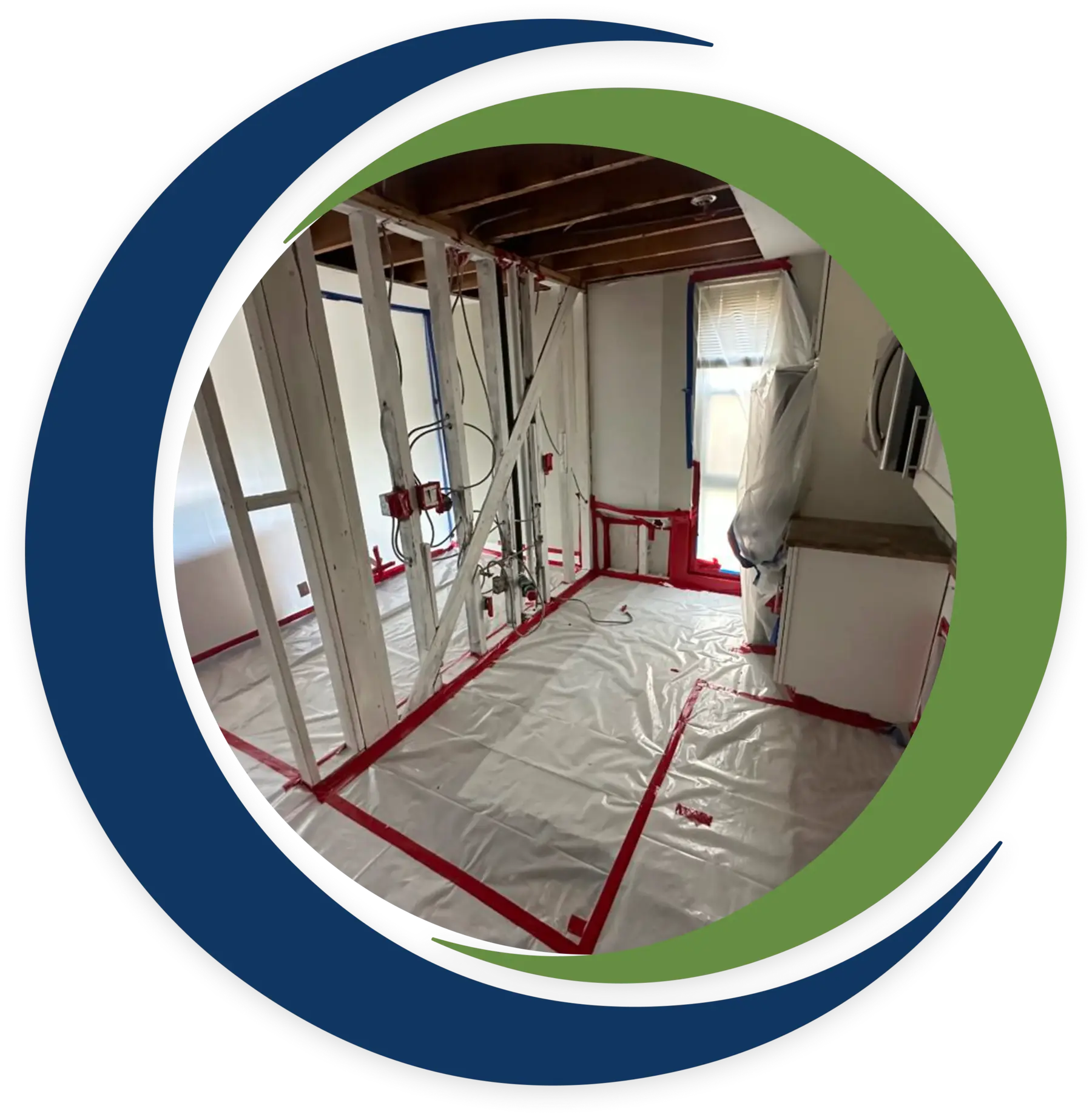
Containment is installed, air filtration is established, affected materials are addressed, and remaining surfaces are cleaned according to the approved scope.
We Dry the Area and Plan Repairs
We address remaining moisture, review the remediated space, and coordinate approved repairs for drywall, flooring, insulation, cabinets, or finishes that were removed.
Careful Mold Remediation With Clear Next Steps
Mold can leave you uncertain about how far it has spread, what must be removed, and whether repairs will be necessary. We explain what we find, organize the work in the proper order, and help you move from containment through cleanup, drying, and restoration.
Why Customers Trust Our Mold Remediation Team
Remediation for Different Property Types
We assist homeowners, landlords, property managers, and businesses with mold affecting houses, apartments, rental units, offices, and commercial spaces.
Controlled Containment and Air Filtration
We isolate the affected area and use HEPA air filtration to help limit the movement of airborne particles during remediation.
Focus on Moisture Conditions
Our team evaluates the moisture contributing to the mold concern so the work addresses more than the visible surface growth.
Straightforward Project Communication
We review the affected materials, explain the recommended scope, and keep you informed as removal, cleaning, drying, and repairs progress.
Remediation and Repairs Through One Team
When approved repairs are required, we can coordinate replacement of drywall, insulation, flooring, cabinets, baseboards, and interior finishes.

Mold Remediation Throughout Del Mar
We provide mold remediation for houses, condominiums, apartments, rental properties, HOA-managed communities, offices, retail spaces, hospitality properties, and other commercial buildings throughout Del Mar.
Communities and areas covered across Del Mar
- Del Mar Village
- Del Mar Heights
- Olde Del Mar
- Beach Colony
- Del Mar Terrace
- Del Mar Bluffs
- Stratford Court area
- Camino Del Mar corridor
- Properties near Torrey Pines State Beach
- Communities near the San Dieguito Lagoon
- Properties surrounding the Del Mar Fairgrounds
- Hilltop
- Harborside
- Properties near Buena Vista Park
- Nearby Del Mar neighborhoods
- 5.0 & A+ Ratings on Google, Yelp, Facebook, and BBB
What Customers Say About AS General
See what property owners have shared about their experience with our communication, restoration work, and support after water damage.
Based on 50 reviews


 Trustindex verifies that the original source of the review is Google.
 Trustindex verifies that the original source of the review is Google.
 Trustindex verifies that the original source of the review is Google.

 Trustindex verifies that the original source of the review is Google.
 Trustindex verifies that the original source of the review is Google.
 Trustindex verifies that the original source of the review is Google.
 Trustindex verifies that the original source of the review is Google.
 Trustindex verifies that the original source of the review is Google.
 Trustindex verifies that the original source of the review is Google.
 Trustindex verifies that the original source of the review is Google.

Based on 63 reviews

 Verified
 Verified
 Verified
 Verified
 Verified
 Verified
 Verified

How Coastal Moisture Can Affect Del Mar Properties
Del Mar’s marine air, coastal humidity, seasonal storms, and mixture of hillside residences, beach-area homes, condominiums, rental properties, and commercial buildings can create different moisture concerns throughout the community.
Condensation can develop around windows, exterior walls, bathrooms, closets, and rooms with limited airflow. Wind-driven rain can also enter around aging roofs, windows, balconies, siding, and exterior finishes. Hillside properties can experience drainage or moisture conditions around retaining walls, lower levels, and enclosed storage areas.
When moisture remains inside drywall, flooring, cabinets, insulation, or ceiling assemblies, mold can develop beyond the visible surface. We inspect the affected and surrounding areas to identify what requires containment, removal, cleaning, drying, or approved repairs.
Areas Commonly Affected by Mold
- Bathrooms and shower walls
- Kitchens and sink cabinets
- Laundry rooms and appliance areas
- Attics and roof-adjacent materials
- HVAC closets and areas around vents
- Drywall and interior wall cavities
- Flooring and subflooring
- Garages and storage spaces
Mold Remediation Resources for Del Mar Property Owners
These professional guides, public resources, and related services can help you understand mold inspections, moisture conditions, remediation procedures, and property restoration.
Helpful Mold Guides
Mold and Moisture Safety Resources
Related Restoration Services
Mold Remediation FAQS for Del Mar Properties
How do I know whether my property needs mold remediation?
Visible growth, recurring musty odors, water stains, soft drywall, warped materials, or mold returning after surface cleaning can indicate a larger moisture problem. We inspect the visible concern and connected materials to determine what requires attention.
Can mold spread between condominium or apartment units?
Moisture can travel through shared walls, ceilings, utility openings, and flooring assemblies. Mold does not automatically affect every connected unit, but nearby areas should be inspected when water has crossed unit boundaries.
Is mold testing required before remediation begins?
Not in every situation. When visible mold and a clear moisture problem are present, inspection findings may provide enough information to prepare a remediation plan. Testing can be useful when the source is unclear or an independent assessment is requested.
Can occupants remain in the building during remediation?
That depends on the location and size of the affected area, the work being performed, and the needs of building occupants. Containment can often isolate the work zone, but we review access and occupancy considerations before work begins.
Can you repair materials removed during remediation?
Yes. After remediation and structural drying are complete, we can coordinate approved repairs for drywall, insulation, flooring, cabinets, ceilings, baseboards, paint, and other finishes.
Contact Our San Diego Office for Mold Remediation in Del Mar
A/S General Contracting – San Diego Location
- Phone: 858-365-9803
- Email: info@asgeneralcontracting.com
- Hours: Open 24 hours, 7 days a week
We help Del Mar homeowners, landlords, HOA managers, property managers, vacation-rental operators, and businesses respond to visible mold, musty odors, concealed moisture, and mold following previous water damage. We can inspect the affected areas, establish containment, remove damaged materials, complete HEPA cleaning, dry retained structural components, and coordinate approved repairs.
Mold Spreading Beyond the Visible Surface?
Mold can develop behind walls, beneath flooring, above ceilings, and inside connected materials when moisture remains. Call our team to inspect the affected areas, explain what needs attention, and begin the appropriate containment, removal, cleaning, drying, and restoration work.