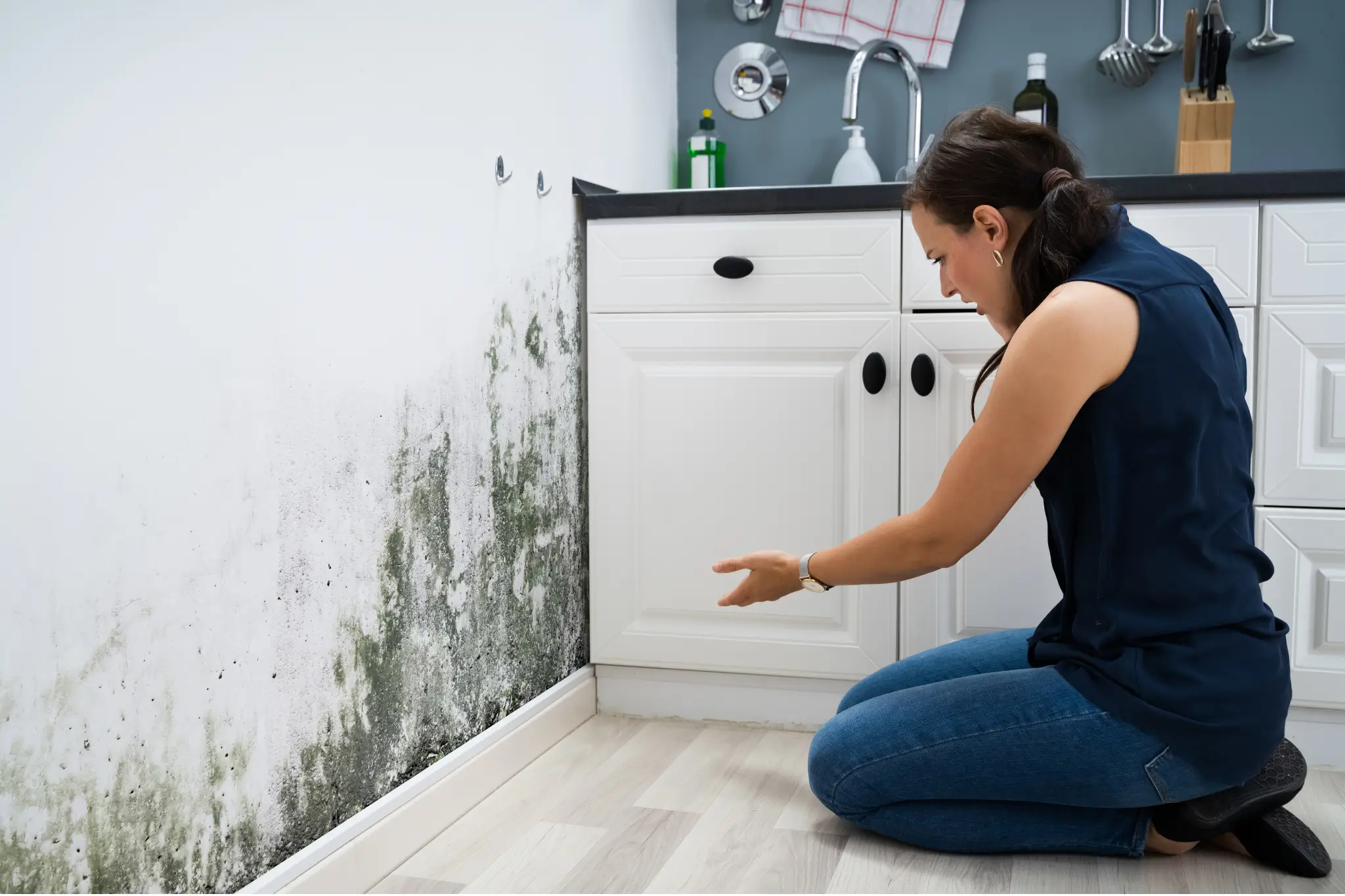
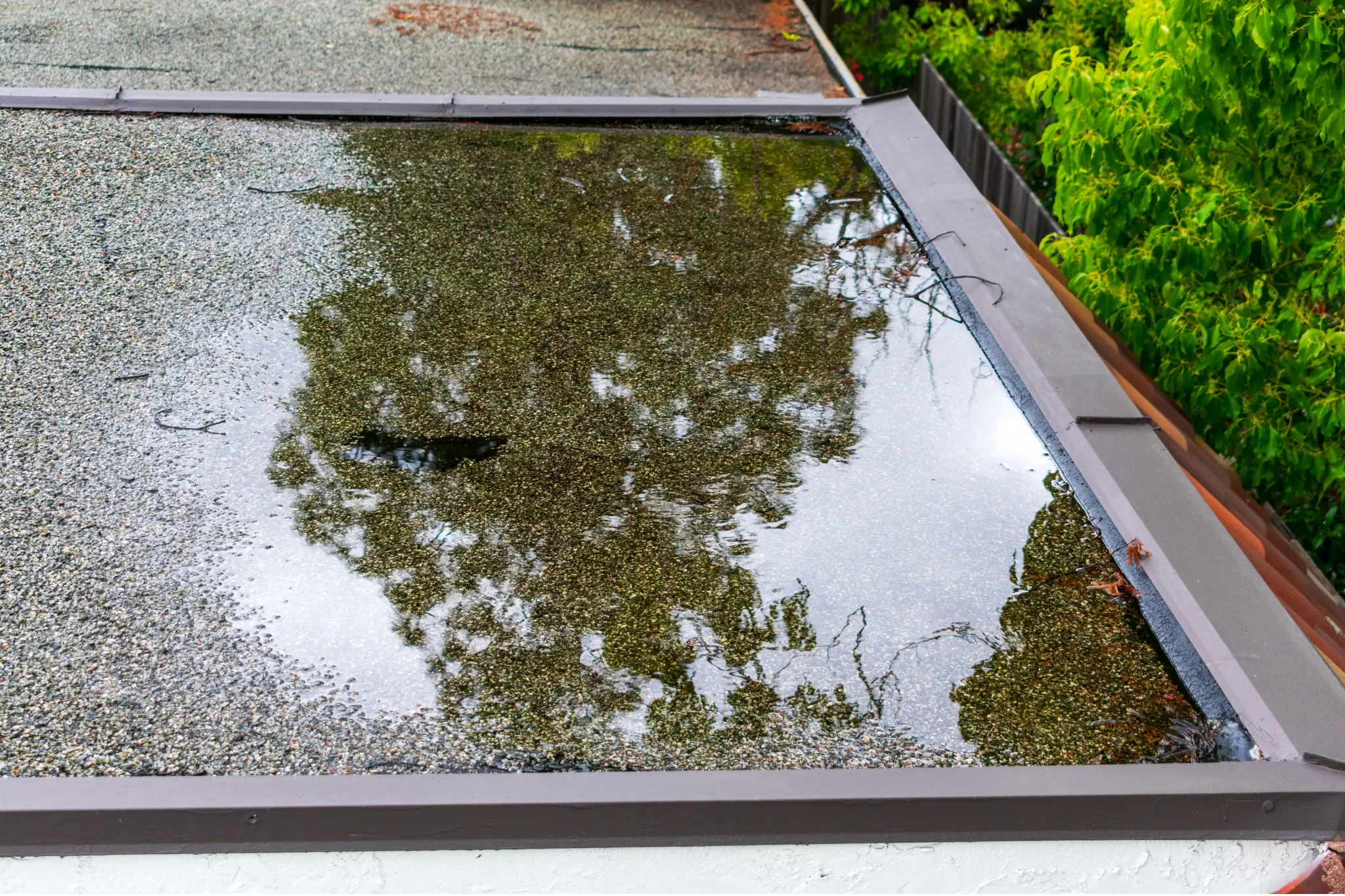
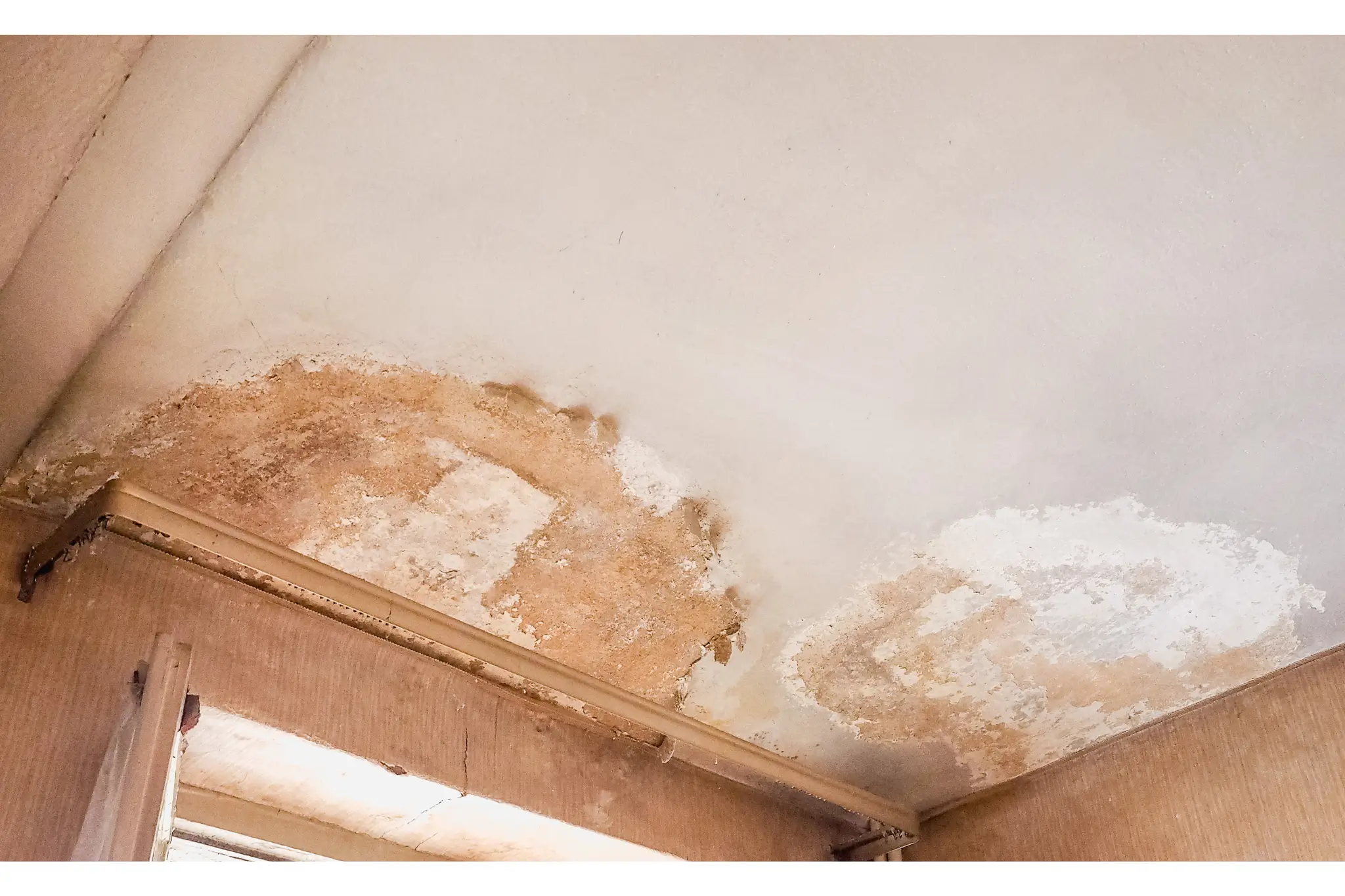
If mold keeps coming back after cleaning, the problem usually goes deeper than the spots you can see. You may wipe a bathroom wall, scrub a window frame, or clean under the sink. Everything looks better. Then the same marks appear again.
That cycle is frustrating, but it offers a useful clue. Cleaning may have removed surface growth while moisture or affected material stayed behind. A lasting solution starts with finding what still allows mold to grow.
This guide explains seven possible reasons mold keeps coming back after cleaning. You will also learn how to track the problem, avoid wasted repairs, and decide when to contact A/S General Contracting for help.
Why mold keeps coming back after cleaning
Mold spores are tiny particles that move through indoor and outdoor air. Keeping every spore out of a home is not realistic. The practical goal is to remove unwanted growth and control the damp conditions that allow it to develop.
The EPA’s guide to mold and moisture explains that cleaning without fixing the water problem makes a return likely. When mold keeps coming back after cleaning, ask two questions: Where is the water coming from, and what has stayed wet?
1. A hidden leak keeps supplying water
A leak does not need to leave a puddle to cause trouble. Water may collect inside a cabinet, behind a shower wall, or beneath flooring. The visible patch can be several feet from the place where water enters.
If mold keeps coming back after cleaning near plumbing, note when the area changes. Does the cabinet smell stronger after someone uses the sink? Does a ceiling mark darken after an upstairs shower? Those details help guide an inspection without proving the source on their own.
A/S General Contracting’s leak detection services include moisture checks and source tracing. Thermal imaging may help identify temperature patterns, but it cannot see through walls or confirm a leak by itself. Findings need to be checked against other evidence.
Before repainting, ask what repair will stop the water. Otherwise, you may pay for the same finish twice while the original problem continues.
2. Indoor humidity stays too high
Sometimes mold keeps coming back after cleaning even though no pipe is leaking. Moisture in the air can keep surfaces damp. Showers, cooking, drying clothes, and weak ventilation can all add to the problem.
The CDC’s mold prevention guidance recommends keeping indoor humidity no higher than 50% throughout the day. A small humidity meter can help you check conditions instead of guessing from how a room feels.
Take readings at different times. One comfortable afternoon does not tell you what happens after several showers or overnight. Record the room, time, humidity, and recent activity. A pattern gives you something useful to discuss with a contractor.
When mold keeps coming back after cleaning in several rooms, tracking humidity can help separate a wider air-moisture problem from one local leak. Both can exist together, so avoid choosing a cause too early.
3. Bathroom ventilation does not remove enough moisture
A bathroom fan can make noise without moving enough damp air outside. Steam that hangs around after a shower leaves walls, ceilings, and corners wet. Repeated wetting can undo the benefit of careful cleaning.
If mold keeps coming back after cleaning above the shower, look at the whole moisture routine. Is the fan used during bathing? Does condensation linger? Has anyone confirmed that the exhaust duct reaches outdoors rather than ending inside the building?
Have weak airflow or uncertain duct routing checked. Keep the fan cover clean according to its instructions, and avoid blocking the room’s air path. Drying wet shower surfaces can also reduce the amount of water left behind.
Consider a simple example: two bathrooms receive the same cleaning. One dries soon after use, while the other stays damp. The difference suggests that changing the drying conditions deserves attention alongside the cleaning method.
4. Mold remains inside absorbent materials
Tile and glass do not behave like drywall, carpet padding, or insulation. Materials with tiny spaces can hold moisture and contamination below the surface. Wiping the outside may leave part of the problem untouched.
When mold keeps coming back after cleaning on softened drywall or swollen cabinet panels, another round of spray may accomplish little. The EPA’s home mold cleanup guidance explains that some moldy absorbent materials may need to be discarded because complete cleaning is difficult.
This does not mean every marked wall needs demolition. It means the material needs an informed evaluation. Ask which parts can be cleaned, which need removal, and what evidence supports that decision.
If mold keeps coming back after cleaning along one joint, check nearby materials too. Replacing a small strip of caulk will not solve a problem that extends into a damp wall behind it.
5. An earlier leak was never fully dried
Stopping a leak and drying a building are separate jobs. A repaired pipe ends the incoming water. It does not automatically remove water already absorbed by framing, flooring, or other materials.
If mold keeps coming back after cleaning after a past overflow, ask how drying was checked. “It felt dry” provides less information than recorded moisture readings. A surface can look normal while deeper material still needs attention.
A/S General Contracting’s structural drying services use moisture measurements and monitored drying plans. Equipment and drying time depend on the affected materials and conditions. Existing mold also requires separate evaluation; drying alone does not remove it.
When mold keeps coming back after cleaning, review the earlier repair as a sequence: source correction, affected-material evaluation, cleanup, drying, and rebuilding. A missing step can help explain why the same room needs attention again.
6. Condensation keeps wetting the same surface
Condensation forms when damp air meets a surface cold enough for water droplets to collect. Think about water on the outside of a cold drink. Similar wetting can happen on windows, pipes, or cold wall areas.
If mold keeps coming back after cleaning around a window or behind furniture, look for droplets and repeated dampness. Note whether it happens mainly overnight, during cooler weather, or when the room stays closed.
The answer may involve humidity control, better air movement, or evaluation of insulation and cold surfaces. Moving furniture slightly away from a wall can improve access and airflow, but it will not repair a building defect or hidden leak.
When mold keeps coming back after cleaning on an exterior wall, bring photos and timing notes to the inspection. “This corner is wet each morning” is a more useful starting point than assuming the wall needs stronger paint.
7. Cleaning or painting hides part of the problem
A faded stain does not prove that the affected area is clean and dry. Some treatments change the appearance quickly. Paint can cover a mark while leaving the underlying moisture problem unresolved.
If mold keeps coming back after cleaning, resist layering products or sealing the surface immediately. EPA guidance advises against painting or caulking over moldy surfaces. Cleanup and drying should come first. Never mix bleach with ammonia or other cleaners.
Also remember that a remaining stain is not always fresh growth. Mold can leave cosmetic damage. If you cannot tell whether a mark is old staining or a returning problem, have it evaluated rather than repeatedly soaking the material.
When mold keeps coming back after cleaning beneath new paint, keep the repair timeline. Photos from before painting, receipts, and dates can help the next professional understand what was covered and what work was completed.
What to record when mold keeps coming back after cleaning
Create a short record before the next inspection. Photograph the affected area from the same position, note when it first appeared, and list previous cleaning or repairs. Include any connection to rain, showering, laundry, or appliance use.
For example, imagine a cabinet that smells musty only after the dishwasher runs. That pattern does not prove a dishwasher leak. It does tell the inspector which operating conditions may be worth checking. Useful observations narrow the search without replacing professional judgment.
If mold keeps coming back after cleaning, include what changed between attempts. Did a fan improve drying? Did the patch return after rain? Did the odor remain even when the surface looked clear? Each answer helps build a clearer picture.
Renters should report recurring growth and moisture concerns to the property manager in writing. Keep copies of photos and messages. Avoid opening walls or removing building materials yourself while waiting for an assessment.
When mold keeps coming back after cleaning, get help sooner
EPA guidance says many mold areas smaller than about 10 square feet can be handled by homeowners, depending on the circumstances. Size is only one factor. Repeated growth, hidden damage, contaminated water, and health concerns can change the decision.
Seek experienced help for extensive damage, suspected mold inside the heating or cooling system, or growth linked to sewage. Do not run a system suspected of mold contamination until it has been assessed. Avoid cutting into suspected hidden growth yourself.
If mold keeps coming back after cleaning and someone has asthma, allergies, or a weakened immune system, discuss exposure concerns with a healthcare professional. For suitable small cleanup jobs, EPA recommends protective gloves, goggles, and a properly fitted N95 respirator.
Before hiring, ask for a written scope. It should explain the affected area, moisture findings, planned removal or cleaning, drying needs, and repair responsibilities. Clear answers help you compare proposals beyond the final price.
How A/S General Contracting addresses recurring mold
A/S General Contracting’s mold remediation services in San Diego address visible growth and surrounding moisture conditions. Depending on the findings, work may include containment, filtration, affected-material removal, cleaning, drying, and approved property repairs.
If mold keeps coming back after cleaning, ask three practical questions: What allowed it to return? What material needs attention? How will the team check that the planned work is complete? The answers should connect each task to an identified problem.
Before rebuilding, confirm who handles the moisture-source repair and how drying will be evaluated. Keep the findings and work records so future changes can be compared with the completed project.
When mold keeps coming back after cleaning, another bottle of cleaner may only restart the cycle. Contact A/S General Contracting to evaluate the affected area and discuss a plan for the moisture, cleanup, drying, and repairs your property needs.