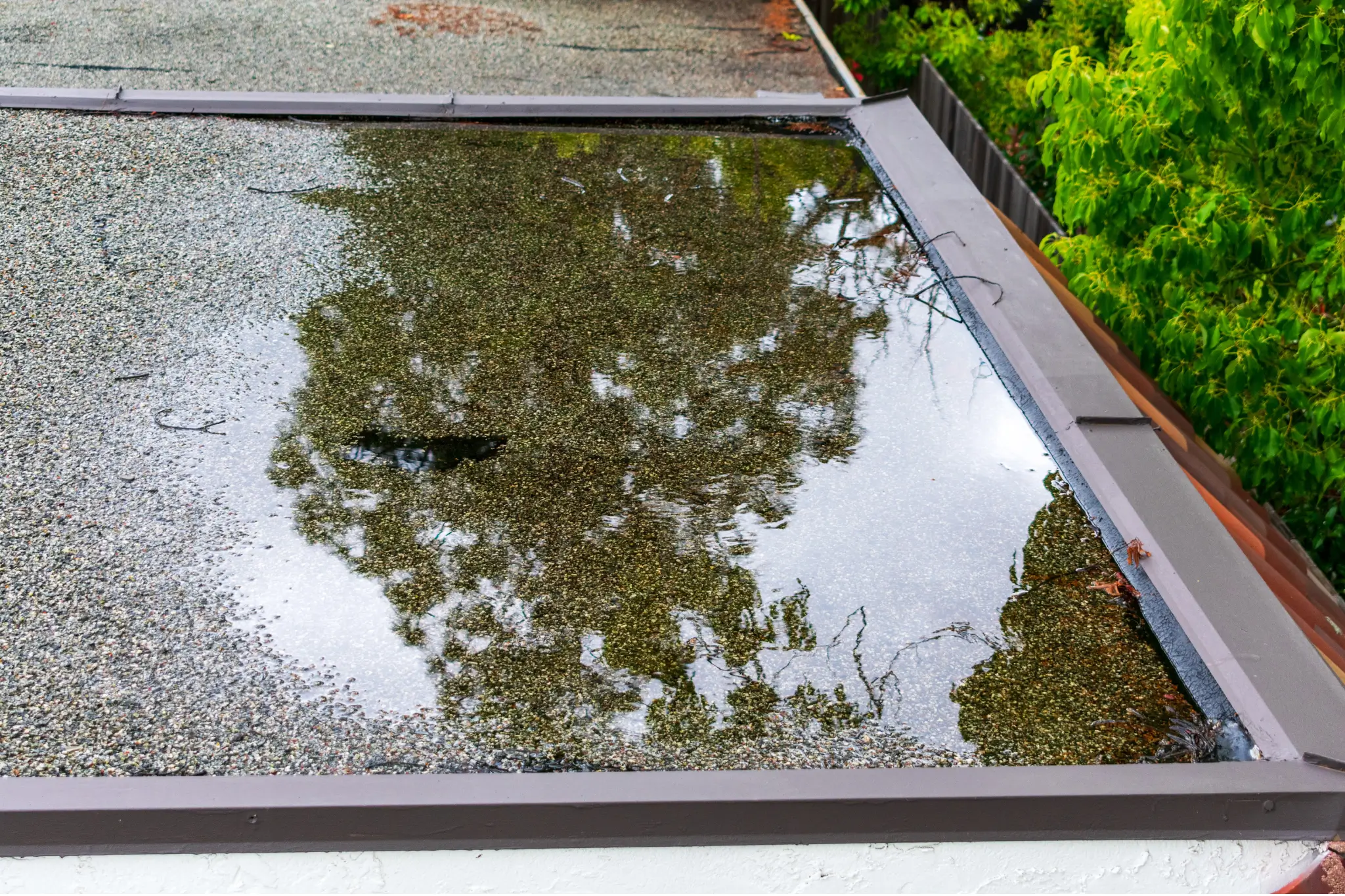
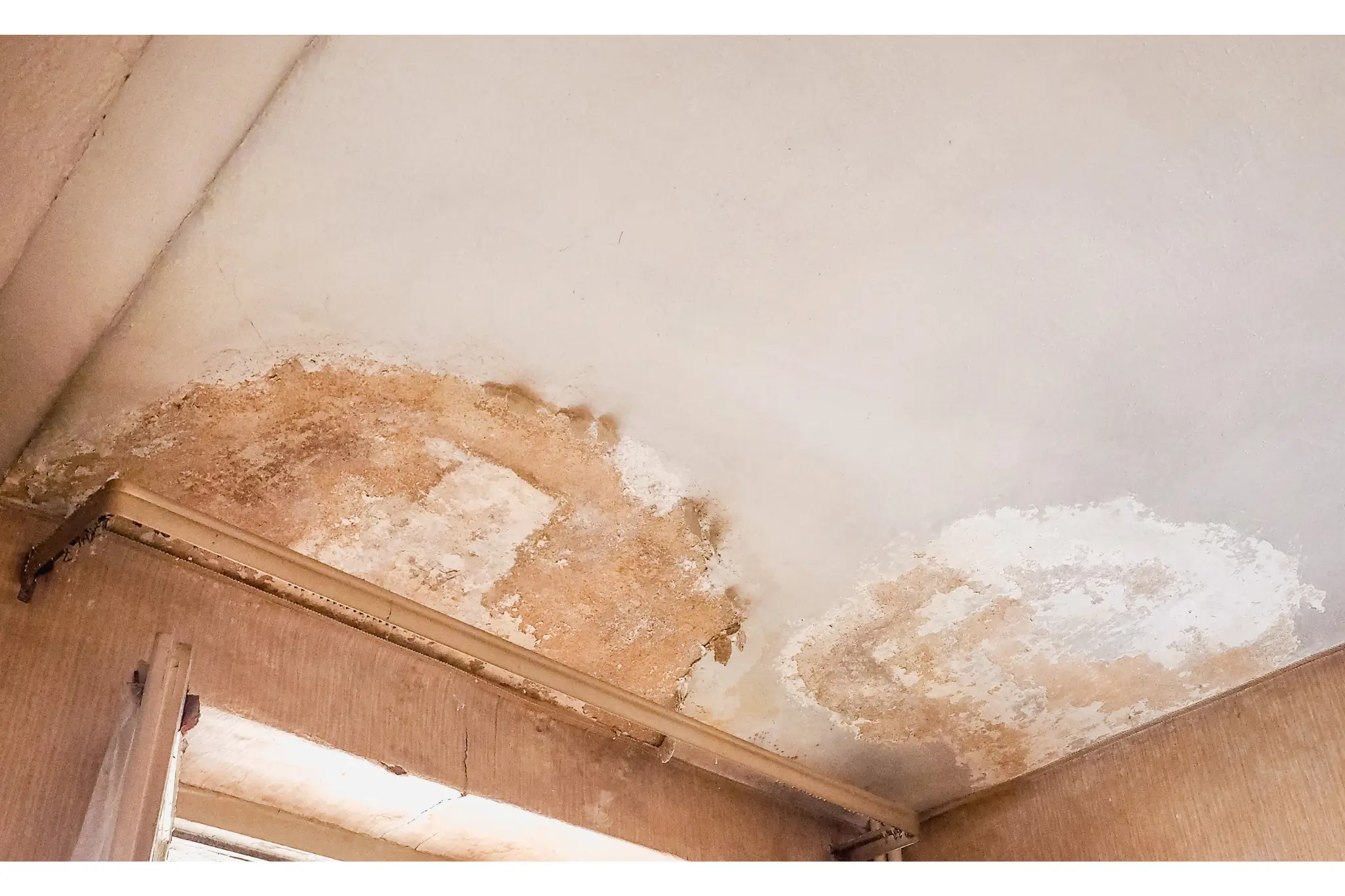
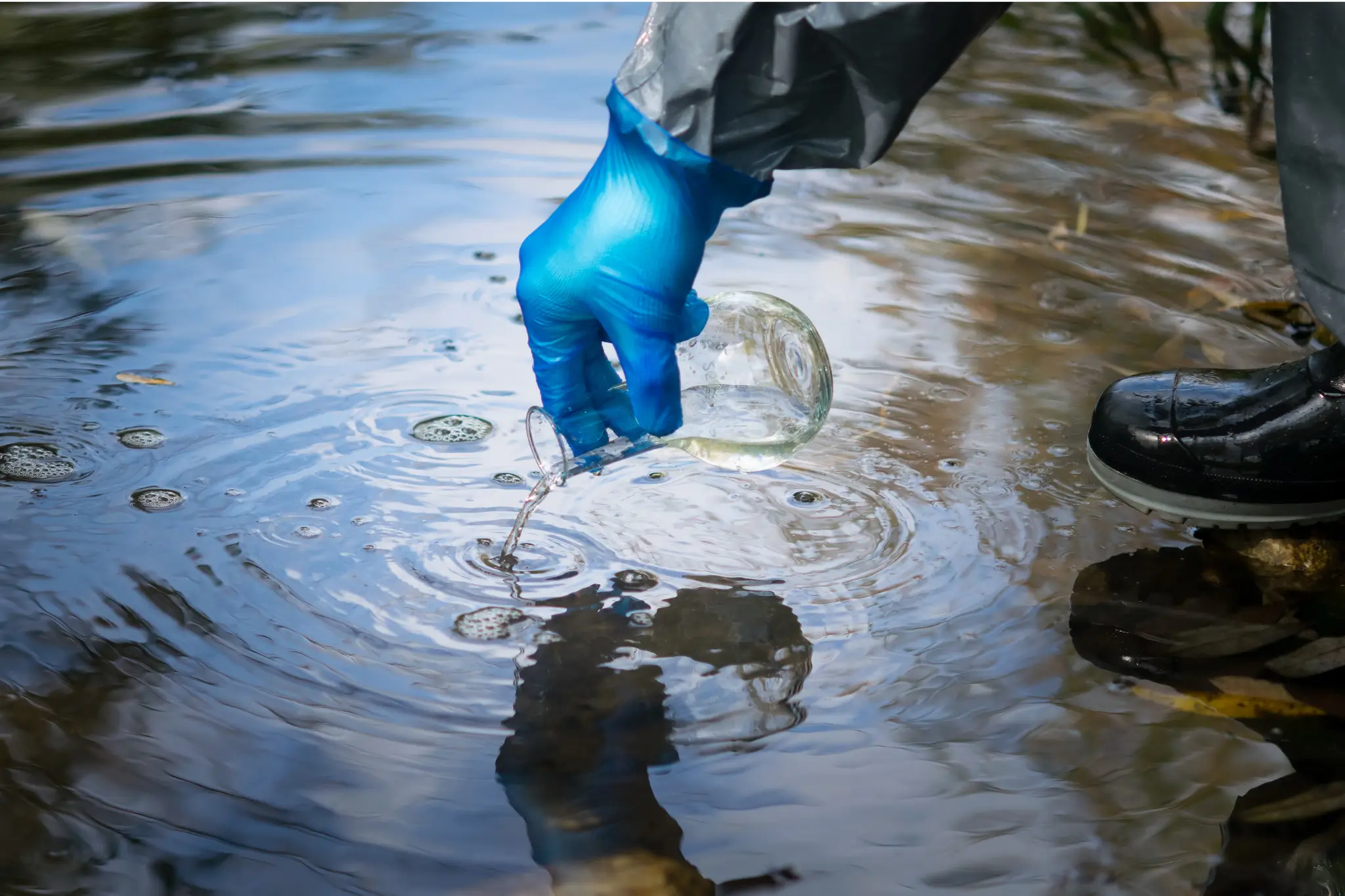
Water damage can happen without warning. A burst pipe, overflowing appliance, roof leak, or unexpected flood can quickly turn a normal day into a stressful situation. At first, you may only notice a small puddle, a damp wall, or a water stain on the ceiling. The problem is that water often travels far beyond what you can see.
If you’re dealing with recent water damage, you’re probably asking yourself an important question: when to get a water damage inspection?
You may be worried about repair costs, mold growth, structural damage, or whether hidden moisture is spreading throughout your home. Those concerns are valid. Water damage is one of the few property issues that continues getting worse the longer it goes unnoticed.
At A/S General Contracting, we’ve helped homeowners throughout San Diego identify hidden water damage, stop moisture from spreading, and restore their homes safely. We understand how quickly water can affect walls, floors, insulation, and even structural materials.
In this guide, you’ll learn:
- When to get a water damage inspection
- Why timing matters after water intrusion
- What happens during an emergency water damage assessment
- The water damage inspection timeline homeowners should know
- How inspections help with water restoration planning
- Signs hidden moisture may already be spreading
Let’s start with the most important answer.
When to Get a Water Damage Inspection
The best time to schedule a water damage inspection is immediately after discovering water intrusion.
Many homeowners wait because the damage appears minor.
That can be a costly mistake.
Water begins spreading as soon as it enters a structure. Drywall absorbs moisture. Wood framing can become saturated. Flooring materials trap water beneath the surface.
Even if the affected area appears small, hidden moisture may already be moving through the home.
For most situations, a professional inspection should be scheduled within the first 24 hours whenever possible.
Why Timing Matters
Water damage doesn’t stay in one place.
Think about pouring water onto a paper towel. The water spreads outward far beyond the original drop.
Homes react similarly.
Moisture can move through:
- Drywall
- Flooring
- Insulation
- Ceiling cavities
- Structural framing
The sooner an inspection takes place, the sooner hidden problems can be identified.
Early detection often means:
- Lower repair costs
- Less structural damage
- Reduced mold risk
- Faster restoration
Delaying an inspection gives moisture more time to spread.
Water Damage Inspection Timeline
Understanding the water damage inspection timeline can help homeowners make informed decisions.
First 24 Hours
During the first day:
- Water begins soaking into porous materials
- Drywall starts absorbing moisture
- Flooring may begin swelling
- Hidden moisture pockets form
This is the ideal time for an emergency water damage assessment.
24 to 48 Hours
After one to two days:
- Humidity levels increase
- Materials remain saturated
- Odors may begin developing
- Mold growth conditions improve
Moisture that remains hidden often becomes more difficult to detect without professional equipment.
After 72 Hours
Several days after water intrusion:
- Mold risks increase significantly
- Structural materials may weaken
- Damage spreads farther from the source
- Restoration costs often rise
This is why immediate action matters.
First Steps After Water Damage
Many homeowners are unsure what to do immediately after discovering water damage.
The first steps after water damage should include:
Stop the Water Source
If possible, shut off the water supply or stop the leak.
Protect Your Safety
Avoid standing water near electrical systems.
Document the Damage
Take photographs and videos.
Remove Valuable Items
Move furniture, electronics, and personal belongings away from affected areas.
Schedule an Inspection
Professional moisture detection helps identify hidden problems early.
These actions can help reduce losses while restoration planning begins.
What Happens During an Emergency Water Damage Assessment?
An emergency water damage assessment goes beyond what homeowners can see on the surface.
Inspectors evaluate:
Visible Water Damage
Affected walls, floors, ceilings, and furnishings are documented.
Hidden Moisture
Specialized tools locate moisture inside building materials.
Structural Concerns
Inspectors evaluate whether water has affected framing or support systems.
Mold Risk Areas
Moisture-prone locations are identified.
Water Source Classification
The type of water involved helps determine cleanup requirements.
This information becomes the foundation of the restoration process.
Hidden Water Damage Is Often the Biggest Problem
One of the biggest misconceptions about water damage is believing the visible area tells the whole story.
Water rarely stays where it starts.
Moisture can travel:
- Behind walls
- Under flooring
- Through insulation
- Into attics and crawl spaces
By the time stains become visible, hidden damage may already be extensive.
This is one reason professional inspections are so valuable.
How Inspections Help Prevent Mold Growth
Mold is one of the most common concerns after water damage.
When moisture remains trapped, mold can begin developing surprisingly quickly.
Our article:
How Fast Does Mold Grow After a Water Leak or Flood?
explains how moisture creates conditions that support mold growth.
Early inspections help identify wet materials before mold becomes established.
This can save homeowners significant restoration costs later.
Water Restoration Planning Starts With Inspection
A proper inspection is the first step in water restoration planning.
Without accurate information, restoration teams may miss hidden damage.
A professional assessment helps determine:
- The extent of moisture intrusion
- Drying requirements
- Repair priorities
- Potential mold concerns
- Estimated restoration timelines
Good planning starts with accurate information.
Common Signs You Need an Inspection Immediately
Some warning signs indicate that professional evaluation should not wait.
Water Stains
Discoloration on ceilings or walls often indicates hidden moisture.
Warped Flooring
Wood and laminate flooring can swell when exposed to water.
Musty Odors
Persistent odors may indicate trapped moisture.
Peeling Paint
Water behind walls often causes paint failure.
Visible Mold
Mold growth signals ongoing moisture issues.
If any of these conditions exist, an inspection should be scheduled as soon as possible.
Water Damage and Roofing Problems
Not all water damage comes from plumbing leaks.
Roofing issues often allow moisture to enter unnoticed.
Our article:
5 Ways Roofing Leaks Can Damage Siding (And What San Diego Homeowners Should Do)
explains how water can spread throughout a home’s exterior systems.
Roof leaks frequently create hidden moisture problems inside walls and ceilings.
Basement and Foundation Moisture Concerns
Water damage inspections also help identify moisture entering through lower levels of the home.
Our article:
10 Basement Water Damage Prevention Tips That Actually Work in San Diego
covers common moisture issues affecting basements and foundations.
Inspections help identify these concerns before they become major restoration projects.
What Inspectors Use to Find Hidden Moisture
Professional inspections rely on specialized tools.
These may include:
Moisture Meters
Used to measure moisture levels inside materials.
Thermal Imaging Cameras
Help locate hidden moisture behind walls and ceilings.
Humidity Monitoring Equipment
Measures indoor environmental conditions.
Visual Inspection Techniques
Experienced inspectors identify subtle warning signs homeowners often miss.
These tools help create a more accurate picture of the damage.
A Local Perspective in San Diego
Water damage affects homes throughout San Diego.
Properties near Balboa Park sometimes experience seasonal weather changes that contribute to roof leaks and moisture intrusion. Even small openings can allow water to enter during periods of heavy rain.
Families with students attending San Diego High School often balance busy schedules filled with work, sports, and activities. Water damage can easily go unnoticed until visible signs appear. Early inspections help homeowners catch problems before they disrupt daily life.
These local conditions make proactive inspections especially important.
What Does a Water Damage Inspection Cost?
Inspection costs vary depending on:
- Property size
- Extent of damage
- Specialized testing needs
- Accessibility
Many homeowners find that inspection costs are small compared to the expense of repairing hidden damage that goes undetected.
Early detection often reduces overall restoration expenses.
Why Homeowners Choose A/S General Contracting
At A/S General Contracting, we understand how stressful water damage can be.
Our team helps San Diego homeowners identify moisture issues, hidden damage, and restoration needs before problems become more severe.
We focus on:
- Thorough inspections
- Honest assessments
- Clear communication
- Practical restoration solutions
Every property is different, and our goal is helping homeowners understand exactly what is happening inside their homes.
Explore Our Services
If you’re dealing with water damage, hidden moisture, or concerns about mold growth, we offer our services to help protect and restore your property.
Our services include:
Fire Damage Repair
Black Mold Remediation
Water Leak Repair
These services work together to address both immediate damage and the long-term effects that often follow water intrusion.
Contact A/S General Contracting Today
If you’re wondering when to get a water damage inspection, the answer is simple: as soon as water damage is discovered.
The faster moisture is identified, the easier it is to stop it from spreading.
Call A/S General Contracting today at (858) 923-5166 to schedule an inspection and learn more about protecting your home from costly water damage.
A small leak today can become a much larger restoration project tomorrow. Acting quickly can help save time, money, and unnecessary stress.