Water inside a house rarely stays in one place. A pipe bursts under a sink, a roof leak drips during a storm, or a washing machine hose breaks while nobody is home. Minutes later, water begins to travel across floors and into nearby rooms. Homeowners often discover the problem after seeing a puddle, warped flooring, or stains on a ceiling. The next question that usually comes to mind is simple: how fast does water damage spread in a home?
Many property owners in San Diego experience this moment of panic. They feel worried about their floors, walls, furniture, and belongings. Some wonder if the problem has already reached areas they cannot see. Others worry about mold or structural damage forming behind walls.
Water damage does not wait politely in one spot. It moves through building materials, spreads through flooring, and seeps into drywall and insulation. Time plays a large role in how serious the damage becomes.
A/S General Contracting works with homeowners throughout San Diego who face water damage emergencies. The company focuses on restoration services that help property owners recover after leaks, floods, and plumbing failures. Through years of hands-on experience responding to water damage situations, the team has seen how quickly moisture can travel through a building.
This guide explains how fast does water damage spread in a home, what happens during each stage of moisture exposure, and what property owners should watch for when dealing with leaks or flooding. By the end, readers will understand the timeline of damage and why fast action protects both property and health.
Why Water Spreads So Quickly in a Home
To understand how fast does water damage spread in a home, it helps to know how building materials react to moisture.
Homes contain many materials that absorb water easily. Drywall, wood, insulation, carpet, and padding all act like sponges. Once water touches these surfaces, it begins soaking in almost immediately.
Gravity also plays a role. Water flows downward through floors and ceilings. A leak on the second floor can eventually affect the level below.
Air movement spreads moisture as well. Warm indoor air carries humidity through rooms, which can cause condensation on cooler surfaces.
These combined factors explain why homeowners who ask how fast does water damage spread in a home often discover damage far beyond the original leak.
The First Hour of Water Exposure
The first hour after a leak or flood begins is one of the most important stages.
Water quickly spreads across floors and carpets. Porous materials begin absorbing moisture right away. Furniture legs and wooden trim may start soaking up water within minutes.
Electrical systems can also be affected if water reaches outlets or appliances.
Many homeowners who experience sudden flooding search online to understand how fast does water damage spread in a home during these early moments.
Acting quickly during this stage can prevent long-term damage.
The First 24 Hours
Within the first day, moisture begins affecting structural materials.
Wood flooring may swell or warp. Drywall starts absorbing water and may soften. Paint and wallpaper can bubble or peel.
Carpet padding traps water underneath the surface, creating damp conditions that spread across the floor.
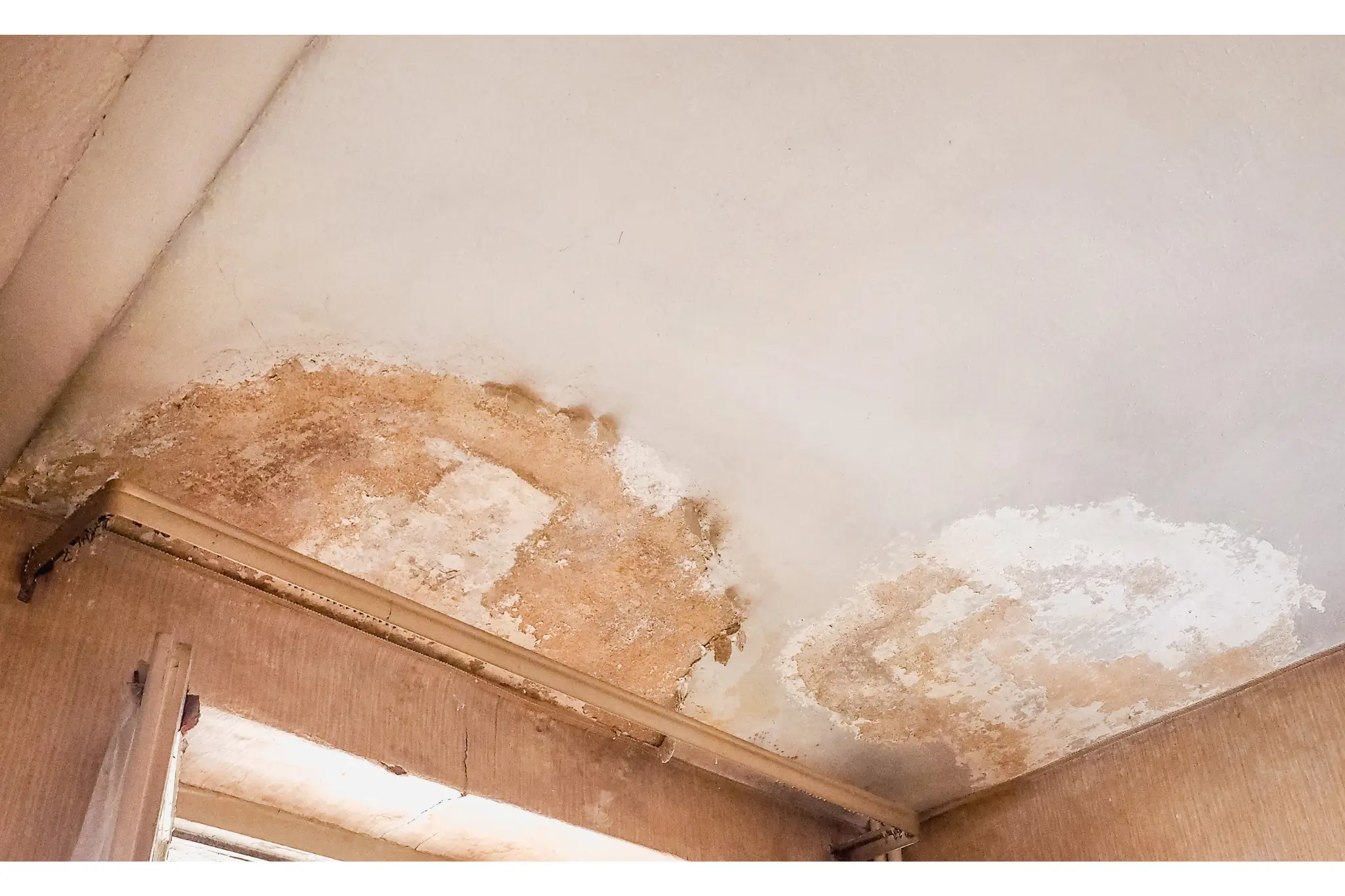
During this stage, property owners often begin noticing stains on walls or ceilings. These marks signal that water has already moved beyond the original leak.
Guides like 7 Emergency Water Removal Steps Every San Diego Homeowner Should Know help homeowners understand the immediate actions that reduce damage during the first day of a water emergency.
People asking how fast does water damage spread in a home often discover that the damage has already begun spreading behind walls within hours.
48 Hours After Water Damage
Two days after a leak or flood, the situation often becomes more serious.
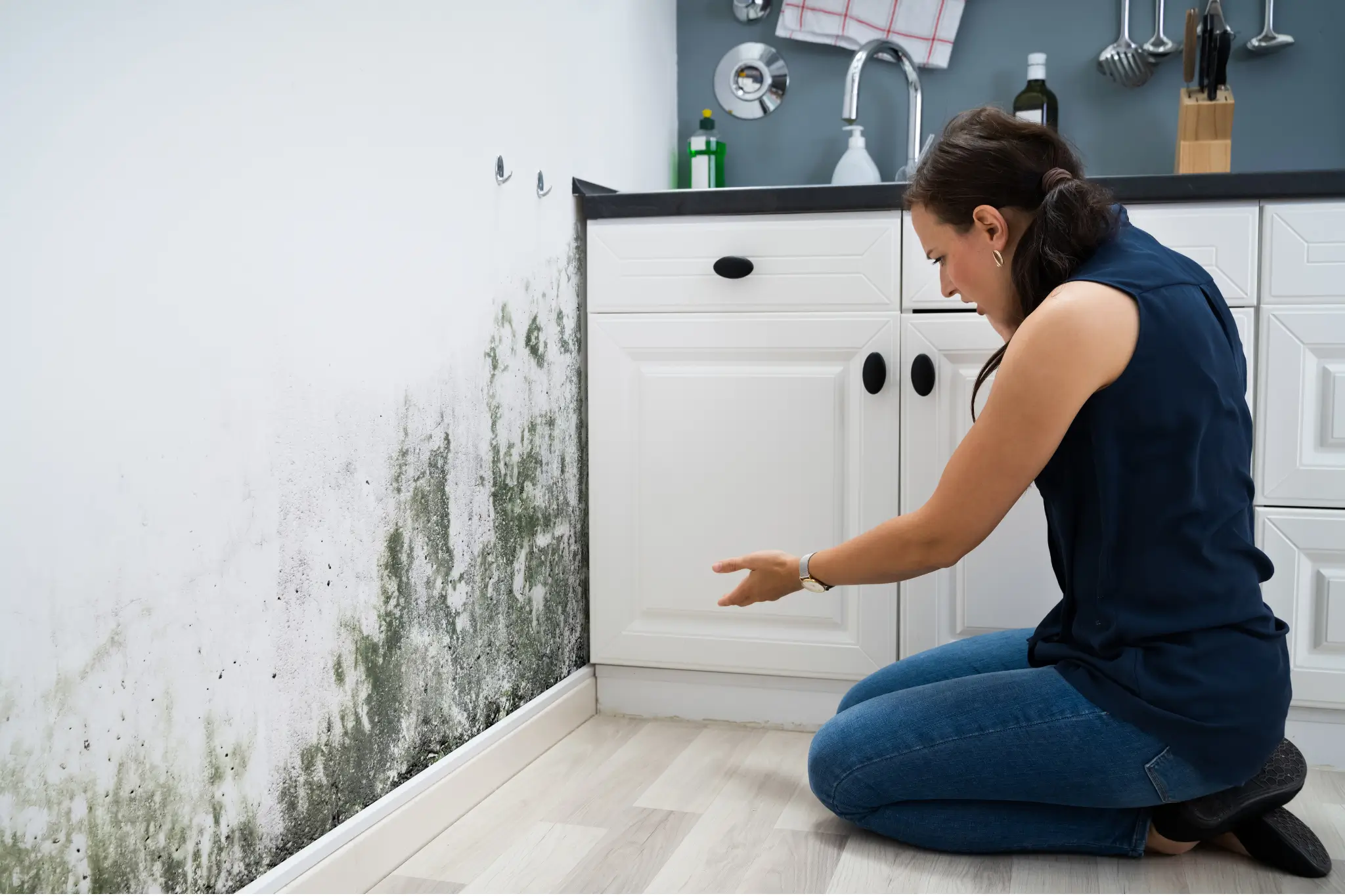
Moisture trapped inside building materials creates damp environments that encourage mold growth. Mold can begin developing quickly when surfaces remain wet.
Drywall weakens and may crumble. Wood framing begins absorbing water deeper inside its structure.
Unpleasant odors sometimes appear during this stage as moisture spreads through carpets and insulation.
Property owners often search again for answers about how fast does water damage spread in a home when they notice musty smells or new stains appearing in other areas of the house.
These signs often point to hidden moisture inside walls or floors.
Several Days After a Leak
When water damage goes untreated for several days, problems grow larger.
Floors may begin lifting or buckling. Cabinets and wood trim may swell. Mold colonies can spread through insulation and drywall.
This stage also increases repair costs. Materials that might have been dried and saved earlier may now require replacement.
The longer moisture remains inside the building, the more extensive the restoration process becomes.
Homeowners who search how fast does water damage spread in a home often realize that waiting too long increases both health risks and repair expenses.
Hidden Water Damage
Many property owners focus only on visible water.
Hidden moisture often causes the most damage. Water can travel behind drywall, under flooring, and inside wall cavities.
These hidden areas trap moisture for long periods. Over time, the trapped moisture can weaken structural materials and encourage mold growth.
Homeowners who suspect hidden moisture can learn more by reading Hidden Water Damage Signs San Diego Homeowners Should Never Ignore. Early detection helps reduce long-term repair costs.
When people ask how fast does water damage spread in a home, hidden damage is one of the biggest reasons the situation escalates quickly.
Water Damage From Basement Flooding
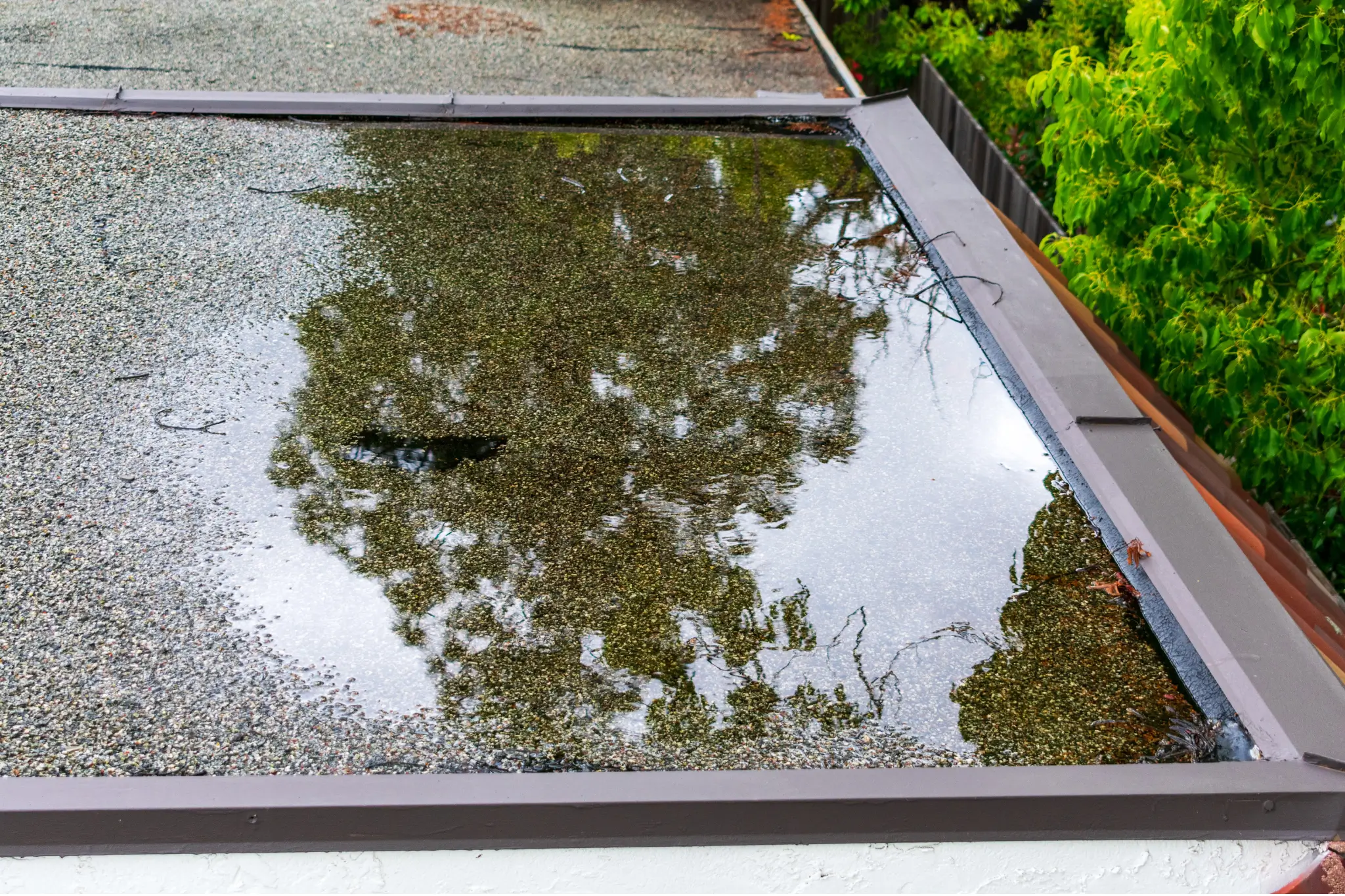
Basements and lower levels often collect water during heavy rain or plumbing failures.
Water enters through foundation cracks, drainage systems, or sewer backups. Once inside, the water spreads across flooring and into nearby rooms.
This type of damage can affect storage areas, utility systems, and foundation materials.
Homeowners dealing with these situations often search how fast does water damage spread in a home after discovering standing water downstairs.
Helpful advice on addressing basement flooding appears in 7 Ways to Fix Water Leaking Into the Basement After Heavy Rain.
Fast removal of water helps prevent long-term structural damage.
Local Conditions in San Diego Homes
San Diego properties face several factors that influence water damage.
Coastal humidity can slow drying times after leaks. Heavy winter storms sometimes overwhelm drainage systems and cause flooding.
Neighborhoods near large outdoor spaces occasionally see flooding from heavy rainfall. Areas around Balboa Park sometimes experience drainage issues after intense storms, which can affect nearby properties.
Schools and public buildings face similar risks. Facilities near San Diego High School occasionally deal with plumbing leaks or roof issues that require quick maintenance to prevent water damage from spreading through classrooms.
These local situations highlight why homeowners often ask how fast does water damage spread in a home after storms or plumbing problems.
Professional Water Damage Restoration
Professional restoration teams use specialized tools to remove water and dry affected areas.
High-powered pumps remove standing water. Industrial drying equipment pulls moisture from walls and flooring. Moisture meters help locate hidden damp areas.
A/S General Contracting provides restoration support for property owners dealing with water emergencies across San Diego. The company focuses on helping homeowners recover quickly after leaks, floods, and plumbing failures.
Common services include:
- Basement Water Damage Restoration
https://asgeneralcontracting.com/services/basement-water-damage-san-diego/ - Water Leak Repair
https://asgeneralcontracting.com/services/water-leak-repair-in-san-diego/ - Water Extraction Services
https://asgeneralcontracting.com/services/water-extraction-services-in-san-diego/
These restoration services help remove moisture and prevent further damage to the property.
Why Fast Action Protects Your Home
Time plays a large role in determining how severe water damage becomes.
When homeowners act quickly, restoration teams can often dry materials before permanent damage occurs.
Delays allow moisture to spread deeper into walls, flooring, and insulation.
The question how fast does water damage spread in a home often leads to the same conclusion: the sooner the response, the better the outcome.
Quick cleanup reduces repair costs and helps protect indoor air quality.
Contact A/S General Contracting for Help
Water damage can spread rapidly once moisture enters a home. Floors, walls, and ceilings may absorb water within minutes, and hidden damage may develop behind surfaces within hours.
Property owners who understand how fast does water damage spread in a home often choose to respond quickly when leaks or flooding occur.
A/S General Contracting provides restoration services for homeowners across San Diego dealing with water damage emergencies.
If your home has experienced a leak or flooding issue, contact the team today to learn more about our services and how restoration professionals can help remove water and restore your property.
Call (858) 923-5166 to speak with A/S General Contracting and schedule a water damage inspection.