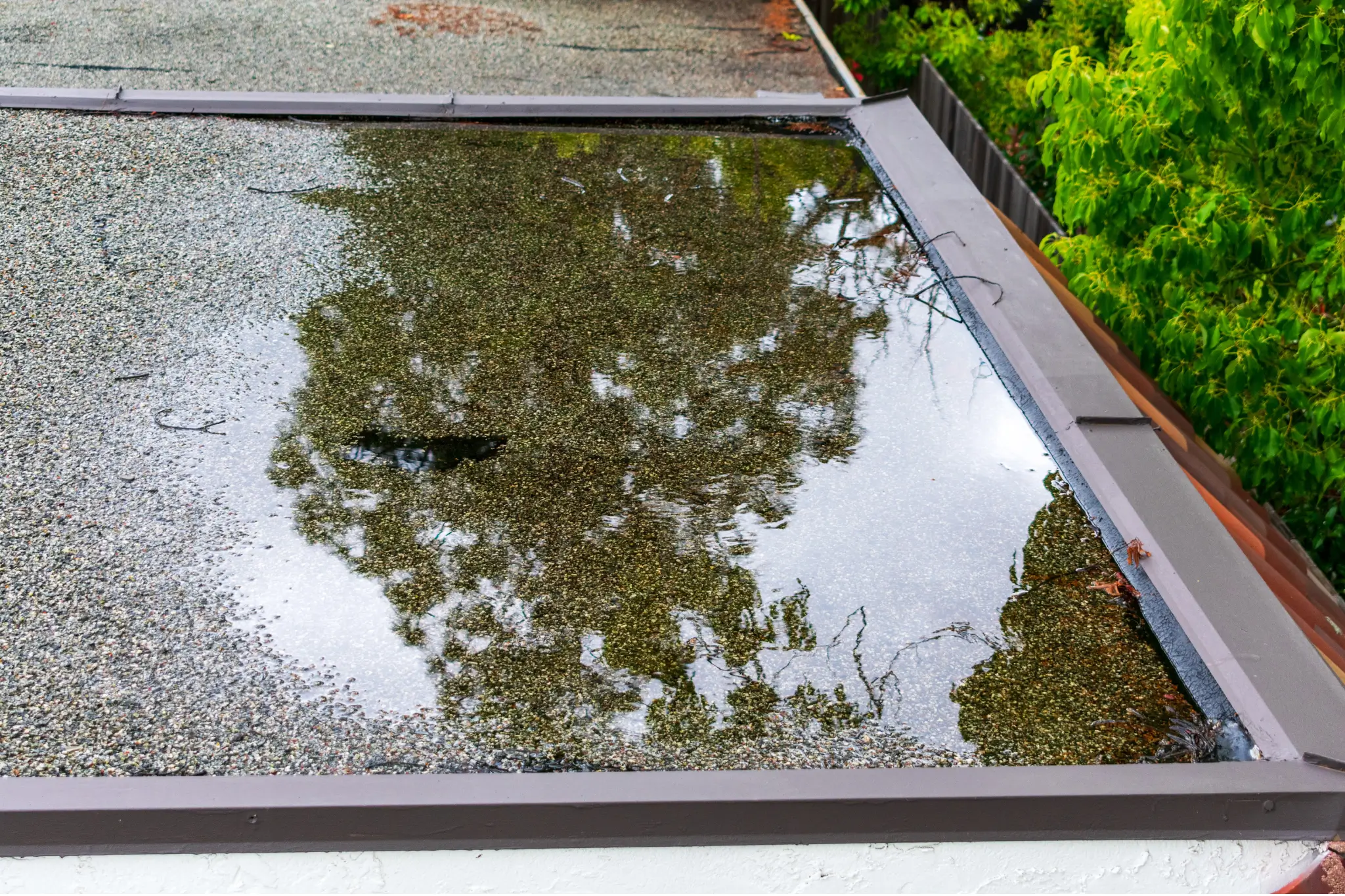
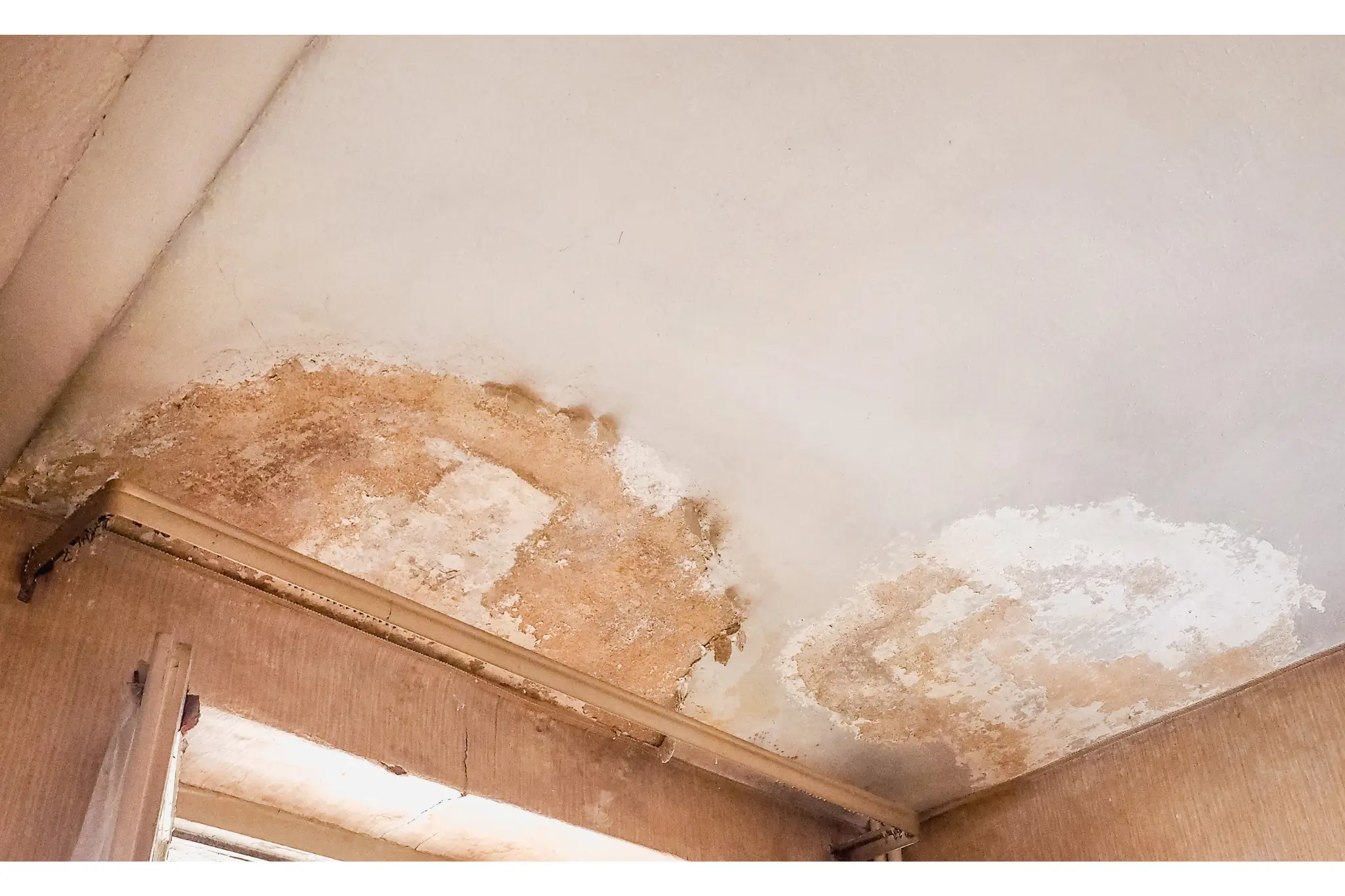
Many San Diego homeowners wonder: Can roofing leaks damage siding? The short answer is yes – roofing leaks can absolutely damage your home’s siding in several serious ways. When water escapes through damaged roof materials, it doesn’t just stay contained to your attic or ceiling. Instead, it travels down walls and behind exterior surfaces, causing expensive problems that many homeowners don’t discover until significant damage has already occurred.
Understanding how roofing leaks can damage siding helps you protect your San Diego home from costly repairs. Water damage spreads quickly through building materials, and what starts as a small roof leak can turn into major siding replacement within weeks or months. A/S General Contracting has seen firsthand how these problems develop across San Diego County, and we want to help you avoid the headaches that come with extensive water damage restoration.
1. Water Penetration Behind Siding Creates Hidden Damage
When roofing leaks occur, water doesn’t always drip straight down. It follows paths of least resistance, which often means traveling horizontally along roof decking, down wall framing, and eventually behind your siding materials. This hidden water penetration creates perfect conditions for rot and structural damage that you won’t see until it’s extensive.
According to the EPA’s water damage response guidelines, building materials that remain wet for more than 24-48 hours begin developing serious problems. The trapped moisture behind siding creates an environment where wood framing starts to soften and metal components begin corroding.
Can roofing leaks damage siding through this hidden pathway? Absolutely. The wall sheathing and insulation become saturated, which causes the siding itself to warp, buckle, or pull away from the house. Even high-quality vinyl or fiber cement siding materials lose their structural integrity when the underlying support systems become compromised by water damage.
San Diego’s coastal climate makes this problem worse because salt air accelerates the corrosion of metal fasteners and trim components. When roof leaks introduce additional moisture, the combination creates perfect conditions for rapid deterioration. Homeowners often notice that their siding looks “wavy” or has gaps appearing at joints – these are warning signs that water has been working behind the scenes.
2. Mold Growth Spreads From Roof Leaks to Siding Materials
One of the most serious ways that roofing leaks can damage siding involves mold growth. When water from roof leaks saturates the wall cavity, it creates ideal conditions for mold colonies to establish and spread throughout your home’s exterior envelope.
The EPA’s mold prevention guidelines explain that mold can begin forming within 24 to 48 hours when moisture is present. Once mold takes hold in the wall assembly, it spreads through insulation, wood framing, and even into siding materials themselves.
Different siding materials respond to mold contamination in different ways. Wood siding becomes stained and develops soft spots where mold has broken down the wood fibers. Vinyl siding may show black or green discoloration that cannot be cleaned away. Stucco and other masonry siding materials develop persistent odors and require professional remediation.
Can roofing leaks damage siding through mold growth? Yes, and the problem often requires complete removal and replacement of affected materials. A/S General Contracting frequently works with homeowners who thought they just needed roof repair, only to discover that mold remediation services are also necessary for the entire wall assembly.
The health implications make this type of damage particularly concerning. Mold spores from contaminated siding materials can enter your home through windows, doors, and HVAC systems. This is why professional water damage restoration addresses both the roof leak source and all affected building materials.
3. Thermal Expansion and Contraction Damages Weakened Siding
San Diego’s temperature fluctuations might seem mild compared to other regions, but they still cause building materials to expand and contract throughout the day. When roofing leaks have weakened siding materials, this normal thermal movement becomes destructive.
Water-damaged siding loses its flexibility and strength. As temperatures change from cool morning fog to warm afternoon sun, the compromised materials can’t handle the expansion and contraction stresses. Cracks develop at joints, nail holes enlarge, and panels begin separating from the building.
This creates a cycle where roofing leaks damage siding, which then allows more water to penetrate the wall system. Each weather cycle makes the problem worse, leading to accelerated deterioration that can require extensive repairs. The water damage experts note that thermal stress on water-weakened materials often doubles the repair scope.
Can roofing leaks damage siding through thermal stress? The answer is yes, especially when the initial water intrusion goes undetected for weeks or months. What might have been a simple roof patch becomes a comprehensive siding replacement project because the materials can no longer perform their intended function.
A/S General Contracting often discovers this type of damage during our water damage assessments. Homeowners are surprised to learn that their siding problems actually started with a small roof leak that allowed water to weaken the wall assembly over time.
4. Staining and Discoloration Ruins Siding Appearance
Even when roofing leaks don’t cause structural damage to siding, they often create permanent staining and discoloration that ruins your home’s curb appeal. Water carries dissolved minerals, dirt, and organic matter that leaves lasting marks on siding materials.
Different types of siding show water staining in various ways. Vinyl siding develops streaks and patches that won’t wash off with normal cleaning. Wood siding shows water stains as dark bands or blotches that penetrate deep into the material. Stucco and masonry siding materials often develop white mineral deposits called efflorescence, along with darker water stains.
Can roofing leaks damage siding appearance permanently? In many cases, yes. The staining occurs because water dissolves materials as it flows, then deposits them when it evaporates. These mineral deposits and organic stains become part of the siding surface and can’t be removed without aggressive cleaning methods that might damage the material itself.
San Diego’s hard water makes staining problems worse because the mineral content is higher than in many other regions. When roof leaks channel this mineral-rich water down your siding, the deposits build up quickly and become very noticeable against light-colored materials.
Professional water damage repair services can often restore stained siding, but prevention is always less expensive than restoration. This is why A/S General Contracting emphasizes the importance of addressing roof leaks immediately, before they have time to create visible damage to your siding.
5. Electrical System Damage Creates Safety Hazards
One of the most dangerous ways that roofing leaks can damage siding involves electrical systems. Many homes have electrical outlets, light fixtures, or other components mounted on exterior walls. When water from roof leaks reaches these areas, it creates serious safety hazards.
Water and electricity never mix safely. When roofing leaks allow moisture to reach electrical components behind or within siding, several dangerous situations can develop. Circuit breakers may trip repeatedly, outlets may spark or fail to work, and in worst cases, electrical fires can start within the wall cavity.
The CDC’s flood safety guidelines emphasize that water-damaged electrical systems require professional evaluation before they can be used safely. This applies to water damage from roof leaks just as much as flooding from other sources.
Can roofing leaks damage siding-mounted electrical systems? Absolutely, and this type of damage requires immediate professional attention. A/S General Contracting works with qualified electricians to ensure that water-damaged electrical systems are properly evaluated and repaired as part of comprehensive restoration projects.
The electrical damage often extends beyond just the immediate leak area. Water can travel along conduit and wiring, affecting electrical systems throughout your home. This is why professional assessment is essential whenever roof leaks have potentially reached electrical components.
What San Diego Homeowners Should Do About Roof Leak Siding Damage
Now that you understand how roofing leaks can damage siding, let’s talk about what you should do if you suspect this problem in your San Diego home. Quick action can prevent minor issues from becoming major restoration projects.
First, inspect your home regularly for signs of roof leaks. Look for water stains on ceilings, walls, or siding. Check your attic space if possible, watching for wet insulation, water stains on wood framing, or musty odors that might indicate mold growth. Early detection saves money and prevents extensive damage.
If you discover signs that roofing leaks have damaged your siding, don’t wait to get professional help. Contact A/S General Contracting for a free inspection and assessment. Our certified technicians can determine the extent of damage and develop a comprehensive restoration plan that addresses both the roof leak source and any siding damage.
Professional restoration typically involves several steps. First, we identify and repair the roof leak to prevent additional water intrusion. Then we assess the extent of damage to wall assemblies, insulation, and siding materials. Finally, we develop a restoration plan that brings your home back to pre-damage condition.
Don’t try to handle this type of damage yourself. Water damage restoration requires specialized equipment, knowledge of building science, and experience with insurance processes. A/S General Contracting handles every aspect of the restoration, from emergency water removal through final repairs and cleanup.
We also provide insurance claim support to help you navigate the claims process and maximize your coverage. Many homeowners don’t realize that roof leak damage to siding is often covered under their homeowner’s insurance policy, especially when the damage results from weather events or sudden pipe failures.
Prevention Tips for San Diego Homeowners
The best way to prevent roofing leaks from damaging your siding is through regular maintenance and inspection. Schedule professional roof inspections at least once per year, or after major weather events. Look for damaged or missing shingles, clogged gutters, and damaged flashing around chimneys or vents.
Keep your gutters clean and properly functioning. Clogged gutters cause water to back up under roofing materials, which can lead to leaks that affect your siding. Make sure downspouts direct water away from your home’s foundation and siding materials.
Consider upgrading older roofing materials before they fail completely. Modern roofing systems provide better protection against water intrusion and last longer than older materials. A/S General Contracting can evaluate your roof’s condition and recommend improvements that protect your entire home.
Understanding that roofing leaks can damage siding helps you make informed decisions about home maintenance and repairs. When problems do occur, quick professional action minimizes damage and keeps repair costs reasonable. Don’t wait until small problems become big ones – contact A/S General Contracting today for expert assessment and restoration services.
Our team has over 15 years of experience helping San Diego homeowners recover from water damage. We provide comprehensive restoration services, work with all major insurance companies, and guarantee our workmanship. Contact us for your free inspection and assessment.