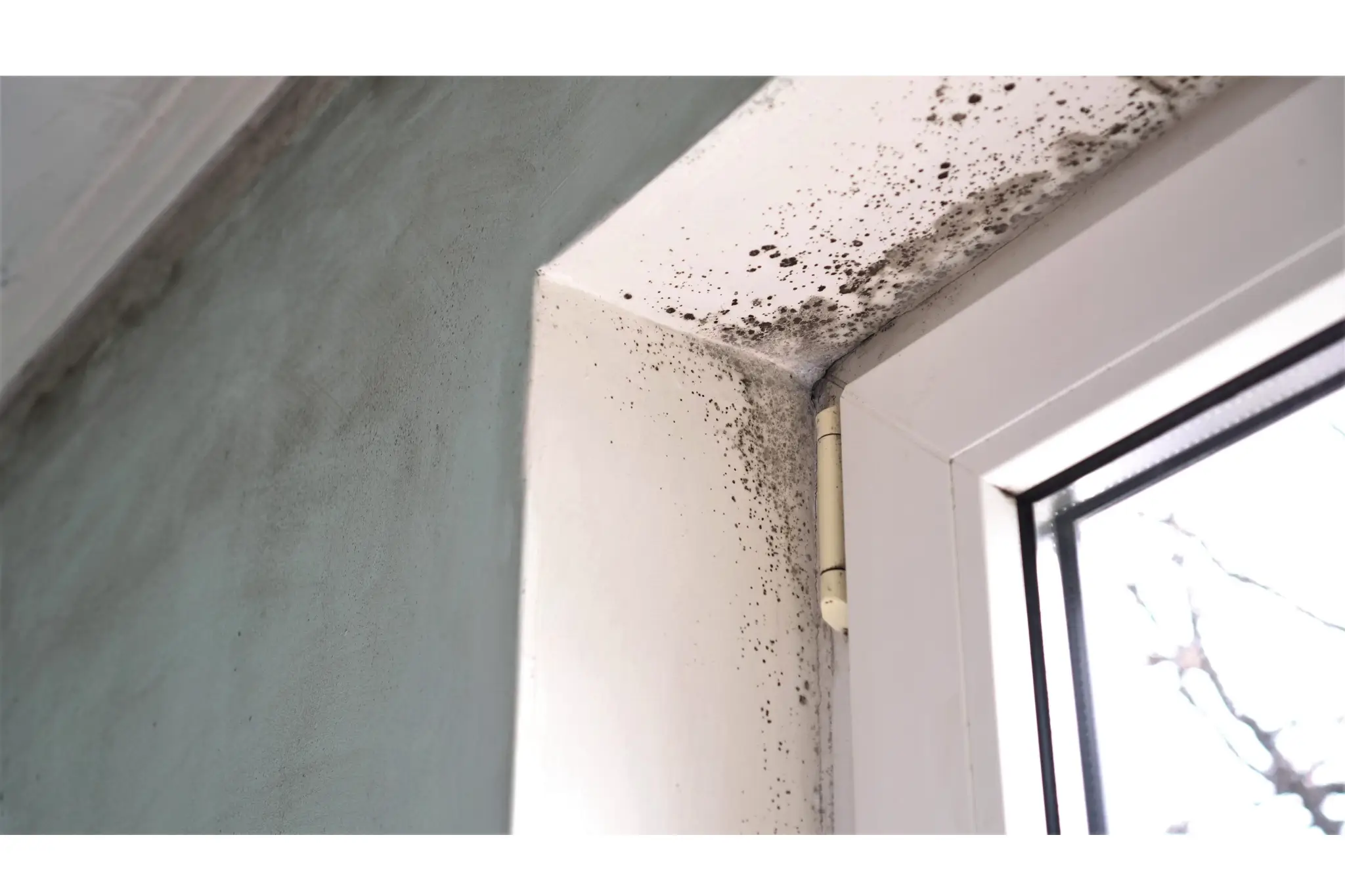
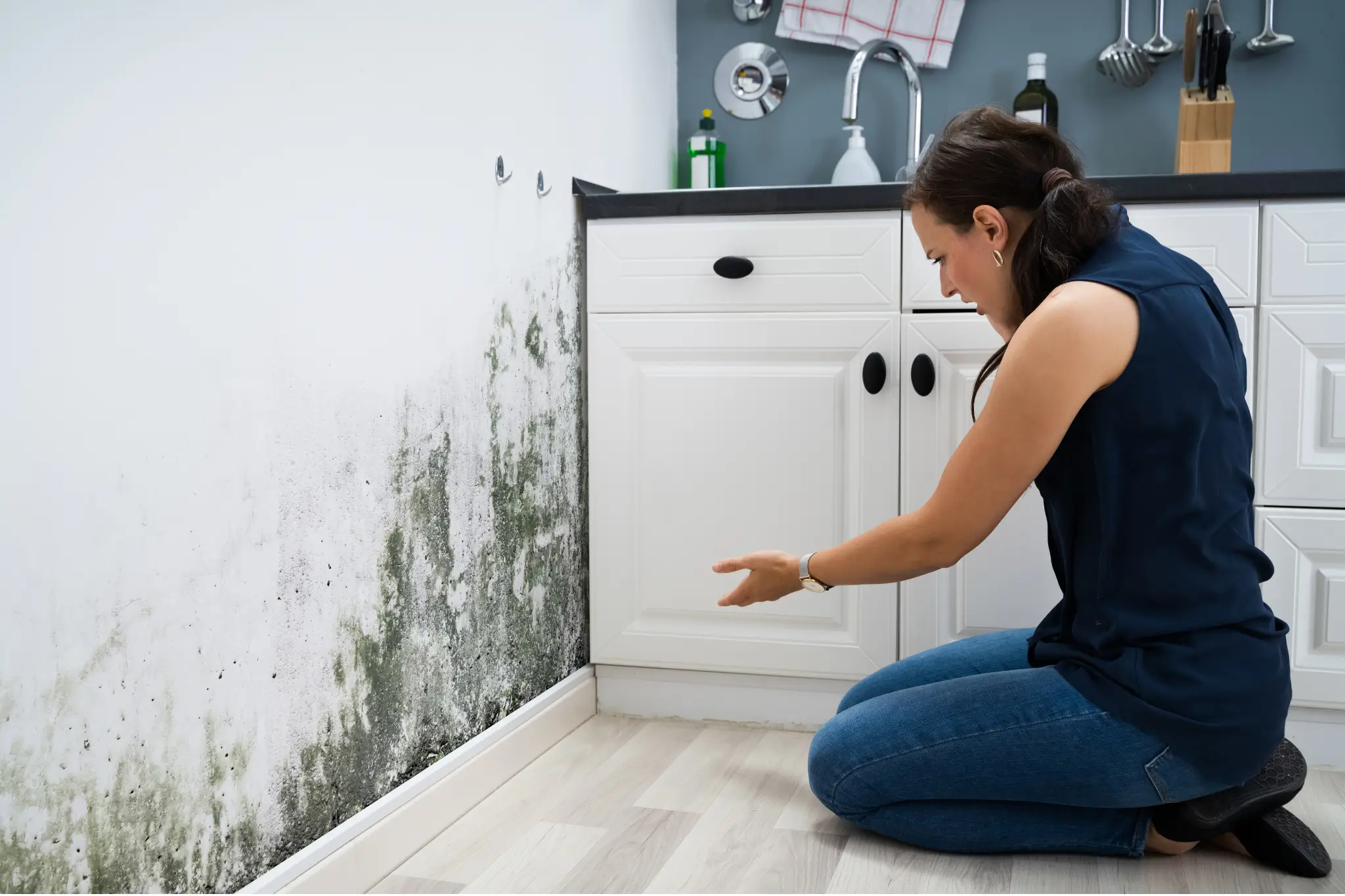
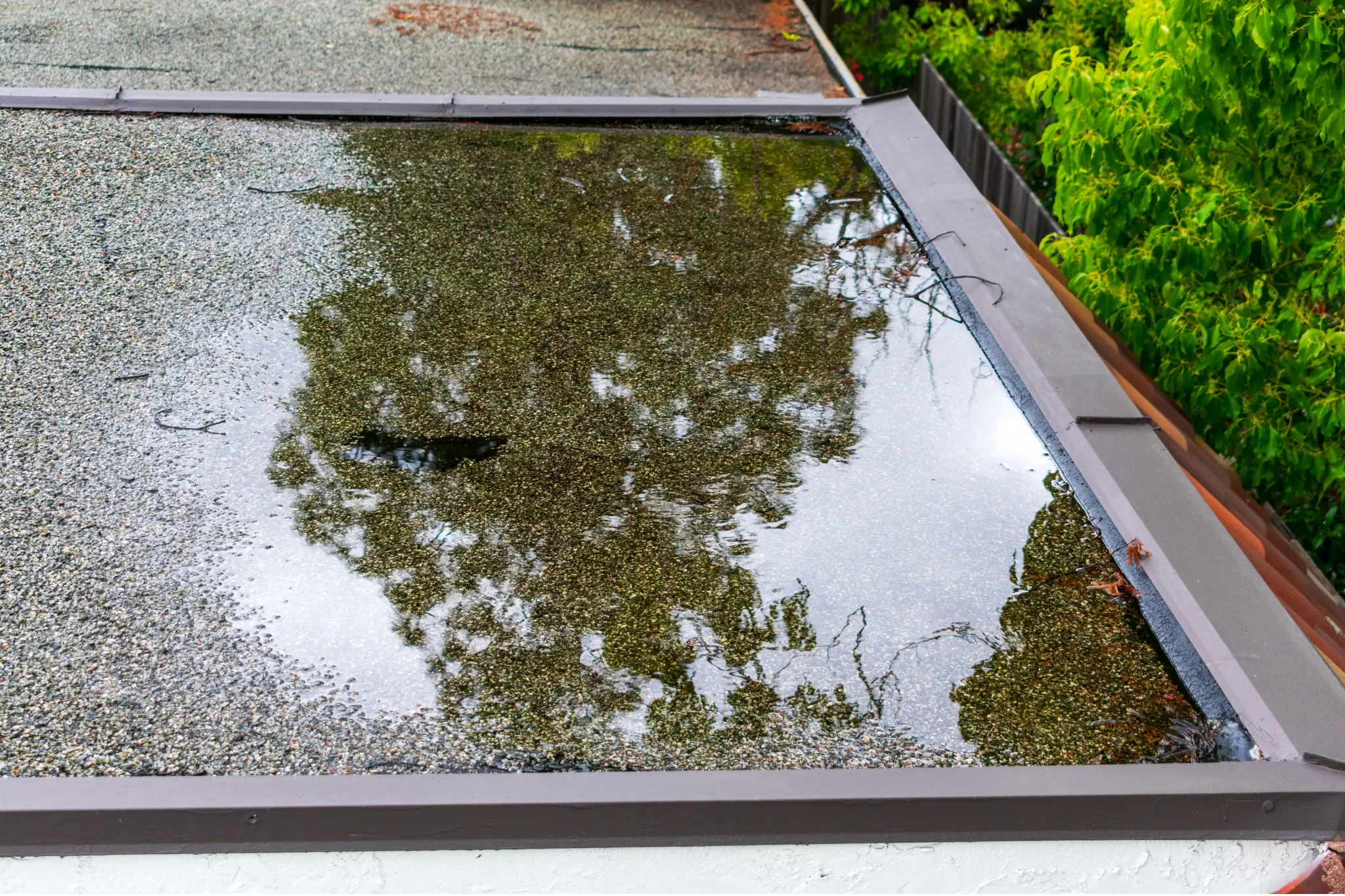
A musty closet or damp window frame can feel surprising when there has been no rain. Yet mold does not need a major flood to grow. Daily moisture from showers, cooking, and damp outdoor air can create trouble when surfaces stay wet. If you searched for “humidity mold growth in San Diego,” the first step is finding where that moisture collects.
The answer is not always to clean more often. You need to understand why one corner stays damp while the rest of the room feels fine. These nine steps explain how to measure humidity, spot warning signs, and decide when a moisture problem needs professional help.
1. Understand the Humidity Mold Growth in San Diego Connection
Humidity means water vapor in the air. Relative humidity tells you how close that air is to being fully saturated at its current temperature. Cooler air reaches that point with less water vapor than warmer air. That is why a room can become more humid overnight even when nobody adds water.
San Diego’s coastal weather adds another piece. NOAA’s explanation of the marine layer describes how cool ocean air can form low clouds and fog. This pattern can last for days and sometimes reach inland. Still, coastal weather alone does not prove why mold is growing inside your home.
Think of outdoor conditions as one clue. A bathroom fan that does not work, a crowded closet, or a small plumbing leak may matter more. Two homes on the same street can have very different moisture problems because their ventilation, insulation, and daily habits differ.
2. Measure Indoor Humidity Before Choosing a Fix
Buy a small digital humidity meter, also called a hygrometer. Place it where air can move around it. Keep it away from direct sunlight, supply vents, and shower spray. Those spots can distort the reading and make the room seem wetter or drier than it usually is.
The EPA’s guide to mold and moisture recommends keeping indoor humidity below 60%, ideally between 30% and 50%. The CDC recommends keeping it no higher than 50% throughout the day. A practical starting goal is 40% to 50%, while also checking for damp surfaces.
For humidity mold growth San Diego concerns, a short log is more useful than one reading. Check the bedroom, bathroom, and problem closet in the morning and evening for a week. Note showers, cooking, open windows, and any moisture-control equipment running nearby.
Look for patterns. Does the bathroom stay humid long after a shower? Does a bedroom reading rise overnight? Does one closet remain damp while the living room stays comfortable? These differences help you choose a fix instead of buying equipment without knowing what it needs to solve.
3. Check Cold Surfaces Even When the Room Reading Looks Good
A room reading is only part of the picture. Air next to a cold window or outside-facing wall can have higher relative humidity than air near the meter. Condensation happens when a surface becomes cold enough for water vapor to turn into liquid droplets.
The EPA’s explanation of humidity and condensation describes this using a cold bottle that develops water on its outside. A similar process can happen on windows, pipes, and other cool surfaces inside a home.
Imagine a bedroom meter showing 48%. Behind a large dresser, a cold wall has little airflow. That hidden spot may stay damper than the open room. This is an example, not a diagnosis, but it shows why a reassuring number does not rule out a local moisture problem.
Leave room for air to move around furniture and inspect accessible corners. If condensation keeps returning, ask about ventilation, surface temperatures, and insulation. A useful humidity mold growth San Diego plan checks both the room air and the surfaces where growth appears.
4. Remove Moisture Where Daily Activities Create It
Start with the bathroom. Run the exhaust fan during showers and afterward until damp surfaces dry and humidity moves back toward its usual level. The exact time varies. If the mirror clears but walls remain wet, the moisture problem is not finished.
Check that the fan actually pulls air. A dusty grille, weak motor, or blocked duct can limit its work. Have a qualified professional confirm that the duct ends outdoors. Sending shower moisture into an attic simply moves the problem to another part of the home.
In the kitchen, use an exhaust hood that vents outdoors when available. Cover simmering pots when practical. A recirculating hood filters some cooking particles but does not carry water vapor outside. Also check that the clothes dryer exhausts outdoors and that its duct is maintained.
Small habits help too. Hang wet towels where they can dry. Avoid packing damp shoes into a closed closet. Give freshly cleaned floors time to dry before covering them with rugs. These steps reduce the moisture your home must handle every day.
5. Decide Whether Opening Windows Will Help
“Open the windows” sounds simple, but it is not always the right moisture fix. Outdoor air can help when it is drier than indoor air. During damp coastal conditions, ventilation through windows may provide less drying than you expect.
Do not compare indoor and outdoor relative humidity percentages alone. Temperature affects those numbers. Dew point, often shown in weather reports, gives a better clue about how much moisture the air contains. A lower outdoor dew point generally means the incoming air has more drying potential once brought indoors.
For a simple home check, watch how indoor readings and window moisture respond to a short period of ventilation. Account for other changes, such as cooking or cooling. If humidity keeps rising, use controlled moisture removal and investigate the source.
The practical lesson for humidity mold growth San Diego prevention is to judge ventilation by results. Fresh air matters, but an open window should not be your only plan for a room that stays damp.
6. Use a Dehumidifier With a Clear Goal
A dehumidifier removes water from the air. It can help when indoor humidity stays above your target despite better exhaust ventilation and daily habits. Choose a unit suited to the room size and conditions, and follow the manufacturer’s placement instructions.
Keep doors and windows closed in the area being treated while it runs, unless the equipment instructions say otherwise. Empty and clean the collection tank as directed. If using a drain hose, secure it properly and check for leaks or overflow.
Record the humidity before and after use. Also note whether damp smells or condensation improve. A full tank shows that water was removed from the air. It does not prove that a wall cavity, carpet pad, or cabinet base is dry.
Drying the air also does not remove existing mold. If visible growth remains, you need a cleanup plan as well. This distinction matters: moisture control helps prevent growth, while remediation addresses contamination already present.
7. Separate Humidity Problems From Hidden Leaks
It is easy to blame the coast when a room smells musty. Before doing that, look for a focused source of water. A growing ceiling stain, swollen cabinet bottom, or damp baseboard deserves attention even if the humidity meter shows a normal reading.
Compare when the problem appears. Moisture after showers may point toward ventilation or a bathroom leak. A stain that changes after rain suggests water entering through the building. Dampness near plumbing may need a different investigation. These patterns narrow the search but do not confirm the cause.
A/S General Contracting’s leak detection services in San Diego include moisture readings, moisture mapping, and assessment of hidden wet areas. These checks help distinguish damp building materials from a general room-air problem.
A complete humidity mold growth San Diego assessment should answer two questions: where is the water coming from, and what has become wet? Reducing room humidity while leaving an active leak can delay the repair that matters most.
8. Know When Cleaning Needs Professional Help
A small patch on a hard surface is different from mold inside drywall or beneath flooring. The EPA’s home mold cleanup guidance says homeowners can often handle an area smaller than about 10 square feet. Size is only one factor, however.
Get professional help for sewage-related contamination, major water damage, suspected HVAC contamination, or growth that may extend into hidden spaces. Repeated growth also deserves investigation. Do not open a suspect wall or strip away material just to see how far it goes.
For suitable small cleanup jobs, follow EPA guidance on protective equipment and safe methods. Hard surfaces can often be cleaned with detergent and water, then dried fully. Moldy absorbent materials may need removal. Do not paint over mold or aim a fan across visible growth.
The CDC’s information about mold and health explains that damp, moldy conditions can affect people differently. People with asthma, mold allergies, weakened immune systems, or lung disease should seek medical guidance about exposure and cleanup. Mold color alone cannot tell you the risk.
9. Build a Prevention Plan You Can Check
A useful prevention plan has visible results. After a repair, the leak should be corrected. After ventilation changes, humidity should recover more quickly. After remediation, affected areas should be clean, and retained materials should meet appropriate drying goals before repairs cover them.
Take dated photos of problem spots and keep your humidity log. Recheck after several normal showers, a damp morning, or the next rain. This helps you judge whether the fix works under the conditions that caused trouble before.
Ask a contractor to explain what was wet, what needed removal, and how drying was checked. A clear explanation is more useful than a promise that a spray will solve everything. The goal is a dry, usable space with the moisture source addressed.
A/S General Contracting’s mold remediation services connect inspection with containment, affected-material removal when needed, cleaning, drying, and approved repairs. That approach addresses both the visible concern and moisture that may remain nearby.
If humidity mold growth San Diego concerns keep bringing you back to the same stained corner or musty closet, arrange an assessment. Bring your photos and readings. They give the team a useful starting point and help turn a recurring problem into a clear plan for your home.