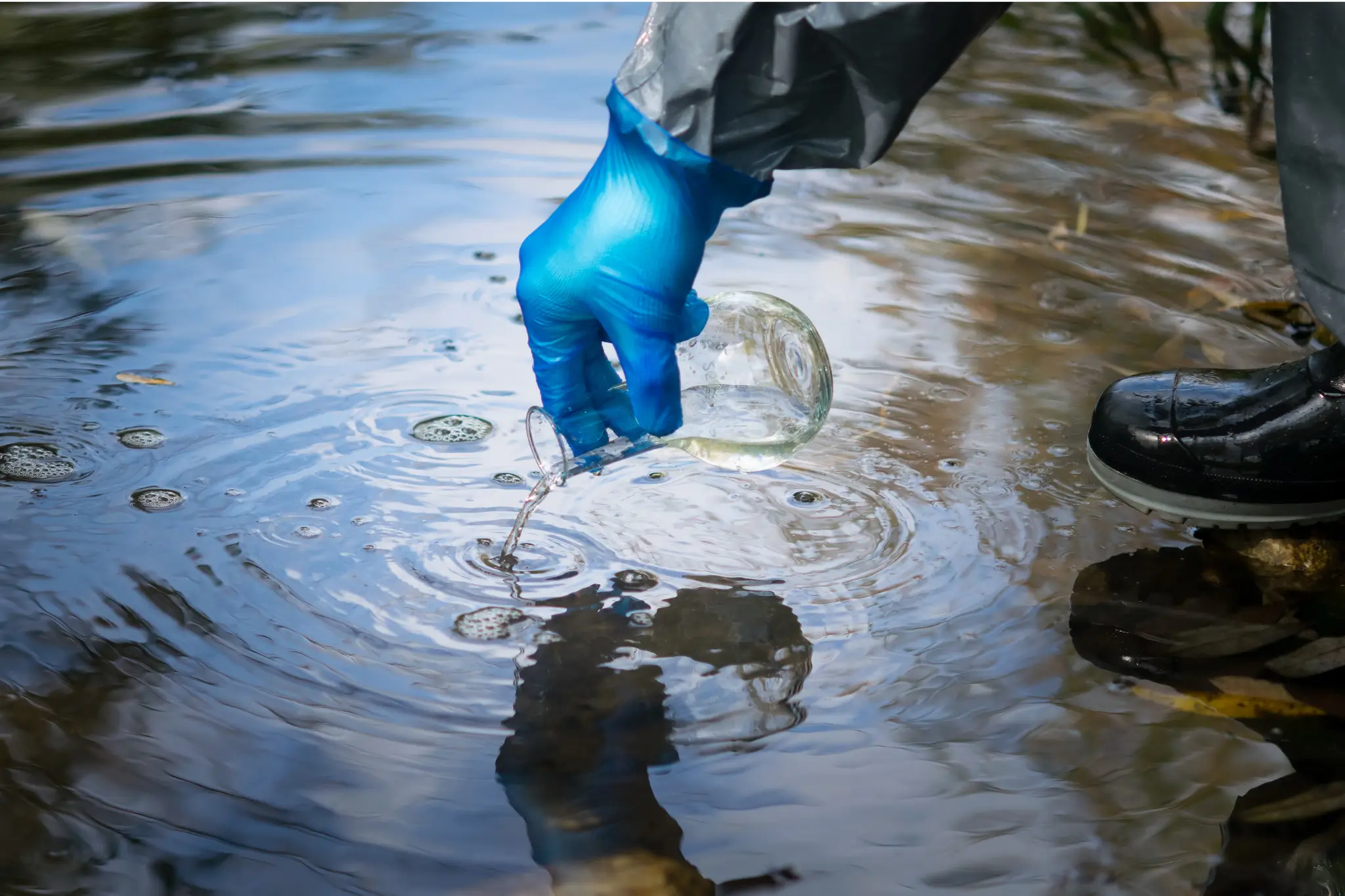
Water on your floor is stressful enough. When that water carries sewage or other harmful waste, the problem becomes much more serious. Category 3 water damage involves heavily contaminated water. It needs careful cleanup because removing the puddle does not remove everything the water left behind.
You may hear this called “black water.” That name describes the contamination level, not the color. Even clear-looking water can be unsafe. Your first move should be to keep people away and get the source assessed.
This guide explains category 3 water damage in plain language. You will learn what makes it dangerous, why some materials cannot be saved, and what a complete recovery plan should include. For San Diego property owners, A/S General Contracting provides sewage cleanup, structural drying, and approved repairs.
1. What category 3 water damage actually means
Restoration professionals use water categories to describe contamination. Category 3 is the most contaminated category. It can contain germs, toxins, or other harmful substances that may cause serious illness through contact or swallowing.
The IICRC’s guidance on water categories lists sewage, certain drain backflows, seawater flooding, and rising river or stream water as examples. It also explains that the water’s source and what it contacts matter when making a category decision.
Think of category 3 water damage as a cleanup problem with two parts. The building is wet, and affected areas may be contaminated. A useful question for your contractor is, “How will you address both?” An estimate that discusses only drying deserves a closer look.
2. How category 3 water damage can start
A backed-up sewer can push wastewater through a shower, toilet, or floor drain. Outside floodwater can also enter a home after moving through contaminated areas. These situations call for a different response from a fresh water supply leak.
However, every toilet overflow is not automatically category 3 water damage. Water leaking from a toilet’s supply line is different from sewage returning through its drain. Explain where the water appeared and whether waste was involved. Avoid guessing based only on which fixture was nearby.
Rain coming through a damaged roof is not automatically Category 3 either. The IICRC specifically clarifies this point. An inspection should support the classification. For suspected category 3 water damage, describe the event clearly: where water entered, what it passed through, and whether the source is still active.
3. Why category 3 water damage can look harmless
A shallow puddle may seem easy to wipe away. But depth, color, and smell do not tell you everything about safety. You cannot see many germs. A room that smells better after cleaning may still need more work.
The CDC’s floodwater safety guidance explains that floodwater may contain human waste, hazardous chemicals, and sharp debris. Contact can cause wound infections, skin rashes, or stomach illness. Stay out of the water and keep children and pets away from affected areas.
With category 3 water damage, the risk can extend beyond the original puddle. Shoes, toys, and items moved through the area can carry contamination elsewhere. Avoid walking through the spill to rescue belongings. Tell the cleanup team if anyone has already tracked water into another room.
If you contact contaminated water, wash exposed skin with soap and clean water. Seek medical attention for a contaminated wound or signs of infection. Treat category 3 water damage as a reason to limit exposure, even when the spill looks small.
4. Your first steps after category 3 water damage
Keep people out of the affected area. If wastewater is backing up through drains, stop using connected plumbing fixtures until the cause is assessed. More flushing, laundry, or dishwashing may add water to an already blocked system.
Electrical safety comes next. Do not touch wet outlets, appliances, or switches. The CDC’s guidance for reentering a flooded home says to turn off power only from a dry location. If reaching the panel requires entering standing water, call an electrician.
For category 3 water damage, take photos only from a safe place. Record when you noticed the problem and which rooms appear affected. Contact a qualified restoration company and notify your insurer. If you rent, also notify your landlord or property manager.
A/S General Contracting’s emergency water damage services include inspection, moisture mapping, water removal, and recovery planning. When you call about category 3 water damage, mention sewage or suspected contamination right away so the team understands the situation before arrival.
5. What to avoid during category 3 water damage cleanup
Do not begin by aiming household fans across a contaminated room. Professional cleanup needs controls that limit the spread of contamination. The IICRC says remediation should happen before restorative drying for Category 2 and Category 3 water intrusions, with suitable worker protection.
Spraying cleaner over dirty surfaces is also an incomplete response to category 3 water damage. Dirt and waste need removal. Products must suit the surface and be used according to their labels. Never mix cleaning chemicals. Stronger smells do not prove better cleaning.
Avoid moving wet furniture into clean rooms or tearing out walls yourself. Ask the contractor how removed materials will leave the building and how clean areas will be protected. Those practical details matter when category 3 water damage affects a hallway that everyone normally uses.
If floodwater reached the heating or cooling system, arrange a professional assessment before using it. The CDC warns that operating a contaminated HVAC system can spread mold through the home. Tell your contractor which vents or equipment were exposed.
6. Which materials category 3 water damage may ruin
Materials that soak up contaminated water are harder to restore than smooth, washable surfaces. Carpet padding, upholstered furniture, insulation, and affected drywall may need removal. The decision depends on the material, exposure, and whether it can be properly cleaned.
The CDC advises discarding flood-affected items that cannot be disinfected. For category 3 water damage, a carpet that feels dry is not proof that its padding is clean. Likewise, a cabinet door may look fine while contaminated water remains beneath the cabinet.
Some hard surfaces or structural materials may be restored after assessment, cleaning, and drying. Ask for a written explanation of what will stay and what will go. A room-by-room list helps you understand the plan without trying to remember every conversation.
Before category 3 water damage cleanup begins, identify sentimental belongings. Do not handle contaminated items yourself. Ask whether specialist restoration is possible, what it would involve, and whether the expected result justifies the cost. Emotional value deserves a conversation, even when an item cannot safely be saved.
7. Why category 3 water damage needs inspection beyond the puddle
Imagine a shower backup that spreads into a hallway. The bathroom tile may be easy to see and reach. The hallway’s carpet padding, wall edges, and flooring seams are different. Cleaning only the visible bathroom floor could leave part of the problem unaddressed.
This is an example, not a claim about a particular project. It shows why the cleanup boundary should follow where water traveled. For category 3 water damage, ask whether the inspection includes adjoining rooms, cabinet bases, and spaces beneath affected flooring.
A/S General Contracting’s sewage cleanup service describes checking nearby materials as well as visible contamination. Its stated approach includes wastewater removal, removal of materials that cannot be restored, cleaning, sanitizing, and structural drying.
A helpful homeowner habit is to keep one project folder. Store inspection findings, photos, estimates, and updates together. When category 3 water damage involves several rooms, this makes it easier to compare the original findings with the work completed.
8. How category 3 water damage recovery should progress
The recovery plan should address the cause, contamination, moisture, and repairs. Ask who is responsible for fixing the sewer or plumbing problem. Cleanup and source repair may require different professionals, and both jobs need clear ownership.
For category 3 water damage, A/S General Contracting describes a process that includes extraction, contaminated-material removal, cleaning, and drying. Its structural drying services address moisture in retained building materials. Ask how drying progress will be recorded and when repairs can begin.
Do not judge completion by how many days equipment has been running. Ask for the findings that support the next step. A useful update explains what remains wet, what has improved, and what must happen before walls or floors are closed.
After category 3 water damage, request a final review of the work. Discuss removed materials, cleaned areas, drying records, and any remaining recommendations. If a specialist assessment is needed, ask what question it will answer. Testing should have a clear purpose rather than being treated as a universal guarantee.
9. Costs and insurance questions after category 3 water damage
A small spill does not always mean a small repair bill. Access can matter as much as room size. Water beneath built-in cabinets may require more work than water on an exposed hard floor. Removal, disposal, drying, and reconstruction can each affect the price.
Request an itemized estimate for category 3 water damage. It should explain the affected areas and recommended tasks. If new damage is found after flooring or walls are opened, ask for photos and an updated scope before approving added work.
Do not assume the category alone determines insurance coverage. Ask your insurer how your policy treats the actual cause, including sewer backup or outside flooding. Request a written coverage explanation and keep records of communications. Also ask what documentation is needed before damaged items are discarded.
A/S General Contracting offers insurance claim support for documenting property damage and communicating project information. During category 3 water damage recovery, organized records help explain what happened and why work was recommended. The insurer still makes the coverage decision under your policy.
10. Preventing repeat category 3 water damage
Before the project ends, ask what caused the water to enter and what has been done to correct it. A cleaned room can be damaged again if a blocked line, failed component, or drainage problem remains. Keep source-repair records with your restoration documents.
For category 3 water damage involving a sewer backup, ask a qualified plumber whether further line inspection or repairs are needed. For outside flooding, discuss drainage and entry points with an appropriate professional. The best prevention plan should fit the cause found at your property.
Also agree on warning signs that require another call. These might include a repeat backup, new moisture, or a persistent unexplained odor. Do not wait for the same room to flood again before reporting a concern.
The EPA’s flooded homes cleanup guidance provides additional resources for safe recovery. Use it to prepare questions and understand the work. With category 3 water damage, a clear explanation of the plan is valuable: you should know what was affected, what was addressed, and what happens next.
Get help with category 3 water damage in San Diego
Finding wastewater in your home can leave you unsure where to start. Focus first on keeping people away, reporting the source, and arranging an inspection. You do not need to decide which walls or belongings can be saved before calling.
A/S General Contracting helps San Diego property owners with sewage cleanup, structural drying, and approved repairs. Its service approach includes inspecting connected areas and explaining recommended work. That gives you a practical starting point for understanding the damage and planning recovery.
If you suspect category 3 water damage, contact A/S General Contracting through its sewage cleanup service page. Explain where the water came from, when it appeared, and which areas it reached. Those details help the team prepare for your inspection and next steps.