Storm damage restoration in San Diego can feel overwhelming when your roof leaks, water enters your home, or strong winds damage your property. The first few hours matter. Quick action can stop a small problem from turning into soaked drywall, damaged flooring, mold, or unsafe electrical conditions.
San Diego is known for mild weather, but severe storms still happen. Heavy rain can overwhelm drains. Wind can pull roofing materials loose. Water can enter through windows, doors, foundations, and small roof openings. Homes on slopes may also face runoff, erosion, or water moving toward the foundation.
This guide explains nine clear steps to take after a storm. It also shows how professional storm damage restoration in San Diego helps uncover hidden problems, dry the building correctly, and guide the property toward a safe recovery.
1. Put Safety First After Storm Damage in San Diego
Do not rush into a damaged building. Look at the property from a safe distance first. Watch for fallen power lines, leaning trees, broken glass, loose roof materials, standing water, and walls or ceilings that appear to be sagging.
If you smell gas, hear unusual electrical sounds, or see sparks, leave the area. Call the utility company or emergency services from a safe location. Never walk through standing water when electrical outlets, appliances, or wiring may be wet.
Follow evacuation orders and instructions from local officials. The federal Ready.gov severe weather guide explains how to prepare for dangerous weather and respond to hazards such as flooding, high winds, and lightning.
A restoration team should also complete a safety check before cleanup begins. Personal items can be replaced. A person’s health cannot. No repair is important enough to risk entering an unstable or electrically unsafe building.
2. Stop More Water From Entering the Property
Storm damage restoration in San Diego begins by limiting new damage. This step is sometimes called emergency mitigation. Mitigation simply means taking safe action to keep the problem from getting worse.
If a pipe broke during the storm, shut off the main water supply when it is safe to do so. Place containers under small drips and move dry belongings away from wet areas. Do not climb onto a wet roof or attempt repairs during high winds.
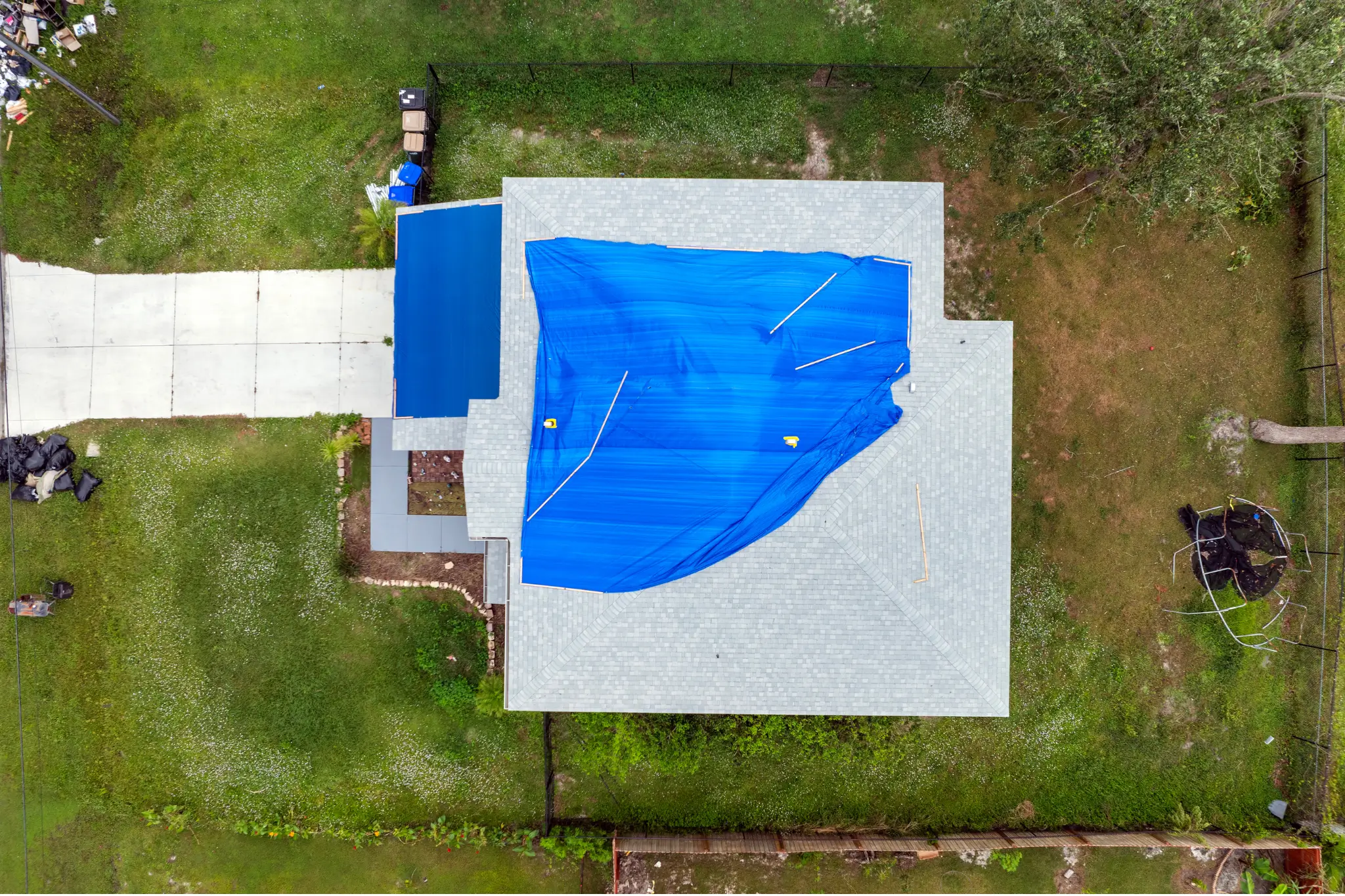
A trained crew may place tarps over damaged roofing, cover broken openings, or install temporary barriers. Professional board-up services in San Diego can protect open doors and windows from rain, animals, debris, and unwanted entry.
Temporary protection is not the final repair. It creates a safer window of time for inspection, drying, and reconstruction. That difference matters. A quick patch may hide a problem without stopping water that is still moving under roofing or inside a wall.
3. Document the Damage Before Cleanup
Take clear photos and videos once the property is safe to enter. Start with wide views of each affected room. Then record closer images of roof damage, wet walls, flooring, furniture, appliances, windows, and personal belongings.
Create a simple written list. Include each damaged item, the room where it was located, and its approximate age. Save receipts for emergency lodging, temporary repairs, cleanup supplies, and professional services.
Do not throw away damaged materials until you have photographed them unless they create an immediate health risk. FEMA’s guidance on recovering from a disaster recommends documenting damage, contacting the insurer, and keeping repair and cleanup receipts.
A/S General Contracting has learned that organized records can prevent confusion later. Create one digital folder for photos, estimates, receipts, claim messages, and contractor notes. Name photos by room and date. This small step makes a complicated recovery easier to track.
Homeowners who need help organizing the process can use professional insurance claim support. The contractor cannot decide what an insurer will cover, but detailed restoration records can help explain what was found and what work was necessary.
4. Schedule a Complete Storm Damage Inspection
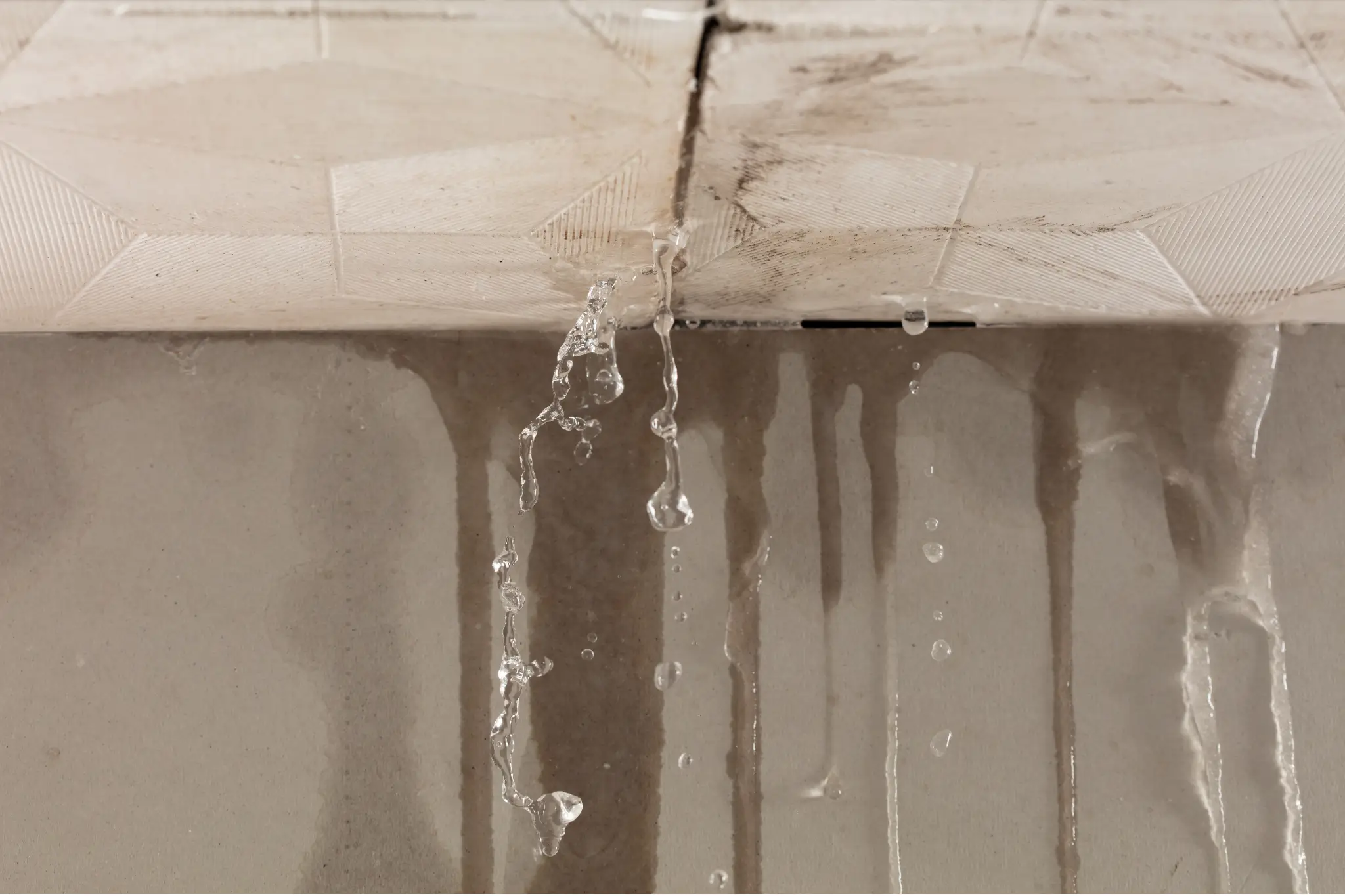
Not all damage is easy to see. A ceiling stain may be several feet away from the roof opening that caused it. Wind-driven rain can move behind siding or around window frames. Water may also travel through insulation before reaching a visible surface.
A proper inspection follows the path of the water instead of looking only at the final stain. The restoration team should examine the roofline, attic, ceilings, walls, flooring, baseboards, windows, doors, crawl spaces, and other affected areas.
Moisture meters can help find water that is trapped behind surfaces. Thermal cameras may show temperature differences that suggest moisture, but they do not prove that water is present by themselves. A careful technician confirms the finding with another moisture-reading method.
This is one reason professional storm damage restoration in San Diego is different from simply wiping up visible water. The goal is to identify the full damage boundary before drying and repairs begin.
5. Remove Standing Water Quickly
Water removal should begin as soon as the building is safe and the damage has been documented. Standing water can soak into drywall, wood, cabinets, flooring, insulation, and personal belongings. The longer it remains, the farther it may spread.
Professional water extraction services in San Diego use equipment designed to remove larger amounts of water efficiently. Crews may use different tools for carpet, hard flooring, wall edges, and tight spaces.
The water source affects how cleanup is handled. Clean rainwater that entered through a new roof opening is different from floodwater that touched soil, street runoff, or sewage. Contaminated water may contain germs, chemicals, and sharp debris. Porous materials exposed to unsafe water may need to be removed rather than dried and saved.
FEMA provides practical advice for how to stay safe while cleaning after a flood. Homeowners should use professional help when contamination, electrical hazards, structural damage, or deep water is involved.
6. Dry Hidden Moisture, Not Just Visible Surfaces
Removing standing water is only the beginning of storm damage restoration in San Diego. Materials can still hold a large amount of moisture after the floor looks dry. Damp wall cavities, subfloors, and insulation may continue feeding mold and wood damage.
Restoration teams often use air movers to increase airflow and dehumidifiers to pull water vapor from the air. The equipment should be placed according to the size of the affected space, the materials involved, and the amount of moisture present.
More equipment is not always better. Air movement must be controlled when water is contaminated or when mold may already be present. Blowing air across an unsafe area without containment can spread particles into clean rooms.
Professional structural drying services in San Diego should include regular moisture readings. These readings show whether materials are truly getting drier. A room should not be declared dry because it feels comfortable or because the surface no longer looks wet.
One of the most useful lessons we have seen is simple: drying should be measured, not guessed. A written drying record gives the homeowner a clearer picture of progress and helps prevent damp materials from being covered during repairs.
7. Check for Mold and Indoor Air Problems
Mold may begin growing when building materials remain damp. It often appears around drywall, baseboards, insulation, wood framing, carpet padding, and cabinets. A musty odor can also point to moisture in a hidden space.
Do not paint over a wet stain or spray a strong cleaner into a wall cavity. Paint may hide the mark while moisture remains. Cleaning only the visible surface may also leave affected material behind.
If mold is found, the moisture source must be fixed first. Professional mold remediation in San Diego may involve containment, controlled material removal, air cleaning, surface treatment, and moisture correction.
Homeowners can also review the existing guide on how a roof leak can cause mold. It explains why even a small leak deserves attention before it affects a larger part of the home.
8. Repair the Cause Before Rebuilding
A successful restoration does more than replace damaged drywall. The original opening must be corrected. This may mean repairing roofing, flashing, windows, exterior walls, drainage, plumbing, or another part of the building envelope.
Rebuilding too early is a costly mistake. New paint and drywall can hide damp framing, but they cannot make it dry. If the source remains open, the next storm may damage the same area again.
The order of work matters. First, make the property safe. Second, stop the water source. Third, remove water and damaged materials. Fourth, dry and verify the remaining structure. Only then should permanent reconstruction begin.
Storm damage restoration in San Diego may include roof repairs, drywall replacement, flooring work, painting, trim installation, and other rebuilding tasks. A connected plan helps keep cleanup and reconstruction from working against each other.
9. Prepare the Property for the Next San Diego Storm
The best time to find a weak point is before the next heavy rain. Inspect the roof for loose or missing materials. Clean gutters and make sure downspouts send water away from the foundation. Check exterior sealant around windows, doors, pipes, and vents.
Walk around the property during a light rain if conditions are safe. Look for water collecting near walls, drains that are backing up, and soil that slopes toward the building. These clues can reveal drainage problems before a major storm arrives.
Review the property’s flood risk using the official FEMA Flood Map Service Center. A home outside a high-risk flood zone can still experience flooding, so the map should be one part of a broader preparation plan.
It is also smart to review the insurance policy before storm season. Ask the insurer about exclusions, deductibles, flood coverage, and the steps required after a loss. The California Department of Insurance winter storm tips can help homeowners understand basic claim preparation.
Common Mistakes During Storm Damage Restoration in San Diego
The first common mistake is waiting for wet materials to dry on their own. San Diego may have dry outdoor air on some days, but closed wall cavities and layered flooring can hold moisture much longer than expected.
The second mistake is using household fans without understanding the water source. Fans may help with a small, clean-water spill, but they can spread contaminants or mold particles when the affected area is unsafe.
The third mistake is choosing repairs based only on the lowest price. A short estimate may leave out moisture testing, containment, debris handling, or reconstruction. Compare the work included in each estimate, not just the total at the bottom.
The fourth mistake is signing broad paperwork without reading it. Ask who will communicate with the insurer, who approves changes, how emergency work is priced, and what happens if hidden damage is found.
The fifth mistake is assuming all wet materials must be removed. Some materials can be dried safely when they are clean, stable, and reached quickly. Others cannot be saved. A careful restoration plan separates necessary removal from wasteful demolition.
How Long Does Storm Damage Restoration in San Diego Take?
There is no single timeline for every property. A small roof leak affecting one room may be dried and repaired much faster than a flood that reaches several rooms or floors. Contamination, structural damage, permit needs, material availability, and insurance decisions can also change the schedule.
Emergency protection and water extraction may begin during the first visit. Drying often continues for several days, but the actual endpoint should be based on moisture readings. Reconstruction may take longer when custom cabinets, roofing, flooring, or major structural parts must be replaced.
A dependable contractor should explain the next step, what must happen before it, and what could change the timeline. Honest updates are more useful than a fast promise made before the full damage is known.
What to Look for in a San Diego Restoration Company
Choose a company that can explain its inspection findings in plain language. Ask how the team finds hidden moisture, protects clean rooms, records drying progress, handles damaged materials, and coordinates permanent repairs.
The company should provide a written scope of work. It should also explain emergency charges, payment terms, change orders, and which services may depend on insurance approval. Never feel pressured to sign an agreement you do not understand.
Local experience also matters. San Diego properties vary widely. Coastal homes may face wind-driven rain and salt exposure. Inland properties may deal with hard soil, fast runoff, and sudden flooding. Older homes can have hidden building layers that change the drying and repair plan.
A/S General Contracting approaches storm damage restoration in San Diego as a connected process. Emergency protection, water removal, moisture checks, drying, cleanup, and reconstruction must support the same goal: returning the property to a safe, dry, and usable condition.
When to Call for Storm Damage Restoration in San Diego
Call for help when water enters through the roof or walls, a ceiling begins to sag, flooring starts lifting, windows break, or several rooms become wet. You should also call when there is standing water, a musty smell, suspected sewage, electrical danger, or damage you cannot inspect safely.
Even when the visible damage looks small, an early inspection can provide useful answers. It may confirm that the area needs only a limited repair. It may also uncover moisture that would have caused a much larger problem later.
The real purpose of storm damage restoration in San Diego is not to make a room look dry for a few days. It is to understand what happened, stop continuing damage, dry the correct materials, and repair the property with a clear plan.
If your home or business has been affected by wind, rain, flooding, or a roof leak, contact A/S General Contracting for a professional inspection. Fast, careful action can protect the building, reduce avoidable damage, and give you a clearer path toward recovery.