
Leak Detection, Moisture Control, and Property Repairs
Water Extraction Services in San Diego, CA
Our team can help when water spreads through your home, rental property, or business. We remove accessible standing water, inspect surrounding materials for hidden moisture, install professional drying equipment, and coordinate approved repairs.
Emergency water extraction
Standing water removal
Dehumidification
Moisture detection and mapping
Structural drying
Property restoration

5 Star & A+ Rating
Yelp, Google & BBB
Request Help Today
Fast Water Removal Is the First Step Toward Recovery
Standing water can quickly spread beneath flooring, behind baseboards, inside cabinets, and through adjoining rooms. Removing the visible water helps prepare the property for a complete moisture inspection and controlled drying.
We evaluate the water source and affected materials before beginning extraction. After removing accessible water, we check for moisture inside connected materials and prepare a drying plan for the property.
Water extraction services we provide
- Water damage inspections
- Standing water extraction
- Removal of water from flooring
- Moisture detection and mapping
- Damaged-material evaluation
- Air-mover placement
- Dehumidifier installation
- Structural drying
- Drying-progress monitoring
- Restoration and repair planning
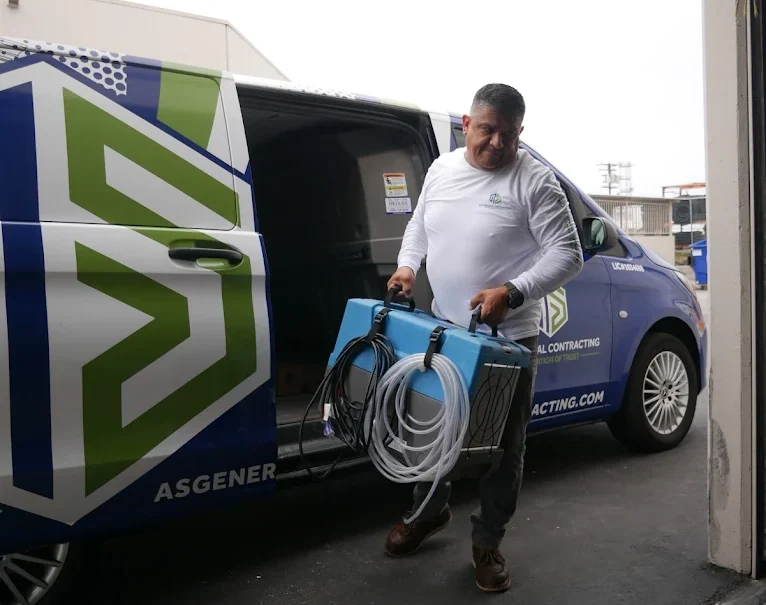
Is Water Spreading Beyond the Area You Can See?
Water can continue affecting a property after the visible puddle is gone. Porous materials can absorb moisture and release it slowly into the surrounding air.
Signs professional extraction is needed
Water is covering the floor
Standing water should be removed so the affected surfaces and underlying materials can be evaluated.
Flooring is lifting or becoming soft
Buckled boards, loose tiles, damp carpet, or soft areas can indicate water in the underlayment or subfloor.
Baseboards or cabinets are swelling
Expanded wood, separating trim, and swollen cabinet panels can show that water has entered porous materials.
Water is moving into adjoining rooms
Moisture can travel beneath continuous flooring or through connected wall cavities before becoming visible elsewhere.
The affected space feels damp
High humidity, condensation, or a musty odor can indicate that moisture remains inside the property.
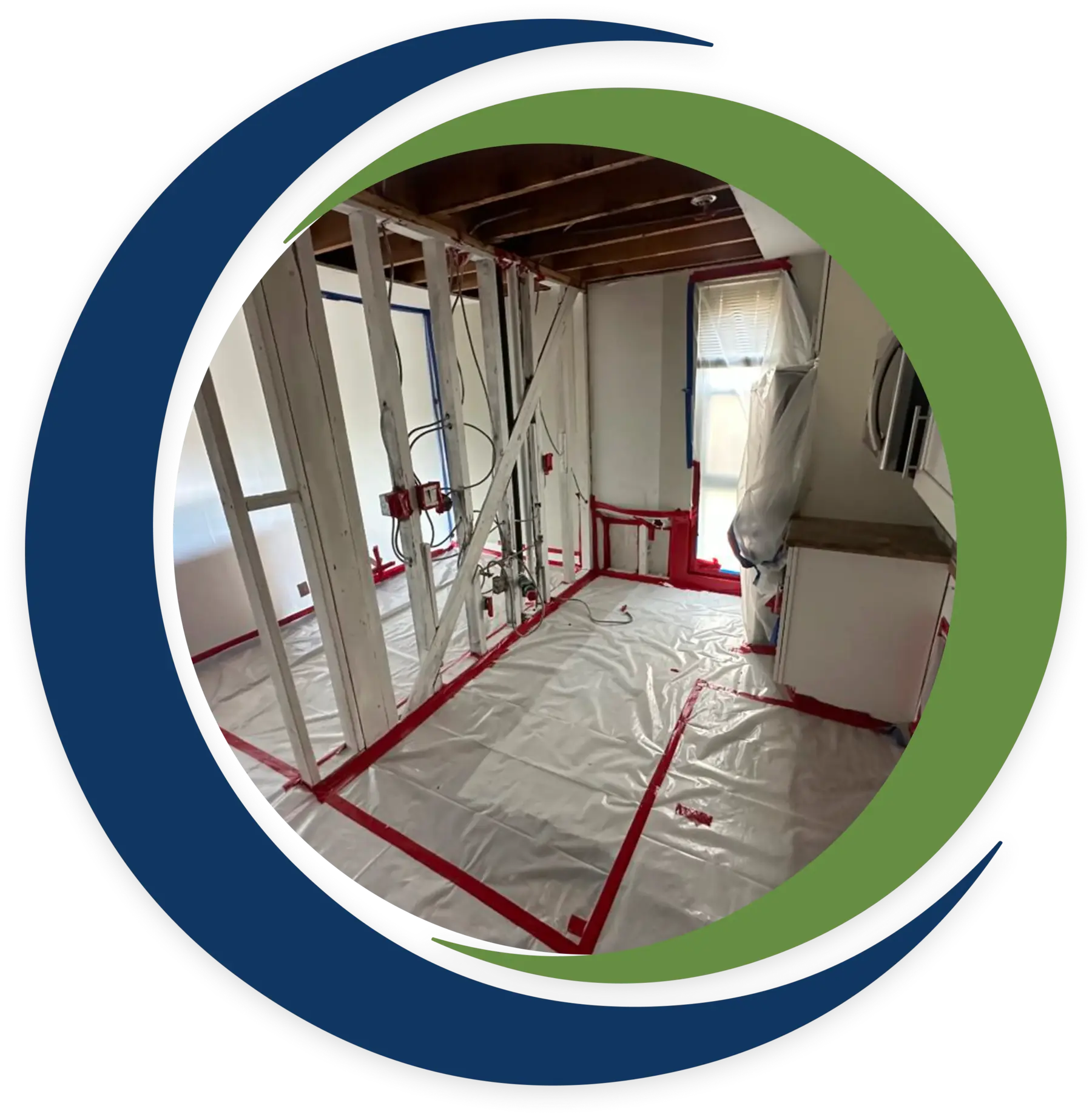
How Professional Water Extraction Works
We organize the extraction and drying plan around the amount of water, affected materials, accessibility, and moisture conditions inside the property.
We assess the water damage
We determine where the water entered, which areas are affected, whether standing water remains, and what requires immediate attention.
We inspect and map the moisture
We check visible and surrounding walls, ceilings, flooring, cabinets, and connected areas to determine how far the water has spread.
We extract standing water
We use professional extraction equipment to remove accessible water from floors and other affected surfaces.
We prepare the structure for drying
We evaluate wet materials, remove approved materials that cannot remain, and position air movers and dehumidifiers.
We monitor the drying process
We take moisture readings, adjust the equipment when needed, and explain the next steps for cleaning or approved repairs.
Extraction Connected to Complete Structural Drying
Water extraction removes accessible liquid water, but wet building materials require additional attention. We connect the extraction process with moisture inspection, drying, monitoring, and approved restoration.
Why property owners call our extraction team
Professional extraction equipment
We use commercial equipment designed to remove water from affected floors and accessible surfaces.
Inspection beyond visible water
We check surrounding materials to identify moisture that has moved beneath or behind finished surfaces.
Controlled structural drying
We use air movers and dehumidifiers to support drying after the standing water is removed.
Moisture-based monitoring
We take follow-up readings and use the property’s drying progress to guide equipment adjustments.
Repairs through the same team
When materials require replacement, we can coordinate approved drywall, flooring, cabinet, trim, and finish repairs.
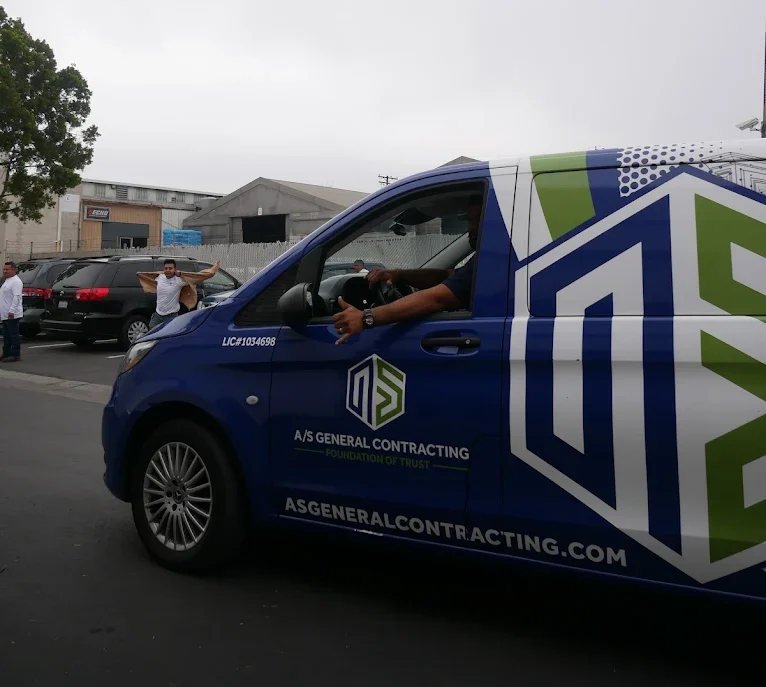
Water Extraction Services Throughout San Diego
We provide water extraction for houses, apartments, condominiums, rental properties, HOA-managed communities, offices, restaurants, retail locations, warehouses, and other commercial buildings throughout San Diego.
San Diego areas we serve
- Downtown San Diego
- North Park
- South Park
- Hillcrest
- Normal Heights
- Mission Valley
- Pacific Beach
- Ocean Beach
- University City
- Point Loma
- La Jolla
- Clairemont
- University City
- Mira Mesa
- Rancho Peñasquitos
- 5.0 & A+ Ratings on Google, Yelp, Facebook, and BBB
What Customers Say About AS General
See what property owners have shared about their experience with our communication, restoration work, and support after water damage.
Based on 50 reviews


 Trustindex verifies that the original source of the review is Google.
 Trustindex verifies that the original source of the review is Google.
 Trustindex verifies that the original source of the review is Google.

 Trustindex verifies that the original source of the review is Google.
 Trustindex verifies that the original source of the review is Google.
 Trustindex verifies that the original source of the review is Google.
 Trustindex verifies that the original source of the review is Google.
 Trustindex verifies that the original source of the review is Google.
 Trustindex verifies that the original source of the review is Google.
 Trustindex verifies that the original source of the review is Google.

Based on 63 reviews

 Verified
 Verified
 Verified
 Verified
 Verified
 Verified
 Verified

How Water Moves Through San Diego Properties
San Diego includes older houses, modern condominiums, apartment buildings, hillside homes, and commercial properties. Their different construction materials affect how water spreads and where it remains concealed.
Older properties can contain plaster walls, original wood flooring, enclosed cavities, and additions built during different periods. Condominiums and apartments may contain shared walls, ceilings, and flooring systems that allow water to reach adjoining units.
Coastal humidity can also slow natural evaporation. During seasonal storms, water may enter through roofs, windows, balconies, exterior walls, or lower-level openings. We consider these conditions when preparing the extraction and drying plan.
Materials commonly affected by water
- Drywall and plaster
- Flooring and subflooring
- Cabinets and built-in finishes
- Ceilings and insulation
- Wood framing
- Baseboards and trim
- Attic materials
- Crawl-space materials
- Shared walls and ceilings
Water Extraction Resources for San Diego Property Owners
These restoration guides, public safety resources, and related services can help you understand water removal, structural drying, and property recovery.
Helpful water damage guides
Water damage safety resources
Related Restoration Services
Water Extraction Services FAQS
How quickly should standing water be removed?
Standing water should be addressed as soon as it is safe to enter the property. Prompt extraction can reduce the amount of time that flooring, drywall, cabinets, and other porous materials remain wet.
Is water extraction the same as structural drying?
No. Extraction removes accessible liquid water. Structural drying uses air movement, dehumidification, and moisture monitoring to reduce the water retained inside building materials.
Can water be extracted from carpet and flooring?
Water can often be extracted from carpet and some flooring systems. Whether those materials can remain depends on the water source, exposure time, condition, and moisture beneath the finished surface.
How long does water extraction take?
The extraction time depends on the amount of water, size of the affected area, accessibility, and materials involved. Structural drying typically continues after the visible water is removed.
Can you repair materials damaged by the water?
Yes. After extraction and drying, we can coordinate approved repairs involving drywall, plaster, flooring, insulation, cabinets, baseboards, texture, and paint.
Contact Our San Diego Office for Water Extraction Services
A/S General Contracting – San Diego Location
- Phone: 858-365-9803
- Email: info@asgeneralcontracting.com
- Hours: Open 24 hours, 7 days a week
We help San Diego homeowners, landlords, HOA managers, property managers, and businesses remove standing water after overflows, appliance failures, storms, and other water events. We can extract the water, inspect connected materials, dry the structure, and coordinate approved repairs.
Is Standing Water Affecting Your Property?
Water can spread beneath flooring, behind baseboards, inside cabinets, and into adjoining rooms. Call us to remove accessible water, inspect affected materials, and begin the structural drying process.