After a fire, many homeowners feel overwhelmed before repairs even begin. Some are dealing with visible burn marks and damaged materials. Others feel confused because flames never reached certain rooms, yet the home smells, looks dirty, or feels uncomfortable. That confusion leads to a common question: smoke damage vs fire damage, what’s the real difference?
For many San Diego homeowners, the stress doesn’t come only from what burned. It comes from what can’t be seen. Smoke odor trapped in clothing. Dark residue on walls. A lingering smell that doesn’t go away even after cleaning. People worry about health concerns, hidden damage, and whether their home is safe to live in again.
At A/S General Contracting, we work with San Diego homeowners who are trying to understand what really happened to their home after a fire. As a local restoration company, we’ve seen how smoke damage and fire damage affect homes in very different ways. This guide explains the difference, how each type of damage spreads, and why proper restoration goes far beyond fixing what burned.
By the end, readers will understand the types of fire damage, how smoke travels, what soot does to surfaces, and why professional cleanup addresses both visible and invisible damage.
Understanding Fire Damage Inside a Home
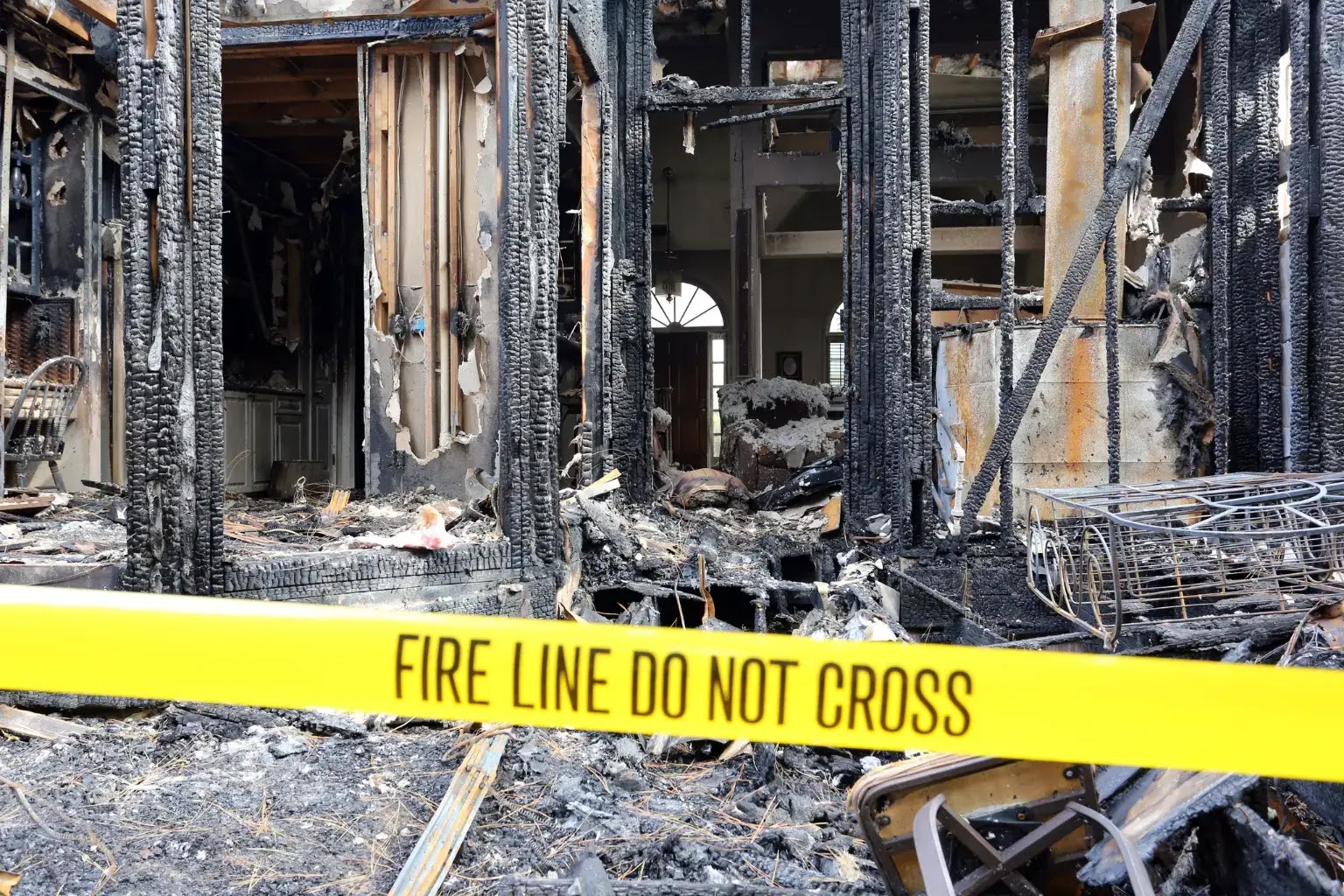
Fire damage refers to destruction caused directly by flames and heat. This is the damage most people recognize right away. Burned drywall, charred framing, melted materials, and weakened structures all fall into this category.
Fire damage often affects:
- Structural framing
- Drywall and insulation
- Flooring
- Cabinets and fixtures
- Roofing materials
Heat can weaken materials even when they are not visibly burned. Wood may lose strength. Metal can warp. Electrical wiring may no longer be safe.
When homeowners compare smoke damage vs fire damage, fire damage is easier to spot because it leaves obvious marks.
What Is Smoke Damage?
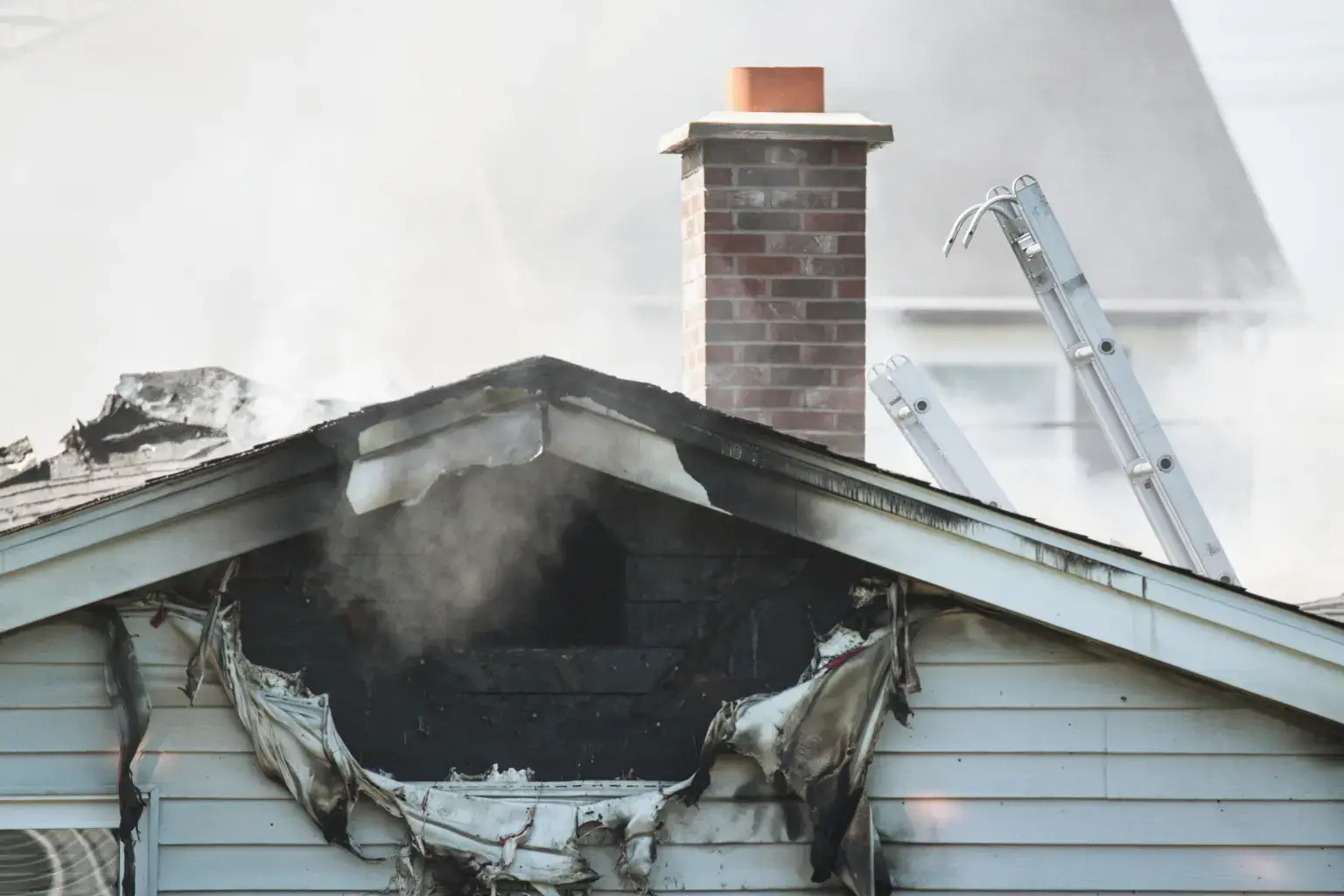
Smoke damage occurs when smoke, gases, and particles spread throughout a home during a fire. Smoke moves quickly and travels far beyond the flames. It enters wall cavities, HVAC systems, closets, and attics.
Smoke damage often includes:
- Soot residue on walls and ceilings
- Strong smoke odor
- Discoloration of surfaces
- Damage to furniture, clothing, and fabrics
In many cases, smoke damage affects more areas of a home than the fire itself.
Smoke Damage vs Fire Damage: Why the Difference Matters
Understanding smoke damage vs fire damage matters because each requires different cleanup methods. Fire damage involves removing burned materials and repairing structure. Smoke damage requires detailed cleaning, odor treatment, and air quality control.
Rooms untouched by flames can still suffer heavy smoke damage. Without proper cleanup, residue and odor remain long after visible repairs are finished.
This is where secondary fire damage becomes a concern.
What Is Secondary Fire Damage?
Secondary fire damage refers to damage caused by smoke, soot, and suppression efforts rather than direct flames.
Examples include:
- Smoke staining far from the fire
- Odor damage after fire
- Soot buildup inside vents and ductwork
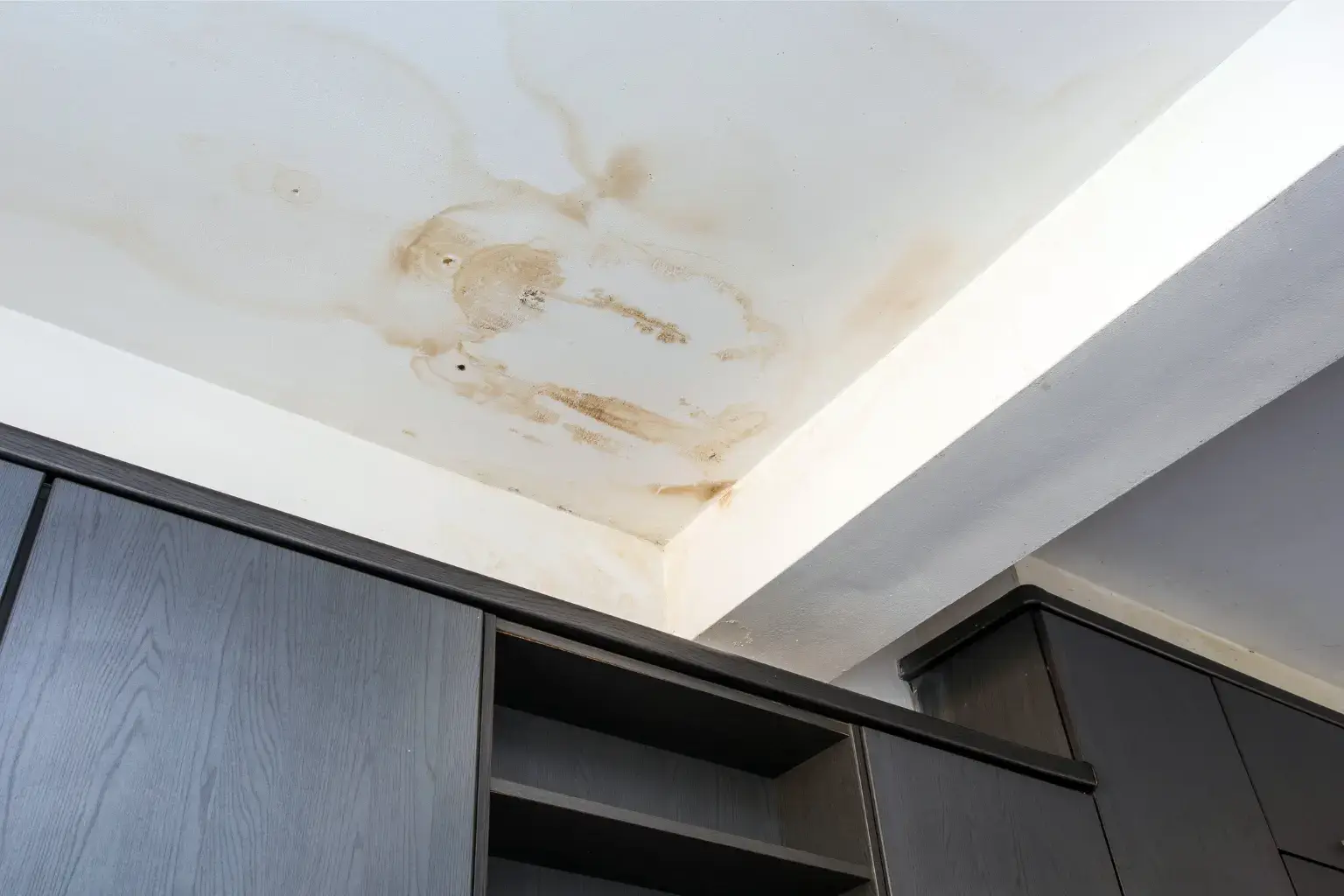
- Moisture damage from firefighting water
When attention is focused only on burned areas, secondary fire damage often goes untreated.
Soot vs Smoke Damage: What’s the Difference?
Understanding soot vs smoke damage helps explain why cleanup is more involved than wiping surfaces.
Smoke is the airborne mixture released during a fire.
Soot is the fine black residue that settles after smoke cools.
Soot damage can:
- Stain walls and ceilings
- Damage electronics
- Corrode metal surfaces
- Penetrate fabrics and porous materials
Improper cleaning can smear soot deeper into surfaces, making damage worse.
Odor Damage After Fire Is Often the Hardest Issue
Odor damage after fire is one of the most frustrating problems homeowners face. Smoke odor clings to walls, insulation, furniture, and personal items.
Clothing and fabrics absorb smoke quickly. Our article Are Smoke-Damaged Clothes Dangerous? explains why smoke exposure affects clothing and why regular washing may not fully remove contaminants.
Air fresheners and open windows don’t solve the issue because odor particles remain embedded in materials.
For a deeper look at odor removal challenges, How to Eliminate Fire Smoke Odor in the House? explains why smoke smells often return after surface cleaning.
Types of Fire Damage Inside Homes
There are several types of fire damage, and most homes experience more than one:
- Flame damage from direct burning
- Heat damage that weakens materials
- Smoke damage that spreads residue and odor
- Soot damage that stains and corrodes
- Water damage from firefighting efforts
Understanding smoke damage vs fire damage helps homeowners see why restoration addresses multiple issues at once.
Fire Residue Cleanup Goes Beyond Surface Cleaning
Fire residue cleanup involves removing soot, ash, and smoke particles from surfaces and indoor air. Residue settles into cracks, fabrics, and ventilation systems.
Household cleaners are not designed for fire residue. Incorrect methods can spread damage or lock odors into materials.
Professional cleanup focuses on removing residue safely without causing further damage.
Health Concerns Related to Smoke and Soot
Smoke residue contains particles released during combustion. These particles can irritate lungs, skin, and eyes. Children, older adults, and people with breathing conditions are often more sensitive.
According to CAL FIRE Safety & Preparedness, smoke exposure can affect indoor air quality long after flames are gone. Even small fires can leave behind harmful particles inside homes.
This is another reason understanding smoke damage vs fire damage is important.
Why Smoke Spreads Throughout the Home
Smoke follows airflow. It moves through doorways, vents, and wall cavities. Heat pressure pushes smoke upward and outward, allowing it to reach rooms far from the fire.
Bedrooms, closets, and storage areas often show smoke damage even when the fire was contained to one space.
Why DIY Cleanup Often Falls Short
Many homeowners try to clean after a fire to regain control of their space. While removing loose debris is understandable, deeper smoke and soot damage often remains.
Improper cleaning methods can spread soot or leave odor trapped behind surfaces. Understanding smoke damage vs fire damage explains why full restoration involves more than visible cleanup.
A/S General Contracting: Local Restoration Experience
A/S General Contracting is a San Diego-based restoration company serving homeowners affected by fire and smoke damage. We understand how different materials respond to heat, smoke, and residue in local homes.
We focus on clear communication and realistic planning. Pricing depends on the size of the affected area, materials involved, and the extent of damage. We explain the process upfront so homeowners know what to expect.
Our goal is to help the community recover safely and thoroughly after fire-related damage.
How We Support the Community With Our Services
If you’re dealing with the aftermath of a fire and trying to understand smoke damage vs fire damage, our services are designed to help San Diego homeowners with complete restoration support:
We take pride in supporting our local community by addressing both visible damage and the hidden issues that affect long-term comfort and safety.
Contact a Local Fire Restoration Expert Today
If your home has been affected by a fire, understanding smoke damage vs fire damage is an important first step. Damage doesn’t stop at what you can see, and proper restoration helps protect both the structure and the people inside it.
Call A/S General Contracting at (858) 923-5166 to speak with a local restoration professional and discuss next steps. We’re here to help San Diego homeowners move forward after fire damage.