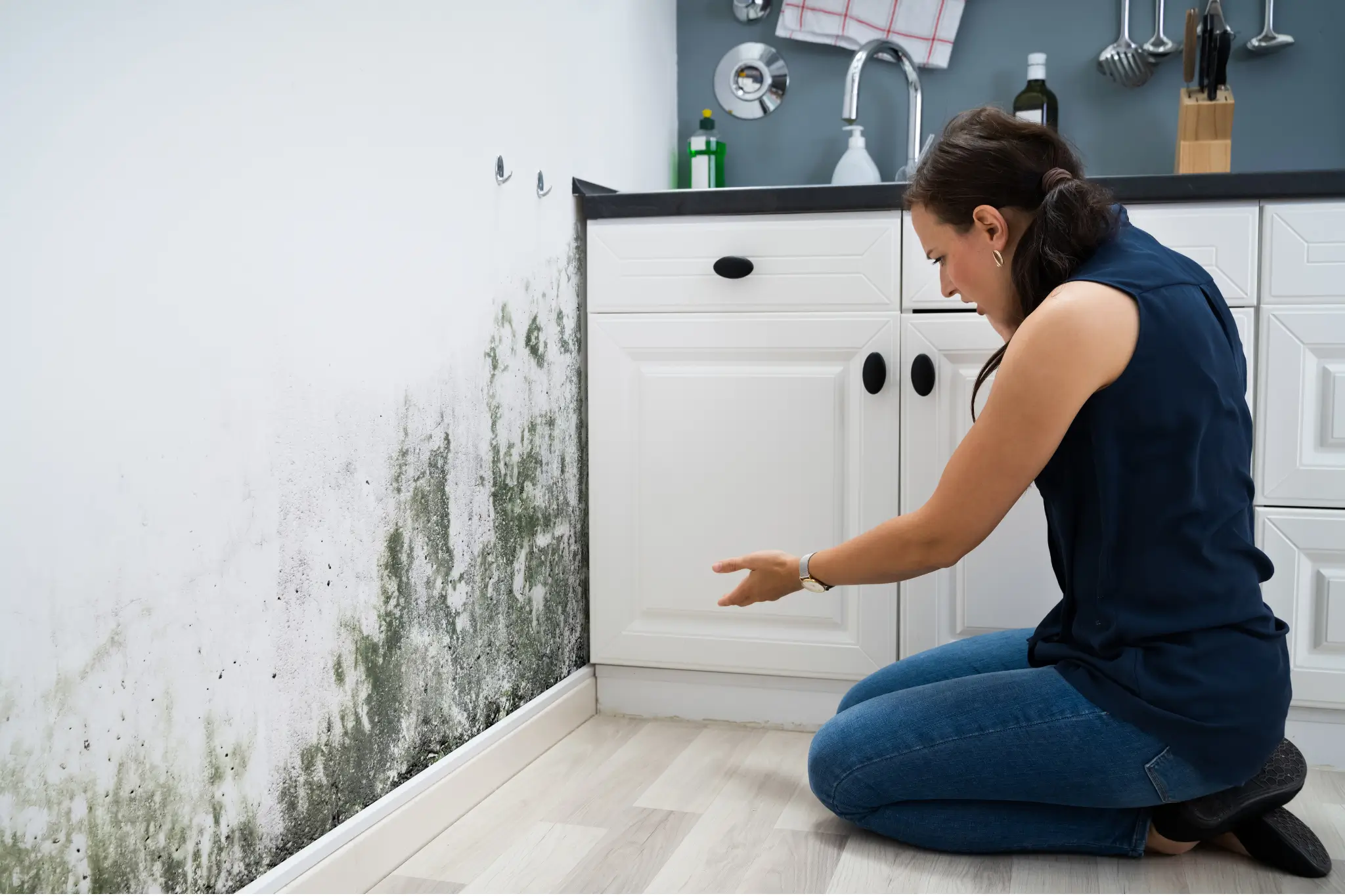
Have you been wondering “can black mold cause acne” after noticing new breakouts in your home? You’re not alone. Many people don’t realize that the black stuff growing in their bathroom or basement could be making their skin problems worse.
While black mold doesn’t directly cause acne the same way bacteria does, it can definitely make your skin break out in other ways. Let’s explore how mold exposure affects your skin and what you can do about it.
What Is Black Mold and How Does It Affect Your Skin?
Black mold is a type of fungus that loves damp, dark places. According to the Centers for Disease Control and Prevention, mold can cause skin rashes and irritation in many people. When you’re exposed to mold spores, your body might react by developing skin problems that look similar to acne.
The question “can black mold cause acne” is more complex than a simple yes or no. While true acne comes from clogged pores and bacteria called P. acnes, mold exposure can trigger skin reactions that create bumps, redness, and irritation that people mistake for acne breakouts.
5 Ways Black Mold Exposure Can Lead to Acne-Like Breakouts
1. Allergic Skin Reactions
When you breathe in mold spores or they touch your skin, your immune system might overreact. The Environmental Protection Agency explains that mold can cause allergic responses including skin rashes. These rashes can look like small bumps or red spots that resemble acne.
If you’re asking yourself “can black mold cause acne in my specific case,” pay attention to when your breakouts happen. Do they get worse after you spend time in damp areas of your home? This could be a sign of mold-related skin reactions.
2. Weakened Immune System
Constant exposure to mold toxins can wear down your body’s defenses. When your immune system is busy fighting mold, it has less energy to keep your skin healthy. This can make you more likely to get skin infections and breakouts.
People with compromised immune systems are especially at risk. If you already have health problems, the answer to “can black mold cause acne” might be yes for you.
3. Increased Inflammation
Mold exposure causes inflammation throughout your body, including in your skin. According to Mayo Clinic research, inflammation plays a big role in acne development. When mold triggers inflammation, it can make existing acne worse or cause new breakouts.
4. Stress Response
Living with mold problems creates physical and mental stress. Your body releases stress hormones that can increase oil production in your skin. More oil means more clogged pores and more acne. So while you might wonder “can black mold cause acne directly,” the stress from mold exposure definitely can.
5. Poor Indoor Air Quality
Mold makes your indoor air quality worse. When you’re breathing in contaminated air all the time, toxins can affect your skin health. Poor air quality combined with mold spores creates the perfect storm for skin problems.
How to Tell if Mold Is Causing Your Skin Problems
If you’re still wondering “can black mold cause acne in my situation,” look for these warning signs:
Your breakouts started after moving to a new home or after water damage. You notice your skin gets worse when you spend time in certain rooms. Other family members are also getting skin rashes or respiratory problems. You can see or smell mold in your home. Your acne doesn’t respond to typical acne treatments.
Remember, black mold on furniture and other surfaces can release spores into the air that affect your skin even if you don’t touch the mold directly.
The Difference Between Mold Rash and Regular Acne
When people ask “can black mold cause acne,” they often mean can it cause bumps that look like acne. Here’s how to tell the difference:
Mold-related skin reactions usually appear as red, itchy bumps or patches. They might burn or sting rather than just feeling sore like regular pimples. The rash often appears on areas exposed to air, not just your face. Regular acne typically shows up as whiteheads, blackheads, or pus-filled bumps mainly on your face, chest, and back.
What to Do if You Suspect Mold Is Affecting Your Skin
If you think the answer to “can black mold cause acne” is yes in your case, take these steps:
First, get your home inspected by professionals. Getting a free mold inspection can help you find hidden mold problems that might be affecting your skin.
Next, see a doctor or dermatologist. They can help determine if your skin problems are related to mold exposure or if you have regular acne that needs different treatment.
Don’t try to clean large mold areas yourself. Professional mold remediation services have the right equipment and knowledge to safely remove mold without spreading spores throughout your home.
Preventing Mold-Related Skin Problems
The best way to prevent asking “can black mold cause acne” is to stop mold before it starts growing:
Keep humidity levels below 50% in your home. Fix water leaks immediately. Use exhaust fans in bathrooms and kitchens. Clean and dry wet areas within 24-48 hours. Check for mold regularly in damp areas like basements, bathrooms, and around windows.
When Mold Exposure Becomes Dangerous
While you might start by wondering “can black mold cause acne,” mold exposure can cause much more serious health problems. According to the CDC, some people develop severe allergic reactions, breathing problems, or lung infections from mold exposure.
Children, elderly people, and those with existing health conditions are at higher risk for serious mold-related health problems. If anyone in your family has trouble breathing, persistent cough, or severe skin reactions, see a doctor right away.
Professional Treatment Options
If you’ve confirmed that the answer to “can black mold cause acne” is yes for your situation, you need professional help. Trying to clean mold yourself often makes the problem worse by spreading spores to new areas.
Professional mold removal experts use special equipment to contain the mold and prevent it from spreading. They also identify and fix the moisture problems that allowed mold to grow in the first place.
For your skin, a dermatologist can prescribe treatments that help heal mold-related skin damage and prevent future breakouts.
Don’t Ignore the Connection
Many people never consider that their skin problems might be connected to their indoor environment. If you’ve been struggling with persistent breakouts and asking “can black mold cause acne,” the answer might explain why your regular acne treatments aren’t working.
Mold exposure affects everyone differently. Some people get respiratory symptoms, others get skin problems, and some people get both. The important thing is to take mold problems seriously and get professional help.
Your health and your family’s health are worth the investment in proper mold inspection and removal. Don’t wait for the problem to get worse.
Get Professional Help Today
If you suspect mold might be causing your skin problems, don’t wait to get help. The longer you’re exposed to mold, the worse your health problems can become.
A/S General Contracting has over 15 years of experience helping San Diego families deal with mold problems. Our certified professionals can inspect your home, identify mold sources, and safely remove all traces of mold to protect your family’s health.
We understand that wondering “can black mold cause acne” is just the beginning. Once you know you have a mold problem, you need fast, effective solutions that keep your family safe.
Ready to find out if mold is affecting your skin health? Contact us today for a comprehensive inspection and get back to clear, healthy skin.