Water leaks can sneak up on you like a thief in the night. You might be asking yourself “how can I find a water leak in my house?” Don’t worry – you’re not alone. Every year, homeowners across San Diego County discover hidden leaks that have been quietly causing damage behind walls, under floors, and in places they never thought to look. The good news is that learning how to find water leaks doesn’t require special skills or expensive tools. With the right knowledge and a little detective work, you can spot these sneaky leaks before they turn into expensive nightmares.
Finding water leaks early can save you thousands of dollars in repairs. According to the Environmental Protection Agency, the average household’s leaks can waste nearly 10,000 gallons of water every year. That’s enough water to do 270 loads of laundry! Even worse, hidden leaks can cause serious health problems by creating the perfect conditions for mold growth. The Centers for Disease Control and Prevention warns that exposure to damp environments can cause coughing, wheezing, and other respiratory problems.
Why Finding Water Leaks in Your House Matters More Than You Think
When you’re wondering “how can I find a water leak in my house,” it’s important to understand why this matters so much. Water leaks aren’t just about higher water bills. They’re about protecting your family’s health and your home’s value. Small leaks that go unnoticed can quickly become big problems that cost thousands to fix.
Think about it this way: a tiny leak that drips just once per second wastes more than 3,000 gallons per year. That’s like leaving your faucet running for 6 hours straight! But the real danger isn’t just the wasted water. According to IICRC standards, water damage that isn’t fixed within 24-48 hours can lead to serious mold growth. This mold can make your family sick and destroy your home’s structure.
Water leaks can also cause your foundation to weaken, your wooden floors to rot, and your electrical systems to become dangerous. In San Diego’s coastal climate, the combination of humidity and hidden moisture creates perfect conditions for these problems to get worse quickly. That’s why knowing how to find water leaks in your house is so important for every homeowner.
Common Signs That Answer “How Can I Find a Water Leak in My House?”
Before we get into the step-by-step process of how to find water leaks, let’s talk about the warning signs. These clues can help you figure out if you have a leak before you even start looking. If you notice any of these signs, it’s time to start your detective work.
Your water bill is higher than usual, even though you haven’t changed how much water you use. This is often the first sign that something is wrong. If your bill jumps up without explanation, you probably have a leak somewhere in your system. The EPA recommends checking your winter water usage. If a family of four uses more than 12,000 gallons in a winter month, you likely have a serious leak.
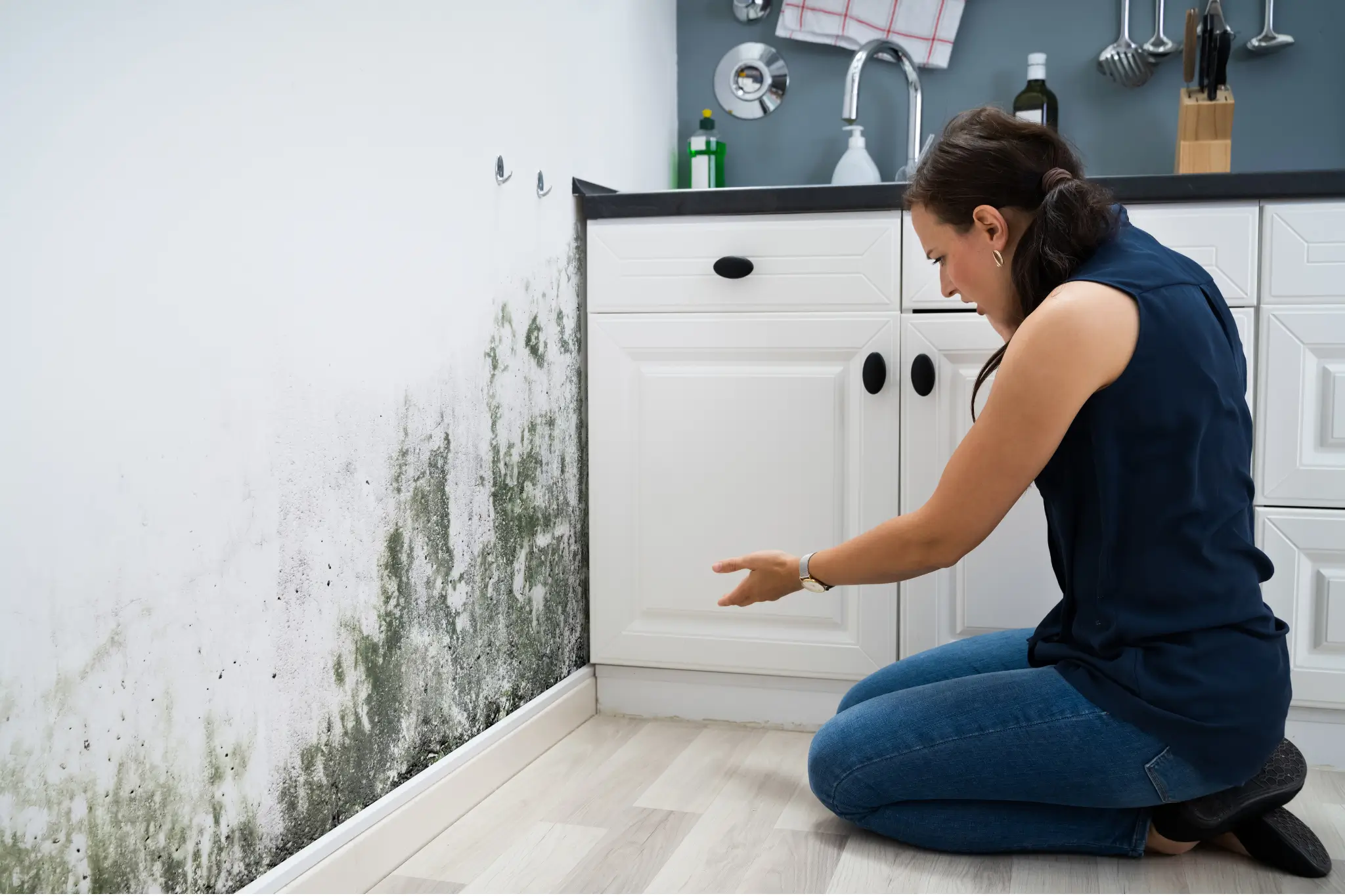
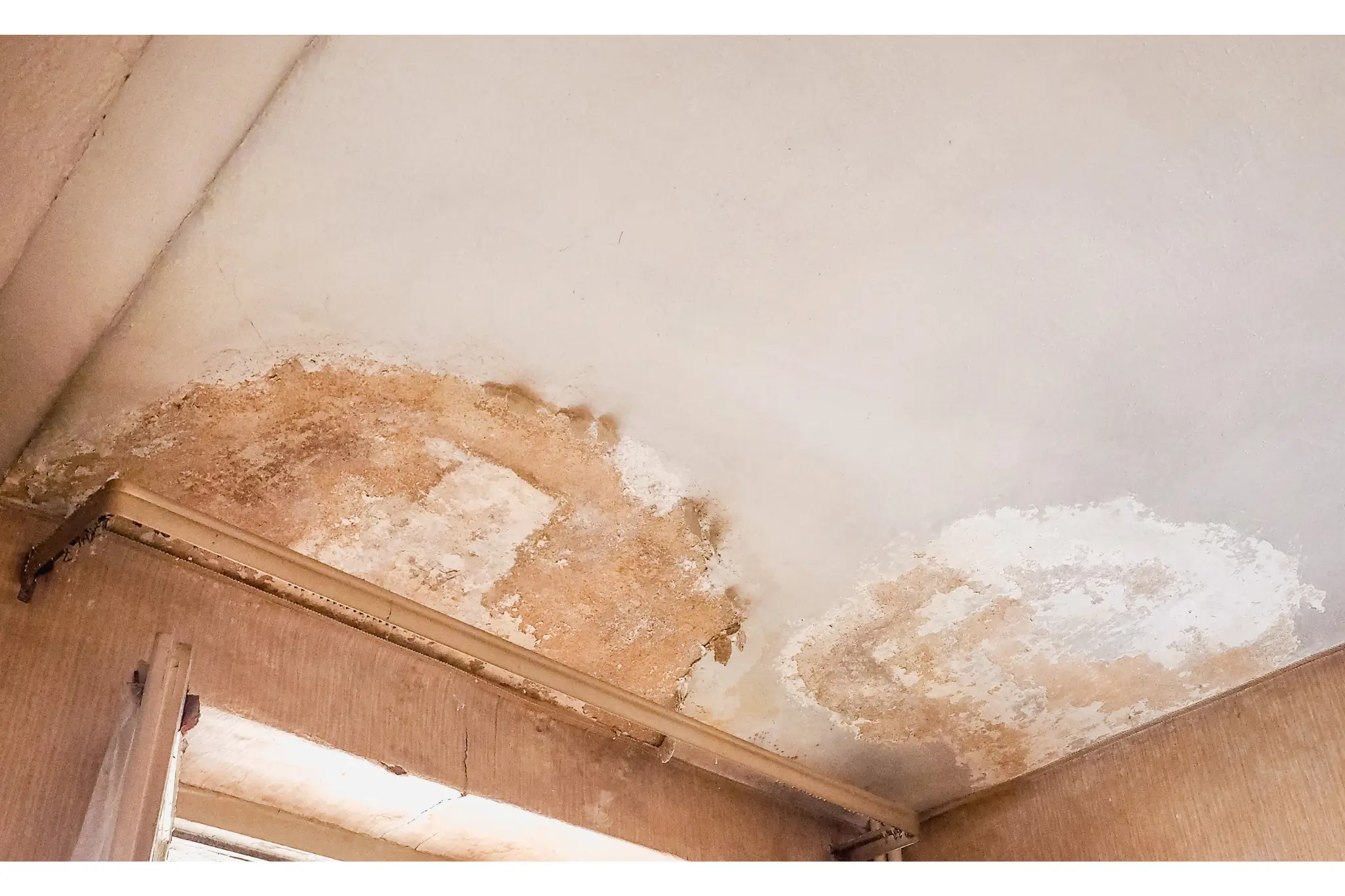
You might also notice musty smells in certain areas of your home. This earthy, damp smell often means water is hiding somewhere it shouldn’t be. You might see brown or yellow stains on your walls or ceilings, which are classic signs of water damage. Paint might start bubbling or peeling, and you might even see small cracks appearing on walls or ceilings.
In some cases, you might hear the sound of running water when all your faucets are turned off. This mysterious sound usually means you have a leak in your pipes. You might also notice that your water pressure has dropped, which can happen when water is escaping through a crack or hole in your plumbing system. For homeowners in areas like Del Mar or Encinitas, the coastal humidity can make these problems worse, so it’s extra important to stay alert for these warning signs.
Step-by-Step Guide: How Can I Find a Water Leak in My House
Now let’s get to the heart of the matter. When you’re asking “how can I find a water leak in my house,” here’s your simple 5-step plan to track down those sneaky leaks. These steps work for any home, whether you live in a new house in Carlsbad or an older property in Chula Vista.
Step 1: Check Your Water Meter
Your water meter is like a detective’s best friend when you’re trying to figure out how to find water leaks in your house. Here’s how to use it: First, turn off all the water in your home. This means no washing machines, dishwashers, toilets flushing, or faucets running. Make sure everyone in your family knows not to use any water for the next hour or two.
Find your water meter (usually near the street) and write down the current reading. Wait about 2 hours without using any water, then check the meter again. If the reading has changed, congratulations – you’ve found proof that you have a leak somewhere. If the meter moved just a little bit, you probably have a slow leak. If it moved a lot, you might have a bigger problem that needs emergency water removal services.
Step 2: Inspect Your Toilets
Toilets are sneaky when it comes to leaks. They can waste hundreds of gallons without making obvious signs. Here’s a simple test: put a few drops of food coloring in your toilet tank (the part behind the toilet seat). Wait about 10 minutes without flushing. If you see colored water in the toilet bowl, you have a leak in your toilet’s flapper or other internal parts.
This test works because water should only flow from the tank to the bowl when you flush. If colored water appears when you haven’t flushed, it means water is constantly leaking from the tank into the bowl. This type of leak can waste up to 200 gallons per day! The good news is that this is usually an easy fix that involves replacing a rubber flapper that costs just a few dollars.
Step 3: Check Faucets and Showerheads
Walk around your house and look at every faucet and showerhead. Even small drips can add up to big problems. A faucet that drips once per second wastes over 3,000 gallons per year. A showerhead that leaks 10 drips per minute wastes more than 500 gallons annually.
Look for water around the base of faucets, which might indicate a leak in the plumbing connections underneath. Check shower walls for loose tiles or damaged grout, which can let water seep behind walls. In San Diego’s climate, even small amounts of moisture can quickly lead to mold growth, so don’t ignore these seemingly minor issues.
Step 4: Examine Appliances and Water-Using Equipment
Your washing machine, dishwasher, water heater, and refrigerator (if it makes ice) all use water and can develop leaks. Check around these appliances for signs of water damage like warped floors, water stains, or musty smells. Look at the hoses and connections for any obvious drips or wet spots.
Pay special attention to your water heater. Look for rust, corrosion, or water pooling around the base. A failing water heater can cause serious flood damage if it suddenly bursts. Also check your washing machine hoses – these should be replaced every 3-5 years to prevent unexpected failures.
Step 5: Look for Hidden Leaks
The trickiest part of learning how to find water leaks in your house is finding the ones you can’t see. These hidden leaks often cause the most damage because they go unnoticed for months or years. Look for soft spots on your floors, especially near bathrooms and kitchens. Check for warm spots on your floor, which might indicate a hot water line leak underneath.
In your yard, look for unusually green or lush spots of grass, which might indicate an underground leak. Check your irrigation system for broken sprinkler heads or wet spots around the system. According to the EPA, an irrigation system leak just 1/32 of an inch wide can waste about 6,300 gallons per month.
When You Can’t Find the Leak: Time to Call the Experts
Sometimes, even after following all these steps, you might still be wondering “how can I find a water leak in my house?” Don’t give up! Some leaks are just too well hidden for the average homeowner to find. Professional leak detection specialists have special tools like electronic listening devices, thermal cameras, and moisture meters that can find leaks behind walls and under concrete slabs.
If your water meter test showed you have a leak but you can’t find it, or if you notice signs of water damage but can’t locate the source, it’s time to call professionals. Hidden water leak repair jobs often require special equipment and expertise to avoid damaging your walls, floors, or foundation.
Professional water damage restoration companies follow IICRC guidelines to make sure leaks are found and fixed properly. These standards help ensure that your home is not only repaired but also safe from future mold and moisture problems. In emergency situations, companies like A/S General Contracting offer 24/7 response to prevent small leaks from becoming major disasters.
Health Risks You Should Know About
When you’re learning how to find water leaks in your house, it’s important to understand the health risks involved. The CDC warns that water damage can create dangerous conditions in your home. Mold can start growing within 24-48 hours of water exposure, and some types of mold can cause serious health problems.
If water damage has allowed bacteria to grow in your home, you or your family members might experience symptoms like stuffy nose, red or itchy eyes, skin rash, coughing, or wheezing. People with asthma or allergies might have worse reactions. Children, elderly people, and anyone with breathing problems are at higher risk.
This is why it’s so important to fix water leaks quickly and properly. If you find significant water damage or suspect mold growth, don’t try to clean it up yourself. Large mold problems require professional mold remediation to make sure your home is safe again.
Preventing Future Water Leaks
Now that you know how to find water leaks in your house, let’s talk about preventing them in the first place. Regular maintenance can help you avoid many common leak problems. Check your plumbing fixtures and connections at least once a year. Replace washing machine hoses every 3-5 years, and consider upgrading to braided stainless steel hoses, which are less likely to fail.
Keep your home’s humidity levels between 30-50% to prevent condensation problems. In San Diego’s coastal areas, this might mean using dehumidifiers during certain times of the year. Make sure your gutters are clean and properly directing water away from your foundation. Poor drainage can cause water to pool around your home and eventually find its way inside.
Consider installing water leak detection devices in high-risk areas like near your water heater, washing machine, and under sinks. These devices can alert you to leaks before they cause major damage. Some smart home systems can even automatically shut off your water if a leak is detected.
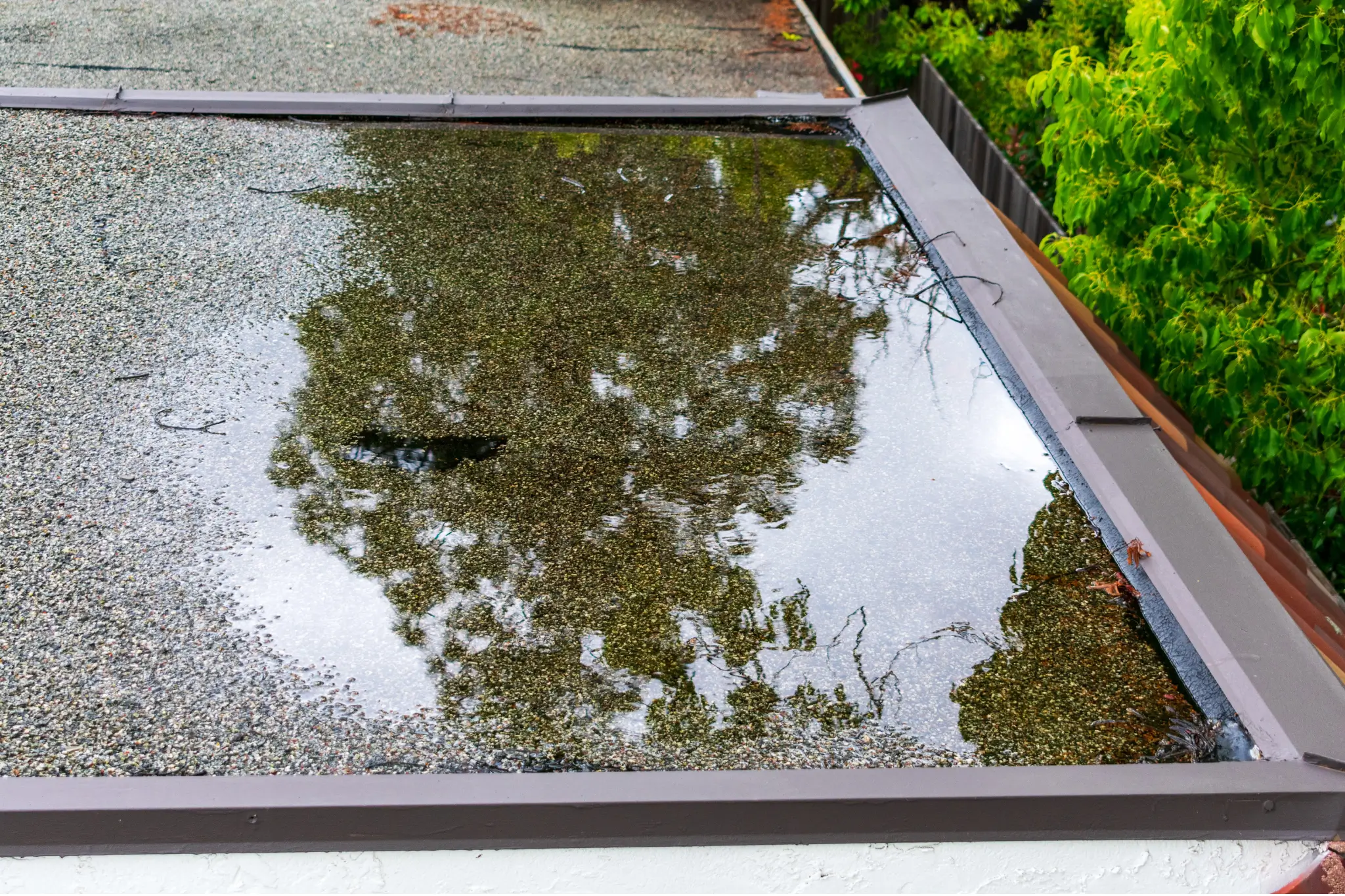
Regular inspection of your roof, especially after storms, can help you catch leaks before they damage your ceilings and walls. Look for missing or damaged shingles, and check around vents, chimneys, and other roof penetrations where leaks commonly start.
What to Do If You Find a Major Leak
If your investigation into “how can I find a water leak in my house” reveals a serious problem, don’t panic. First, turn off the water supply to your home at the main shutoff valve. This will stop more water from entering your home and causing additional damage. If you can’t find or reach the main shutoff, call your water company for emergency assistance.
Next, turn off electricity to any areas where water might have reached electrical outlets or appliances. Water and electricity are extremely dangerous together. If you’re not sure it’s safe, stay out of the area and call professionals immediately.
Start removing water as quickly as possible using mops, towels, or a wet/dry vacuum if it’s safe to do so. Move furniture and belongings away from the water if you can do it safely. Take pictures of the damage for your insurance company before you start cleanup efforts.
Call a professional water damage restoration company as soon as possible. Time is critical when dealing with water damage. The faster you act, the more likely you are to prevent mold growth and save your belongings. Professional restoration companies have specialized equipment for structural drying and can help prevent long-term damage to your home.
Working With Your Insurance Company
Once you’ve found a water leak in your house, you might need to file an insurance claim. Most homeowners’ insurance policies cover sudden and accidental water damage, but they typically don’t cover damage from leaks that developed slowly over time. This is another reason why learning how to find water leaks early is so important.
Document everything with photos and videos before you start any cleanup. Keep records of all expenses related to the leak and repairs. Your insurance company will want to see proof of the damage and the steps you took to prevent further problems.
Professional restoration companies can help with insurance claim support, providing detailed documentation and working directly with your insurance adjuster. This can take a lot of stress off your shoulders during an already difficult time.
Don’t Wait – Take Action Today
Learning how to find water leaks in your house is one of the most important skills you can have as a homeowner. Water damage doesn’t wait for a convenient time to strike, and small problems can quickly become expensive disasters. By following the steps in this guide, you can catch leaks early and protect your family’s health and your home’s value.
Remember, if you find signs of water damage or suspect you have leaks you can’t locate, don’t try to handle it alone. Professional help is just a phone call away. A/S General Contracting has been helping San Diego County homeowners deal with water damage for over 15 years. Our IICRC-certified technicians can quickly locate hidden leaks and provide comprehensive restoration services to get your home back to normal.
Whether you need help with understanding water damage timelines or require emergency response, we’re here to help. Our team understands that water damage can be stressful and overwhelming, which is why we offer free inspections to help you understand the extent of any problems.
Don’t let a small leak become a big problem. If you’ve found water damage in your home or need professional help locating a leak, contact A/S General Contracting today for a free assessment. We’re available 24/7 for emergency situations because we know that water damage doesn’t wait for business hours. Protect your home and your family’s health by taking action now.