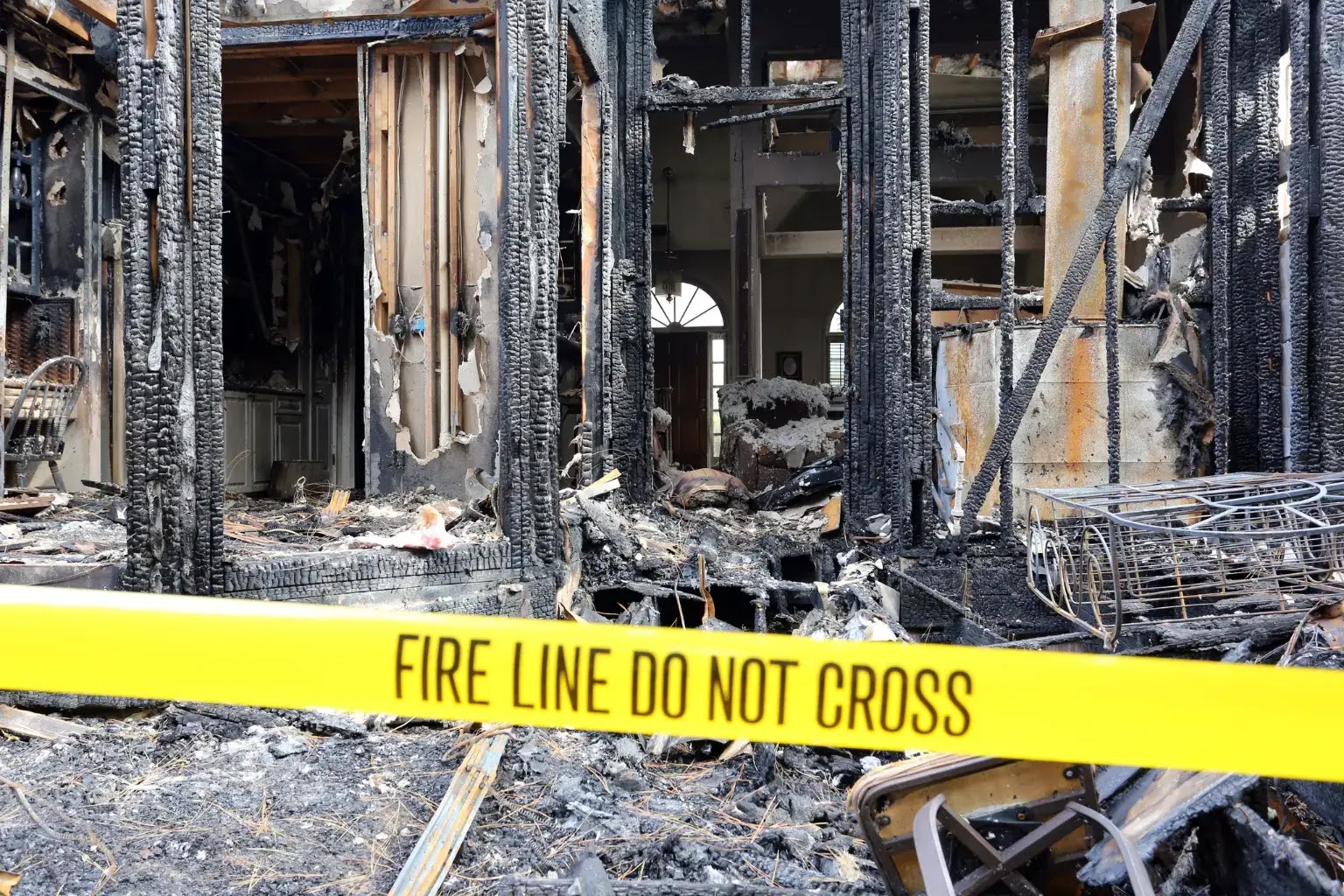
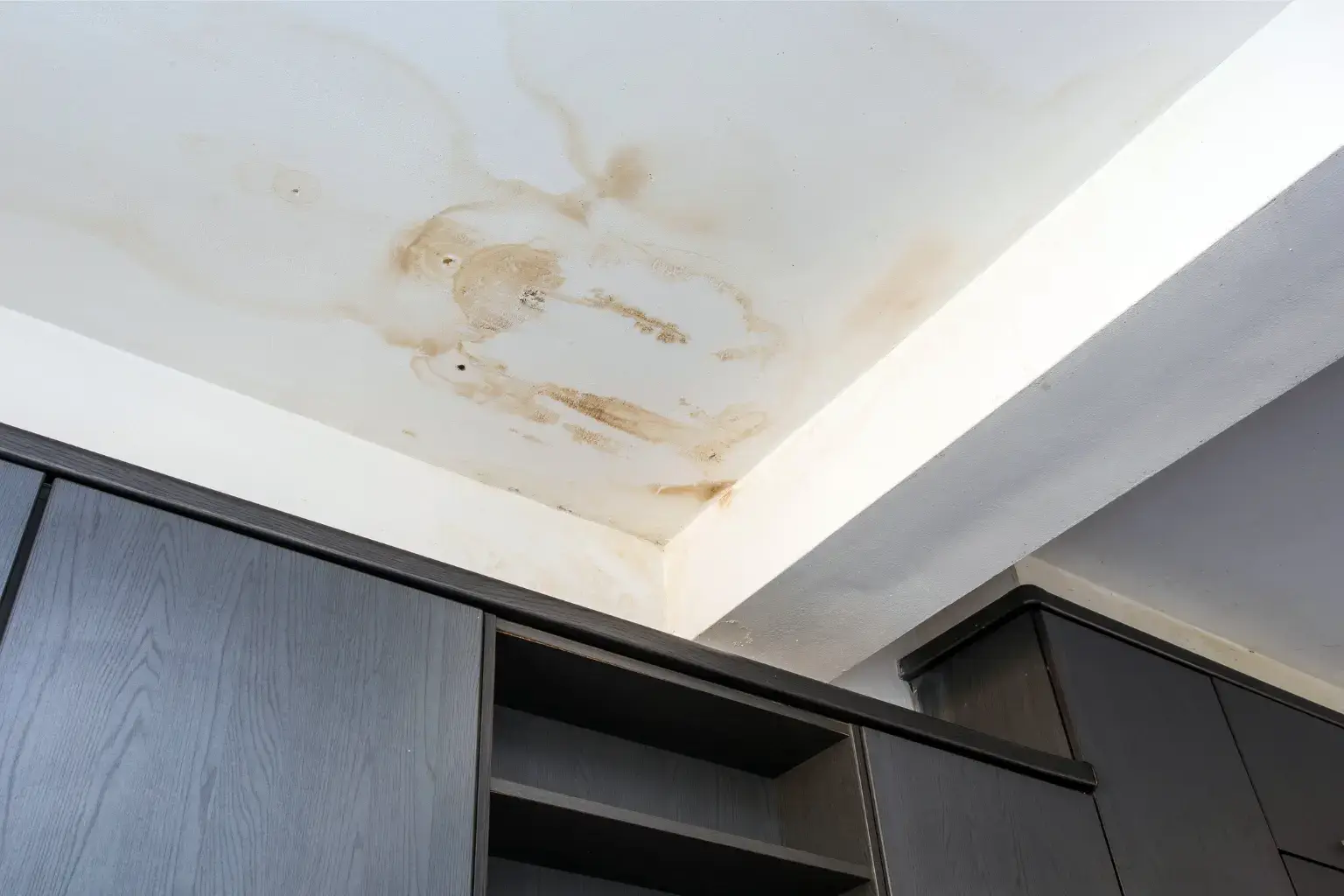
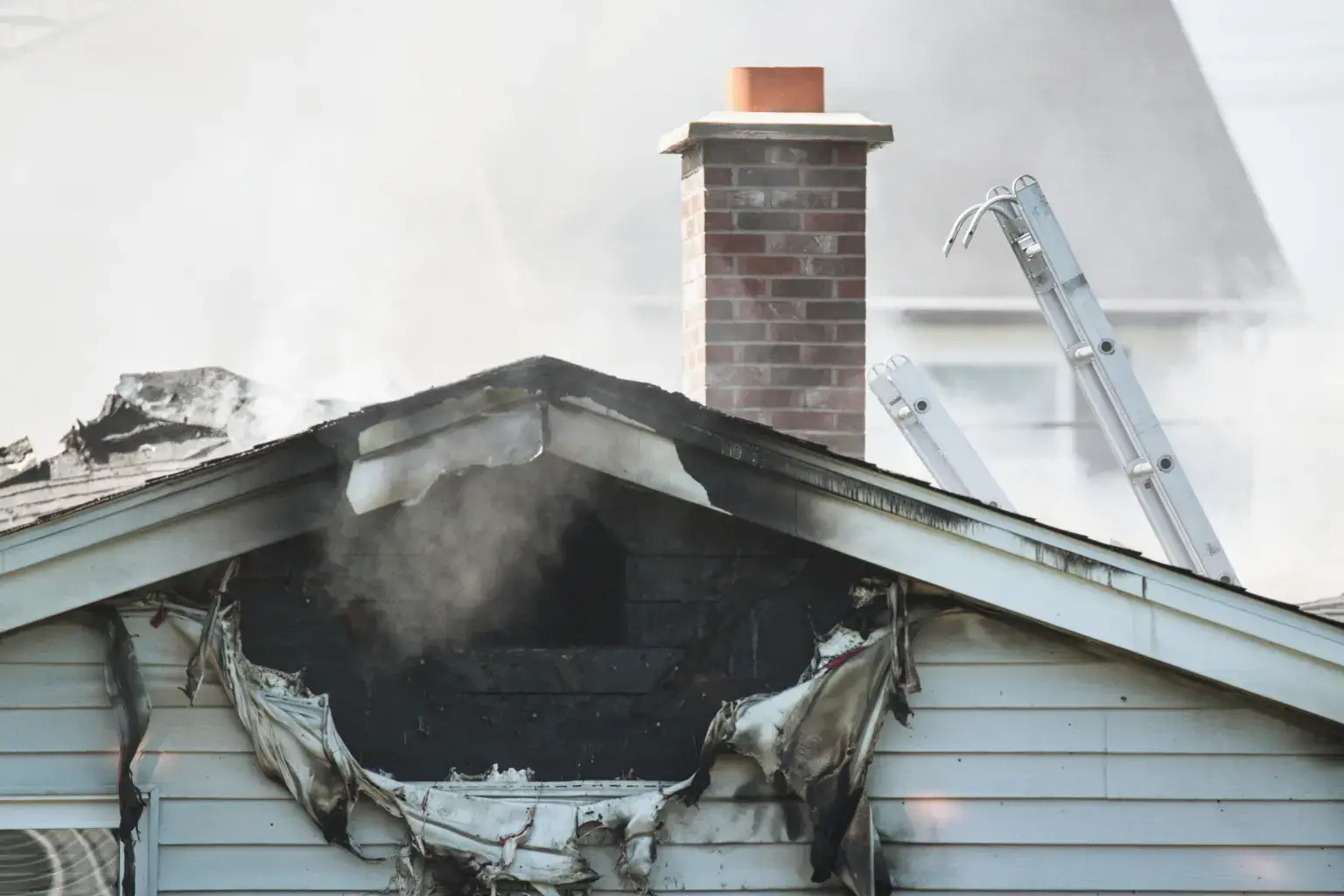
Yes, smoke-damaged clothes are dangerous to wear and can pose serious health risks to you and your family. When fires occur, clothing absorbs toxic chemicals, heavy metals, and microscopic particles that remain embedded in fabric fibers even after basic washing. These contaminants can cause respiratory problems, skin irritation, and long-term health effects through direct contact and inhalation.
If you’re dealing with smoke-damaged clothing after a fire, understanding these health risks can help you make smart decisions about what to save and what to throw away. Many homeowners don’t realize that smoke-damaged clothes are dangerous because the toxic substances are often invisible and odorless.
What Makes Smoke-Damaged Clothes So Dangerous?
During a fire, smoke contains a toxic mix of chemicals that come from burning materials in your home. According to the EPA’s research on smoke exposure, these microscopic particles can get into fabric fibers and stay there long after the fire is out.
The smoke that makes clothes dangerous after fire damage includes:
• Carbon monoxide and carbon dioxide
• Volatile organic compounds (VOCs)
• Heavy metals like lead and mercury
• Toxic chemicals from burning plastics
• Microscopic soot particles
These substances don’t just sit on the surface. They penetrate deep into fabric fibers, making smoke-damaged clothes dangerous even when they look clean. Professional testing has found toxic chemicals in clothing even after commercial cleaning and ozone treatment.
7 Health Risks From Wearing Smoke-Damaged Clothing
1. Respiratory Problems and Lung Damage
The biggest reason why smoke-damaged clothes are dangerous is their impact on your breathing. Toxic particles trapped in fabric can become airborne when you move, causing you to breathe in harmful chemicals. This can lead to:
• Coughing and throat irritation
• Asthma attacks in sensitive people
• Bronchitis and lung inflammation
• Long-term breathing problems
Children and elderly family members face the highest risk because their respiratory systems are more sensitive to these contaminants.
2. Skin Irritation and Allergic Reactions
Direct skin contact with contaminated fabric can cause immediate and long-term skin problems. Are smoke-damaged clothes dangerous for your skin? Absolutely. The acidic chemicals in smoke residue can cause:
• Red, itchy rashes
• Chemical burns on sensitive skin
• Worsening of existing skin conditions like eczema
• Persistent dryness that doesn’t respond to lotions
3. Eye Irritation and Vision Problems
Particles released from smoke-damaged clothes can irritate your eyes, causing watery, red, and burning sensations. People often don’t connect their eye problems to contaminated clothing, but these symptoms can persist as long as you’re wearing or handling the affected items.
4. Headaches and Neurological Symptoms
Many chemicals found in smoke affect your nervous system. Research shows that wearing smoke-damaged clothes can be dangerous because exposure to these toxins may cause:
• Persistent headaches
• Dizziness and confusion
• Difficulty concentrating
• Nausea and fatigue
5. Cancer Risk From Long-Term Exposure
This is perhaps the most serious reason why smoke-damaged clothes are dangerous. Many chemicals found in fire smoke are known carcinogens. Laboratory testing of fire-damaged clothing has found substances linked to increased cancer risk, including benzene and other toxic compounds.
6. Reproductive Health Concerns
According to EPA research on vulnerable populations, pregnant women face special risks from smoke exposure. Wearing smoke-damaged clothes during pregnancy could potentially affect fetal development.
7. Weakened Immune System
Constant exposure to toxic chemicals can stress your immune system, making you more susceptible to infections and illness. This explains why some people feel sick after wearing clothing from a fire-damaged home.
Understanding Different Types of Smoke Damage
Not all smoke-damaged clothes are equally dangerous, but all types pose health risks. Understanding the different kinds of smoke helps you make better decisions:
Dry Smoke Damage
This comes from high-temperature fires that burn fast, usually involving paper and wood. The residue is powdery and easier to clean, but clothes with dry smoke damage are still dangerous because particles can penetrate deep into fibers.
Wet Smoke Damage
Low-temperature fires create sticky, smelly residue that’s harder to remove. This type makes smoke-damaged clothes particularly dangerous because the thick residue traps more toxic chemicals against the fabric.
Fuel Smoke Damage
When petroleum products burn, they create especially toxic smoke. Clothing exposed to fuel smoke contains some of the most dangerous chemicals, making professional evaluation essential.
Protein Smoke Damage
This nearly invisible smoke from burning organic materials can be deceptive. Even though you might not see obvious damage, protein smoke makes clothes dangerous by depositing toxic substances that cause strong odors and health problems.
When Should You Save vs. Discard Smoke-Damaged Clothes?
The question “are smoke-damaged clothes dangerous enough to throw away?” depends on several factors. Here’s what professional restoration experts consider:
Always Discard:
• Heavily contaminated items with thick soot buildup
• Children’s clothing and bedding (higher health risks)
• Undergarments and intimate apparel
• Items with strong chemical odors after cleaning
• Anything synthetic that melted or warped from heat
Consider Professional Restoration:
• Valuable or sentimental items
• Natural fiber clothing with light smoke exposure
• Items that can be thoroughly tested after cleaning
• Washable fabrics without synthetic materials
Professional fire damage restoration specialists can help you make these difficult decisions based on the specific type of damage and your family’s health needs.
Why Professional Cleaning Isn’t Always Enough
Many people assume that professional dry cleaning makes smoke-damaged clothes safe to wear. Unfortunately, research shows this isn’t always true. A comprehensive study found toxic chemicals and heavy metals in children’s clothing even after professional cleaning and ozone treatment.
The study discovered chemicals that can cause:
• Serious poisoning
• Liver and kidney damage
• Respiratory failure
• Increased risk of premature delivery in pregnant women
This research proves that smoke-damaged clothes remain dangerous even after expensive professional cleaning. The IICRC’s new S700 Standard for Fire and Smoke Damage Restoration emphasizes the importance of proper testing to verify that cleaning actually works.
DIY Cleaning Methods and Their Limitations
While some lightly damaged items might be salvageable with proper home cleaning, most smoke-damaged clothes are too dangerous for DIY methods to handle effectively. Home washing machines can’t remove microscopic particles or neutralize toxic chemicals embedded in fabric fibers.
If you decide to try cleaning items yourself:
• Wash items separately from clean clothing
• Use hot water and heavy-duty detergent
• Add white vinegar to help neutralize odors
• Air dry in sunlight when possible
• Never use fabric softeners on smoke-damaged items
However, remember that even after thorough washing, smoke-damaged clothes may still be dangerous if toxic particles remain embedded in the fabric.
The Hidden Danger: Invisible Contamination
One of the scariest aspects of smoke damage is that clothes can be dangerous even when they look and smell normal. Professional testing has found odorless toxic chemicals in clothing that appeared clean after restoration.
This invisible contamination explains why some families experience ongoing health problems after moving back into fire-damaged homes. Proper smoke and soot cleaning requires specialized knowledge and equipment that most cleaning companies don’t have.
Impact on Children and Vulnerable Family Members
Children face the highest risk from contaminated clothing because their developing bodies are more sensitive to toxins. The question “are smoke-damaged clothes dangerous for kids?” has a clear answer: absolutely, and the risks are much higher than for healthy adults.
According to EPA guidelines on vulnerable populations, these groups face elevated risks:
• Children under 15
• Adults over 65
• Pregnant women
• People with asthma or heart disease
• Anyone with compromised immune systems
For these family members, even lightly contaminated clothing should be considered unsafe.
How Smoke Particles Spread Throughout Your Home
Understanding how smoke moves helps explain why smoke-damaged clothes are dangerous even when stored in closed closets. Smoke particles are incredibly small and can travel through:
• Air conditioning ducts
• Electrical outlets
• Gaps under doors
• Closed drawers and closets
This means clothing throughout your home may be contaminated, not just items in rooms directly affected by fire. Professional smoke damage assessment can help determine the full extent of contamination.
The Insurance and Financial Perspective
Many insurance policies cover the replacement of smoke-damaged clothing, recognizing that these items can be dangerous to keep. Working with experienced restoration professionals helps ensure you get fair compensation for contaminated belongings while protecting your family’s health.
The cost of professional evaluation and cleaning often exceeds the value of most clothing items. When you factor in the health risks, replacement usually makes more financial sense than restoration attempts.
Professional Fire Damage Restoration: Your Best Protection
When dealing with fire damage, working with IICRC-certified restoration professionals gives you the expertise needed to make safe decisions about contaminated items. These specialists understand exactly why smoke-damaged clothes are dangerous and can help you navigate the complex process of determining what’s safe to keep.
Professional fire restoration includes:
• Comprehensive damage assessment
• Safe removal and disposal of contaminated items
• Proper cleaning of salvageable belongings
• Air quality testing and improvement
• Documentation for insurance claims
At A/S General Contracting, our IICRC-certified team has over 15 years of experience helping San Diego families recover from fire damage safely. We understand the serious health risks associated with smoke contamination and follow the latest industry standards to protect your family.
Steps to Take Right After Fire Damage
If you’re wondering “are my smoke-damaged clothes dangerous to handle right now?”, the answer is yes. Here’s what to do immediately:
1. Don’t wear or handle contaminated clothing without protection
2. Ventilate your home if it’s safe to do so
3. Keep contaminated items away from clean areas
4. Contact professional restoration specialists immediately
5. Document everything for your insurance claim
Remember that smoke particles continue to release toxic chemicals for weeks or months after a fire, making quick professional intervention essential.
Don’t Risk Your Family’s Health
The evidence is clear: smoke-damaged clothes are dangerous and pose serious health risks that shouldn’t be ignored. While losing clothing and personal items in a fire is emotionally difficult, protecting your family’s long-term health must come first.
Professional testing can confirm whether items are safe, but in many cases, replacement is the only way to ensure your family’s safety. The toxic chemicals found in fire-damaged clothing can cause immediate health problems and increase long-term cancer risk.
If you’re dealing with fire or smoke damage in San Diego County, don’t take chances with your family’s health. Contact A/S General Contracting for a free inspection and professional guidance on safely handling contaminated belongings.
Our experienced team can help you understand which items are salvageable and which pose unacceptable health risks. We work directly with your insurance company to ensure you get proper compensation for replacing dangerous contaminated items.
Don’t wait – smoke contamination gets worse over time. Contact A/S General Contracting today for expert fire damage restoration services that put your family’s safety first. Call us at 858-567-0146 for immediate assistance and a free consultation.