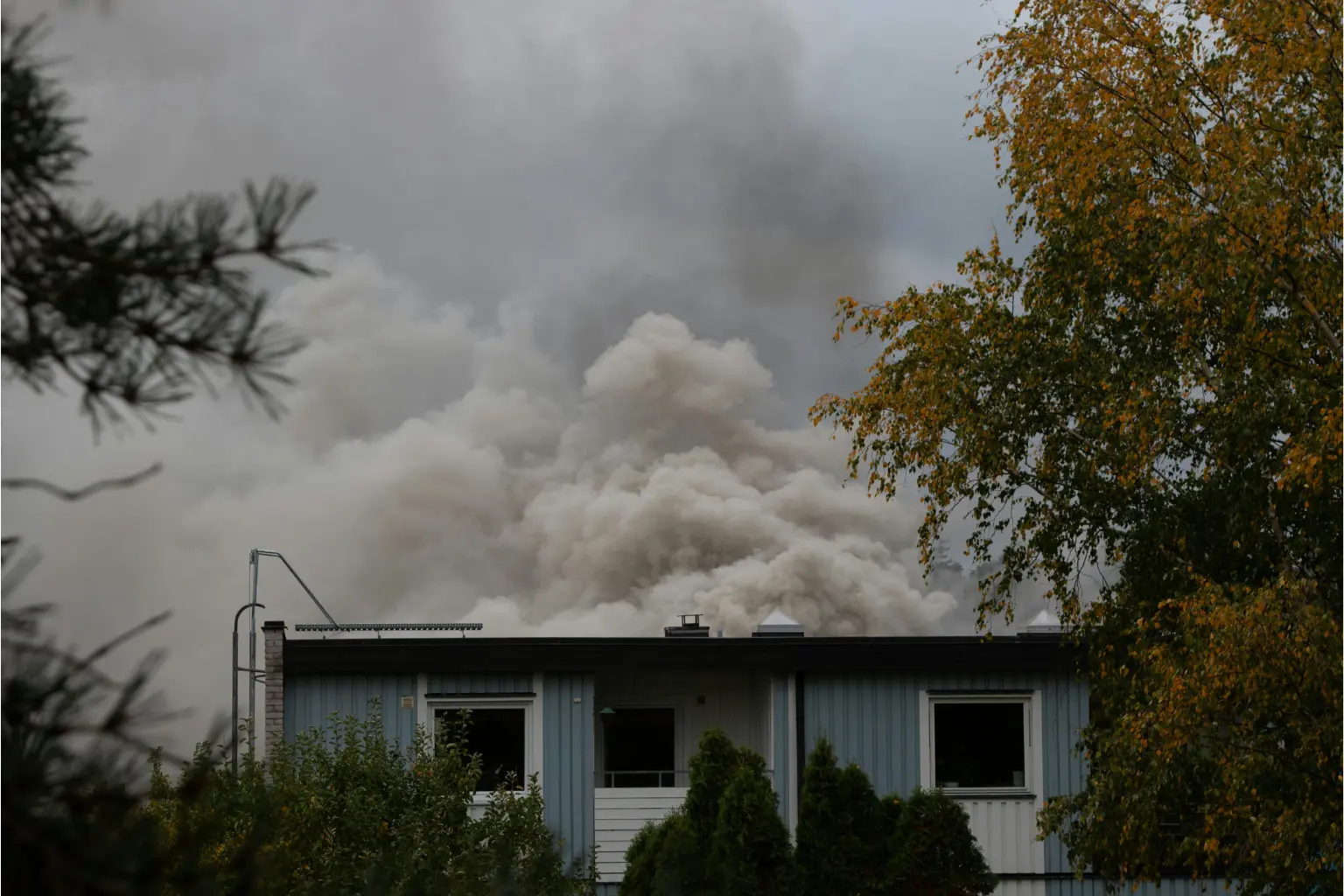
When a fire starts on your neighbor’s property and spreads to yours, you might wonder: can you sue a neighbor for fire damage? The short answer is yes, but only under certain conditions. You need to prove that your neighbor was negligent and that their actions directly caused the fire that damaged your home.
Fire damage from a neighbor’s property can be devastating. Your home, belongings, and sense of security can all be affected. Understanding when you can sue a neighbor for fire damage helps you protect your rights and get the compensation you deserve. This guide will walk you through everything you need to know about neighbor fire damage lawsuits.
What Makes Your Neighbor Legally Responsible for Fire Damage
Before you can sue a neighbor for fire damage, you need to understand legal responsibility. Property owners have a duty to maintain safe conditions and prevent foreseeable harm to others. When they fail to meet this duty, they can be held liable for damages.
Your neighbor might be responsible if they acted negligently. This means they failed to act like a reasonable person would in the same situation. Common examples include ignoring fire hazards, violating building codes, or improperly storing flammable materials.
Can you sue a neighbor for fire damage if the fire was truly an accident? It depends. Even accidental fires can result in lawsuits if negligence was involved. For example, if your neighbor knew their electrical wiring was faulty but didn’t fix it, they could still be liable even if they didn’t intend to start a fire.
Common Situations Where You Can Sue a Neighbor for Fire Damage
Several scenarios make it more likely that you can sue a neighbor for fire damage successfully. Proving liability requires evidence of specific negligent behaviors that contributed to the fire.
Electrical negligence is a major cause of house fires. If your neighbor ignored warning signs like flickering lights, frequent power outages, or burning smells, they might be liable. Outdated wiring, overloaded circuits, or DIY electrical work that doesn’t meet code can also create grounds for a lawsuit.
Improper storage or handling of flammable materials is another common issue. This includes gasoline, propane tanks, paint thinners, or chemicals stored too close to heat sources. The National Fire Protection Association (NFPA) sets clear standards for handling these materials safely.
Building code violations can also make your neighbor liable. If they built additions without permits, blocked emergency exits, or failed to install required fire safety equipment, they may face legal consequences. FEMA guidelines emphasize the importance of following proper building codes for fire safety.
What Evidence Do You Need to Sue a Neighbor for Fire Damage
If you want to sue a neighbor for fire damage, collecting strong evidence is crucial. The better your evidence, the stronger your case will be. Start gathering documentation immediately after the fire is extinguished and it’s safe to do so.
Photos and videos are essential. Document all fire damage to your property from multiple angles. Take pictures of the fire’s origin point on your neighbor’s property if possible. Capture any visible safety violations or hazards that might have contributed to the fire.
The fire department’s investigation report is vital evidence. This official document will include the fire’s cause, origin, and any contributing factors. Fire investigators are trained to identify negligence and code violations. Their findings carry significant weight in legal proceedings.
Witness statements can strengthen your case. Talk to other neighbors who saw the fire start or who know about previous safety issues with your neighbor’s property. Their testimony about ongoing problems or dangerous conditions can support your claim.
Keep all receipts and documentation related to your damages. This includes repair estimates, hotel bills if you’re displaced, and replacement costs for destroyed belongings. Professional fire damage restoration experts can provide detailed assessments of the damage and repair costs.
How Your Insurance Company Handles Neighbor Fire Damage
Understanding how insurance works is key to knowing when you can sue a neighbor for fire damage. Your homeowners insurance typically covers fire damage from neighboring properties, regardless of who’s at fault.
Your insurance company will investigate the fire’s cause. If they determine your neighbor was negligent, they’ll likely pay your claim first, then try to recover the money from your neighbor’s insurance company. This process is called subrogation.
Sometimes you might choose to file a claim directly with your neighbor’s insurance company. However, this isn’t always the best option. Filing with your own insurance often provides better coverage and faster resolution.
Can you sue a neighbor for fire damage even after insurance pays? Yes, but only for amounts not covered by insurance. This might include your deductible, items not covered by your policy, or additional living expenses beyond your policy limits.
The Legal Process: Steps to Sue a Neighbor for Fire Damage
If you decide you can sue a neighbor for fire damage and want to move forward, the legal process typically follows several steps. Each fire damage lawsuit is unique and may involve multiple parties depending on the circumstances.
First, your attorney will send a demand letter to your neighbor. This formal document outlines the damages, explains why your neighbor is responsible, and demands compensation. Many cases settle at this stage without going to court.
If negotiations fail, your lawyer will file a formal complaint in court. The court will then notify your neighbor, who must respond within a specific timeframe. Both sides will engage in “discovery,” where they gather and exchange evidence.
During discovery, both legal teams will review documents, take depositions, and gather expert testimony. Fire investigators, building code experts, and damage assessment professionals often testify in these cases. Understanding smoke damage and related issues becomes important during this phase.
Most fire damage lawsuits settle before trial. If your case goes to trial, both sides present evidence to a judge or jury. The court will determine if your neighbor was negligent and, if so, how much compensation you’re entitled to receive.
When You Cannot Sue a Neighbor for Fire Damage
It’s important to understand that you cannot always sue a neighbor for fire damage. Some situations don’t meet the legal requirements for negligence or liability. Knowing these limitations helps set realistic expectations.
Acts of nature typically don’t create liability. If lightning strikes your neighbor’s tree and starts a fire that spreads to your property, your neighbor likely isn’t responsible. Similarly, fires caused by earthquakes, floods, or other natural disasters usually don’t result in successful lawsuits.
Genuine accidents without negligence also don’t create liability. Insurance covers damages that the person purchasing the insurance would be responsible for. If your neighbor took reasonable precautions and the fire was truly unforeseeable, they might not be liable.
Criminal acts by third parties can complicate liability questions. If someone commits arson on your neighbor’s property, the arsonist is primarily responsible. However, your neighbor might still share some liability if they failed to maintain reasonable security measures.
Prevention: Reducing Fire Risks in Your Neighborhood
While knowing if you can sue a neighbor for fire damage is important, preventing fires in the first place is even better. Working together with neighbors creates safer communities for everyone.
Regular property maintenance is crucial. Following basic fire prevention steps can significantly reduce fire risks. This includes clearing debris, trimming vegetation away from structures, and maintaining electrical systems.
Communication with neighbors helps identify potential problems early. If you notice safety hazards on a neighbor’s property, consider having a friendly conversation about your concerns. Most people appreciate being informed about potential dangers they might have missed.
Understanding local fire codes and safety requirements benefits everyone. FEMA’s building codes toolkit provides valuable information about fire safety standards. Following these guidelines protects both your property and your neighbors’.
When to Contact Legal and Restoration Professionals
Knowing when to seek professional help is crucial after fire damage from a neighbor’s property. Quick action can protect your rights and improve your chances of full compensation.
Contact a fire damage attorney immediately if you suspect negligence caused the fire. Experienced attorneys understand the complexities of fire accident liability and can guide you through the legal process. They’ll help you gather evidence and build a strong case.
Professional restoration services are also essential. Expert fire damage restoration can minimize long-term damage and provide detailed documentation of losses. This documentation is valuable for both insurance claims and potential lawsuits.
Don’t wait to take action. Evidence can disappear quickly, and insurance companies have strict deadlines for filing claims. The sooner you start the restoration process, the better your chances of full recovery.
If you’re dealing with fire damage from a neighbor’s property in San Diego County, A/S General Contracting can help. Our experienced team understands both the restoration process and the documentation needed for legal claims. We work with your insurance company and legal team to ensure you get the compensation you deserve.
Contact us today for a free inspection and consultation. Our 15+ years of experience and IICRC certification mean you can trust us to handle your fire damage restoration properly. We also provide comprehensive insurance claim support to help navigate the complex process ahead.