Finding how to detect a water leak inside the wall can save you thousands of dollars in water damage repairs. Hidden leaks are sneaky problems that can grow into big disasters if you don’t catch them early. The good news is that you can spot these leaks yourself with the right knowledge and simple tools.
Water leaks inside walls happen more often than most homeowners think. According to the EPA, the average household wastes more than 10,000 gallons of water every year from leaks, and many of these leaks are hidden inside walls. When you know how to detect a water leak inside the wall, you can stop small problems before they become expensive emergencies.
Why You Need to Know How to Detect a Water Leak Inside the Wall
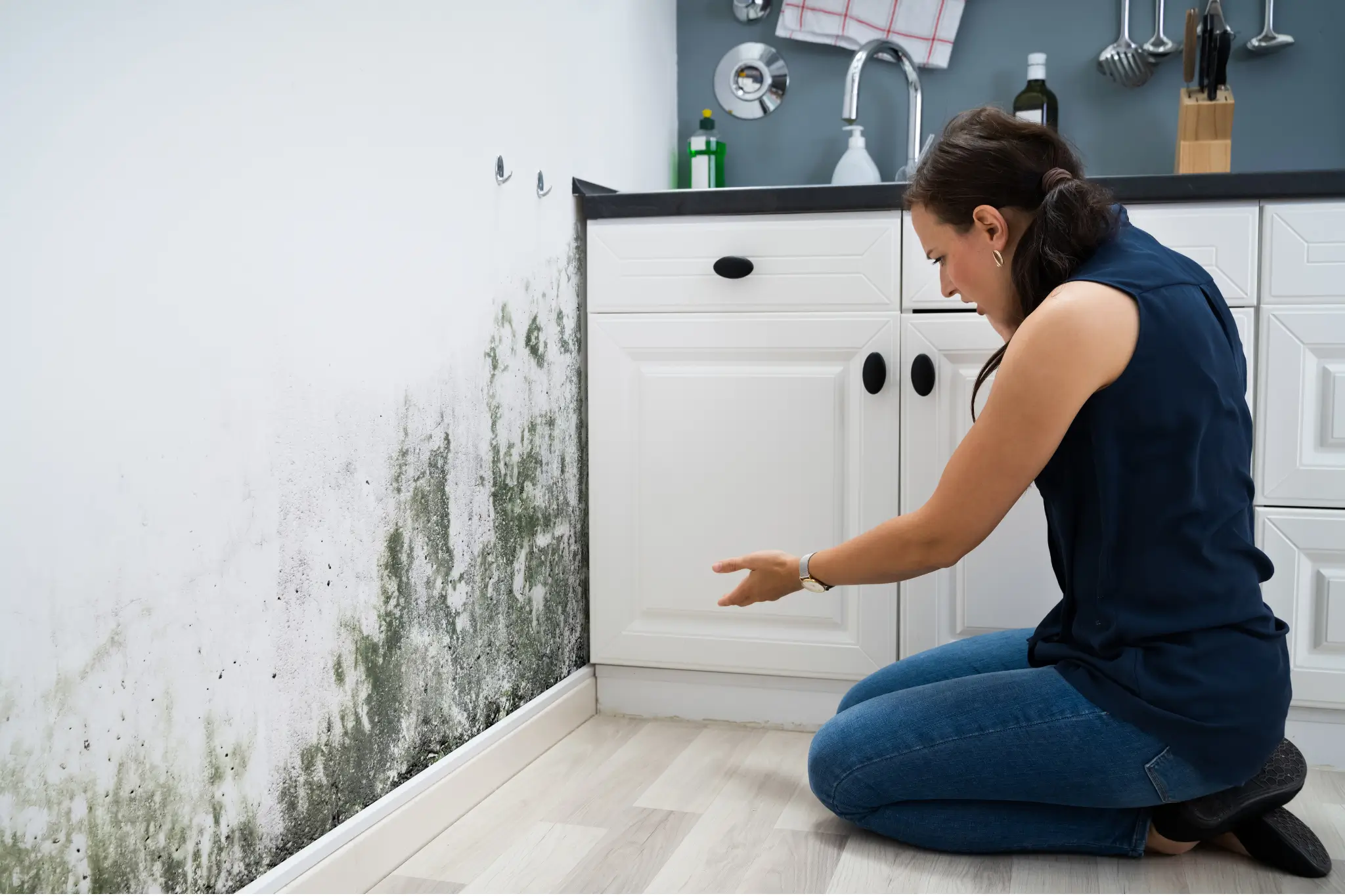
Water leaks inside walls don’t just waste water – they can destroy your home and make your family sick. When water sits behind drywall, it creates the perfect place for mold to grow. The CDC warns that mold exposure can cause stuffy nose, sore throat, coughing, wheezing, burning eyes, and skin rash. People with asthma or mold allergies may have severe reactions.
Learning how to detect a water leak inside the wall helps you protect your biggest investment – your home. Water damage can weaken wooden frames, damage electrical systems, and ruin insulation. The longer water leaks go unnoticed, the more expensive repairs become.
7 Simple Ways to Detect a Water Leak Inside the Wall
1. Look for Water Stains and Discoloration
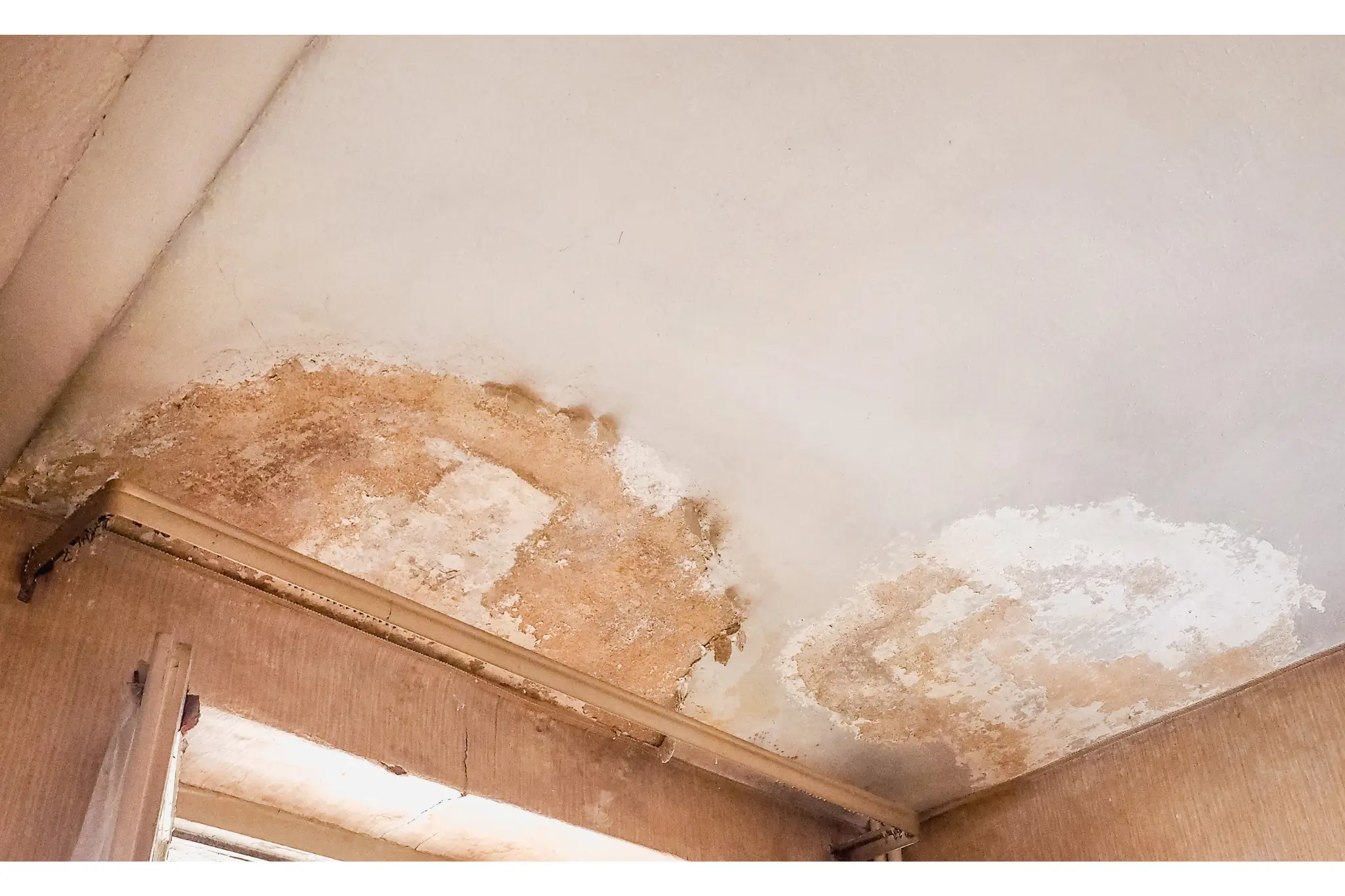
The easiest way to detect a water leak inside the wall is to look for water stains. These stains usually appear as yellow, brown, or dark spots on walls or ceilings. The stains might look like coffee spills or rust marks. Sometimes you’ll see rings or circles where water has dried and left mineral deposits.
Check these common spots for water stains:
• Around windows and doors
– Near plumbing fixtures like sinks and toilets
– Under air conditioning units
– Around pipe connections
– In corners where walls meet ceilings
Water stains that keep getting bigger or darker mean you have an active leak. Don’t ignore small stains – they often grow into major problems. If you find water stains, you’ve likely found where to start looking for your hidden leak.
2. Check Your Water Meter
Your water meter is a powerful tool when learning how to detect a water leak inside the wall. The EPA recommends checking your water meter before and after a two-hour period when no water is being used. If the meter reading changes, you probably have a leak somewhere.
Here’s how to do this simple test:
• Turn off all water in your house
– Check that no one will use water for two hours
– Write down the exact meter reading
– Wait two hours without using any water
– Check the meter again
If the numbers changed, water is flowing somewhere in your house. This could mean you have a leak inside a wall, under your foundation, or in your plumbing system. This test doesn’t tell you exactly where the leak is, but it confirms you have one.
3. Watch Your Water Bills
A sudden jump in your water bill can help you detect a water leak inside the wall. Most families use about the same amount of water each month. If your bill goes up by 20% or more without explanation, you might have a hidden leak.
The EPA says that if a family of four uses more than 12,000 gallons per month during winter, they probably have serious leaks. Winter is a good time to check because most people don’t water gardens or fill pools during cold months.
Keep track of your monthly water usage for a few months. Look for patterns and sudden changes. A water leak inside your walls might be the reason for unexpectedly high bills.
4. Listen for Strange Sounds
Your ears can help you detect a water leak inside the wall. Water moving through pipes or dripping inside walls makes sounds you can hear if you listen carefully. The sounds might be:
• Dripping or trickling
– Hissing or rushing water
– Gurgling or bubbling
– Creaking or cracking
Listen to different parts of your walls, especially near bathrooms and kitchens. Put your ear close to the wall where you suspect a leak. The sounds are usually louder at night when your house is quiet and other noises don’t interfere.
Professional restoration companies use special listening devices, but your ears work pretty well too. If you hear water sounds where there shouldn’t be any, you might have found how to detect a water leak inside the wall.
5. Feel for Soft or Spongy Spots
When water leaks inside walls, it soaks into drywall and makes it soft. Press gently on your walls with your hand, especially areas where you see stains or suspect problems. Normal drywall feels hard and solid. Wet drywall feels soft, spongy, or bouncy.
Be careful when pressing on walls – wet drywall can break easily and create bigger problems. If you find soft spots, mark the area and avoid putting weight on it. Soft drywall means water has been there for a while and may need professional water damage restoration.
Check areas around:
• Bathtubs and showers
– Sinks and toilets
– Water heaters
– Washing machines
– Dishwashers
6. Smell for Musty Odors
Your nose is another powerful tool to detect a water leak inside the wall. Water damage creates perfect conditions for mold and mildew growth. These organisms produce a distinctive musty smell that many people describe as earthy, stale, or like old socks.
Musty smells are often strongest in:
• Bathrooms and basements
– Closets and small rooms
– Areas with poor air circulation
– Corners and hidden spaces
The EPA explains that mold needs moisture to grow, and it can start growing within 24-48 hours after water damage. If you smell something musty, especially if the smell gets stronger in certain areas, you might have found evidence of a hidden water leak.
Don’t ignore musty smells, even if they’re faint. Small mold problems can quickly become big health hazards. If you smell mold, you should also look for visual signs of water damage and consider getting professional mold remediation help.
7. Use a Moisture Meter
A moisture meter is a simple tool that helps you detect a water leak inside the wall with scientific accuracy. These devices measure how much water is in building materials like wood and drywall. You can buy basic moisture meters at hardware stores for about $30-50.
Here’s how to use a moisture meter:
• Press the meter’s pins against the wall
– Read the moisture percentage on the display
– Test several spots to compare readings
– Look for areas with higher moisture levels
Normal drywall should have moisture levels below 15%. Anything above 20% usually means there’s a moisture problem. Professional restoration companies use more advanced tools, but basic moisture meters work well for homeowners who want to detect water leaks inside walls.
Professional Tools That Help Detect Water Leaks Inside Walls
While the methods above help homeowners find many leaks, professional restoration companies use advanced tools that make the job easier and more accurate. These tools include:
Thermal Imaging Cameras: These cameras see temperature differences in walls. Wet areas are usually cooler than dry areas, showing up as different colors on the camera screen. Professional companies use thermal imaging to find hidden leaks without damaging walls.
Acoustic Leak Detection: Special microphones and sensors can hear water moving through pipes, even inside walls. According to IICRC standards, professional restoration companies use acoustic equipment to locate leaks precisely.
Moisture Mapping: Professional moisture meters are much more sensitive than consumer models. Restoration experts use these tools to create detailed maps showing exactly where moisture problems exist.
If you’ve tried the simple methods to detect a water leak inside the wall but still aren’t sure where the problem is, professional help might save you time and prevent more damage.
What to Do When You Find a Water Leak Inside the Wall
Once you’ve learned how to detect a water leak inside the wall and found one, quick action is important. Here’s what you should do:
Turn Off the Water: Find the main water shutoff valve for your house and turn it off. This stops more water from flowing and prevents additional damage.
Move Items Away: Remove furniture, electronics, and other items from areas near the leak. Water damage can spread quickly, and you want to protect your belongings.
Document the Damage: Take photos and videos of the leak and any damage you can see. This documentation helps with insurance claims and repair planning.
Call Professionals: Water damage restoration requires special equipment and expertise. Contact a professional company that follows IICRC standards for water damage restoration.
Don’t try to fix major leaks yourself. Water damage can affect electrical systems, create dangerous mold problems, and weaken your home’s structure. Professional restoration companies have the training and equipment to handle these problems safely.
Preventing Water Leaks Inside Walls
Learning how to detect a water leak inside the wall is important, but preventing leaks is even better. Here are simple ways to protect your home:
Check Pipes Regularly: Look at visible pipes for signs of corrosion, loose connections, or small drips. Fix small problems before they become big ones.
Maintain Good Ventilation: Use exhaust fans in bathrooms and kitchens. Good air circulation prevents moisture buildup that can lead to problems.
Fix Caulking and Seals: Replace old caulk around tubs, showers, and sinks. Good seals prevent water from getting into walls.
Monitor Water Pressure: Very high water pressure can stress pipes and cause leaks. Consider installing a pressure regulator if your water pressure is too high.
Insulate Pipes: Protect pipes from freezing, which can cause them to burst and create major leaks inside walls.
Regular home maintenance and quick attention to small problems can prevent most water leaks inside walls.
When to Call Professional Water Damage Restoration
Sometimes knowing how to detect a water leak inside the wall isn’t enough. You need professional help when:
• The leak affects a large area
– You smell strong musty odors
– You see visible mold growth
– The water is contaminated (from sewage or flooding)
– Electrical systems might be affected
– You’re not comfortable making repairs yourself
Professional restoration companies have special training, equipment, and experience dealing with water damage. They can properly dry out your house and prevent mold problems that could make your family sick.
At A/S General Contracting, we’ve helped San Diego homeowners with water damage restoration for over 15 years. Our IICRC-certified technicians know how to find hidden leaks, dry out damaged areas, and restore your home to its original condition. We also provide insurance claim support to help you navigate the repair process.
Get Expert Help for Water Leaks Inside Walls
Learning how to detect a water leak inside the wall gives you the knowledge to protect your home and family. But when you find a leak, professional help ensures the job gets done right. Water damage restoration requires special equipment, training, and experience that most homeowners don’t have.
Don’t let a small leak become a major disaster. If you suspect water damage in your San Diego home, contact A/S General Contracting for a free inspection. Our experienced team uses professional-grade equipment to find hidden leaks and provide complete restoration services.
Call us 24/7 at 858-567-0146 or contact us online for immediate assistance. We’re here to help protect your home and get your life back to normal as quickly as possible.