Does black mold cause hair loss? The short answer is yes – and it’s more common than you might think. After 15 years of helping San Diego families deal with black mold remediation, we’ve seen firsthand how this toxic invader doesn’t just damage your home. It can also damage your health in ways that might surprise you, including causing your hair to fall out.
Hair loss from black mold isn’t just about vanity. It’s a warning sign that your body is fighting a serious battle against dangerous toxins. When we walk into homes with black mold problems, we often meet homeowners who are dealing with mysterious health issues – and hair loss is one of the most distressing symptoms we encounter.
The connection between black mold and hair loss isn’t widely known, but the science is clear. Black mold produces harmful chemicals called mycotoxins that can wreak havoc on your immune system, hormone balance, and blood circulation. All of these factors directly impact your hair’s ability to grow and stay healthy.
What Makes Black Mold So Dangerous for Your Hair?
Black mold, scientifically known as Stachybotrys chartarum, is different from other types of mold. While regular household mold might cause some sneezing or mild allergies, black mold is in a league of its own. This toxic mold produces mycotoxins – poisonous substances that can enter your body through breathing, touching, or even eating contaminated food.
According to the CDC, mold exposure can cause a variety of health problems, from respiratory issues to skin rash. But what many people don’t realize is that these mycotoxins can also target your hair follicles, the tiny factories that produce your hair.
When you ask “does black mold cause hair loss,” you’re really asking whether these mycotoxins can damage the complex biological processes that keep your hair healthy. The unfortunate answer is yes – and here’s exactly how it happens.
The 7 Ways Black Mold Destroys Your Hair
1. Inflammation Attacks Your Hair Follicles
When black mold spores enter your body, your immune system goes into attack mode. This creates widespread inflammation throughout your body, including your scalp. Think of inflammation like a fire that damages everything in its path – including the delicate hair follicles that produce your hair.
This inflammation disrupts the normal blood flow to your hair follicles. Without proper blood circulation, your hair follicles can’t get the oxygen and nutrients they need to function properly. Over time, this leads to weaker hair that breaks easily and eventually falls out.
Research shows that chronic inflammation can push hair follicles into a resting phase called telogen effluvium, where hair stops growing and starts shedding at an alarming rate. This is why people often notice clumps of hair in their shower drain or on their pillow when living in moldy environments.
2. Mycotoxins Poison Your Hair Growth Cycle
Black mold produces specific mycotoxins that act like poison in your body. These toxic substances can directly interfere with the natural hair growth cycle, which normally has three phases: growing, transitioning, and resting.
When mycotoxins enter your bloodstream, they can force hair follicles to skip the growing phase and jump straight to the shedding phase. This means your hair falls out faster than it can grow back, leading to noticeable thinning and bald spots.
The EPA warns that mycotoxins can have serious health effects, and hair loss is just one of many symptoms that indicate your body is struggling to cope with toxic exposure.
3. Autoimmune Reactions Target Hair Follicles
One of the most serious ways that black mold causes hair loss is by triggering autoimmune reactions. When your immune system is constantly fighting mold toxins, it can become confused and start attacking healthy parts of your body – including your hair follicles.
This can lead to a condition called alopecia areata, where your immune system literally attacks your hair follicles, causing round patches of hair loss. In severe cases, this can progress to complete hair loss on the scalp or even the entire body.
We’ve seen this pattern repeatedly in our mold remediation work. Families living in severely moldy homes often develop autoimmune symptoms, and hair loss is frequently one of the first signs that something is seriously wrong.
4. Hormone Disruption Stops Hair Growth
Your hormones play a crucial role in hair growth, and black mold can seriously disrupt your body’s hormone balance. Mycotoxins can interfere with important hormones like cortisol (your stress hormone), thyroid hormones, and even sex hormones like estrogen and testosterone.
When these hormones are out of balance, your hair growth slows down or stops completely. High cortisol levels, in particular, can cause your hair to enter the shedding phase prematurely. This is why stress-related hair loss is so common, and mold exposure creates chronic stress on your body.
Thyroid disruption from mold exposure is especially problematic because thyroid hormones directly control hair growth. When your thyroid isn’t working properly, your hair becomes thin, brittle, and starts falling out in larger amounts than normal.
5. Nutrient Deficiencies Starve Your Hair
Black mold doesn’t just attack your hair directly – it also prevents your body from absorbing the nutrients your hair needs to grow. Mycotoxins can damage your digestive system, making it harder for your body to absorb essential vitamins and minerals.
Your hair needs specific nutrients to stay healthy, including iron, zinc, biotin, and various B vitamins. When mold exposure interferes with nutrient absorption, your hair essentially starves. This leads to weak, brittle hair that breaks easily and eventually falls out.
Even if you’re eating a healthy diet, mold toxicity can prevent your body from using these nutrients effectively. This is why people living in moldy homes often develop nutritional deficiencies even when they’re eating well.
6. Allergic Reactions Create Scalp Problems
If you’re allergic to mold, your body releases histamine when exposed to mold spores. This histamine causes inflammation and can create serious scalp problems that directly impact hair growth.
Histamine-induced inflammation reduces blood flow to your scalp, which means your hair follicles don’t get enough oxygen and nutrients. This creates a hostile environment for hair growth and can cause existing hair to become weak and fall out.
Additionally, allergic reactions can cause scalp itching, flaking, and irritation. When you scratch your itchy scalp, you can damage hair follicles and cause even more hair loss. It becomes a vicious cycle that’s hard to break without addressing the underlying mold problem.
7. Chronic Stress Accelerates Hair Loss
Living with black mold creates chronic stress on your body, and stress is a well-known cause of hair loss. When your body is constantly fighting mold toxins, it produces higher levels of cortisol, your primary stress hormone.
High cortisol levels can push large numbers of hair follicles into the resting phase simultaneously, causing widespread hair shedding. This type of hair loss, called telogen effluvium, usually happens 2-3 months after the stressful event begins.
The psychological stress of dealing with health problems, property damage, and the uncertainty of mold exposure also contributes to hair loss. Many of our clients report that their hair loss worsened significantly during the months they were dealing with mold problems in their homes.
Warning Signs That Black Mold Is Causing Your Hair Loss
So does black mold cause hair loss in your specific situation? Here are the key warning signs that suggest mold exposure might be behind your hair problems:
Your hair loss started after moving to a new home or after water damage occurred in your current home. You’re experiencing other mold exposure symptoms like fatigue, headaches, respiratory problems, or skin irritation along with hair loss. Your hair loss is diffuse (thinning all over) rather than in a specific pattern like male pattern baldness.
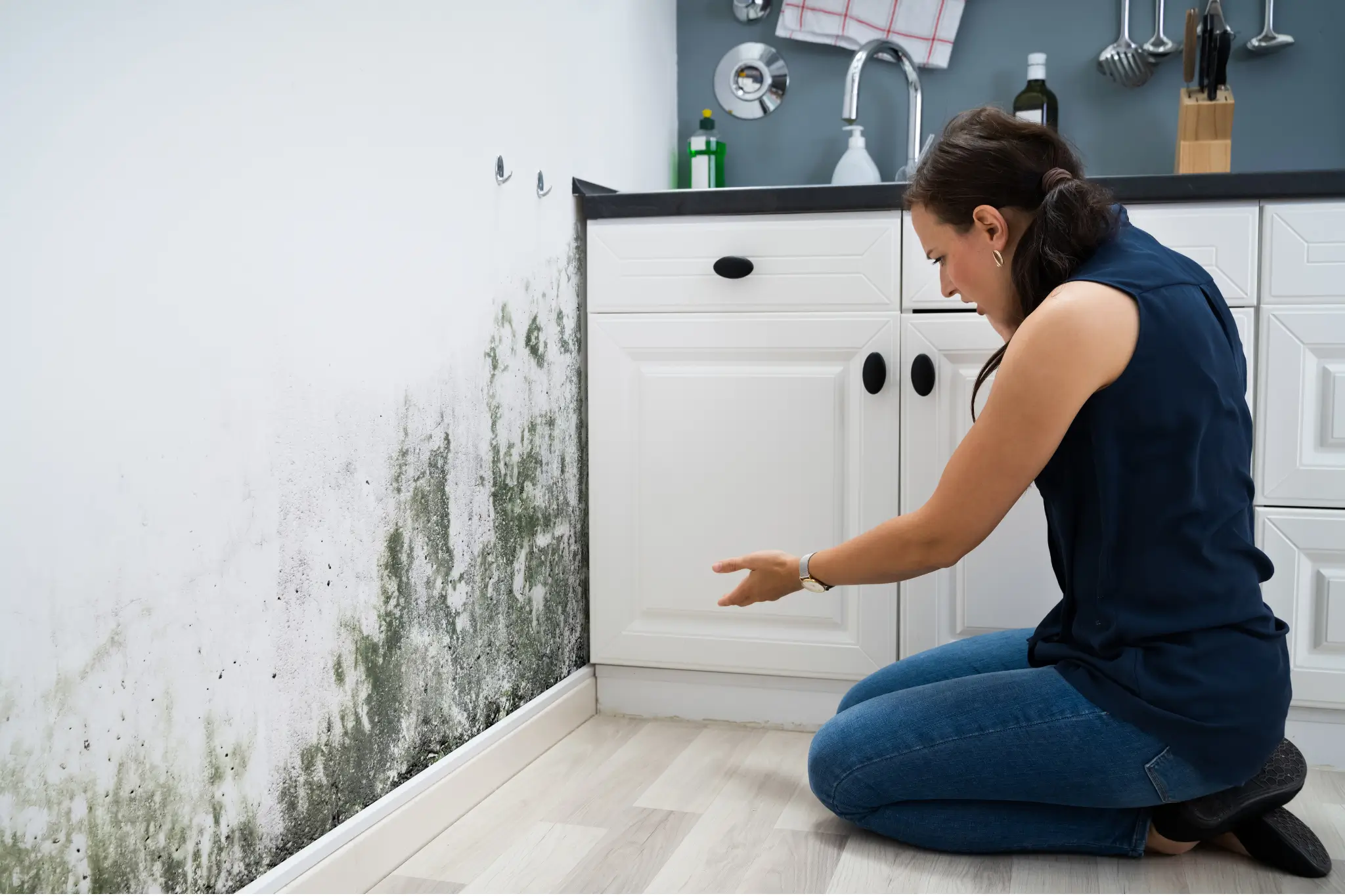
You notice a musty smell in your home or visible mold growth, especially in areas like bathrooms, basements, or near leaks. Other family members or pets are also experiencing health problems. Your hair loss improves when you’re away from home for extended periods.
If you notice these patterns, it’s crucial to have your home inspected for mold immediately. The longer you’re exposed to black mold, the more severe your hair loss and other health problems can become.
Can Hair Loss from Black Mold Be Reversed?
The good news is that hair loss from black mold exposure can often be reversed if you take action quickly. Your hair follicles don’t die immediately when exposed to mold toxins – they go into a dormant state. Once you remove the mold and allow your body to heal, these follicles can often start producing hair again.
However, recovery takes time. Hair growth is a slow process under the best circumstances, and your body needs time to heal from mold toxicity. Most people start seeing new hair growth 3-6 months after successful mold remediation, with full recovery taking up to a year or more.
The key factors for successful hair recovery include completely removing the mold source, supporting your body’s detoxification processes, addressing any nutritional deficiencies, and managing inflammation and stress levels.
Professional Mold Remediation: Your First Step to Hair Recovery
If you suspect that black mold is causing your hair loss, the most important step is professional mold remediation. DIY mold removal often makes the problem worse by spreading spores throughout your home and potentially exposing you to even higher levels of mycotoxins.
At A/S General Contracting, we follow IICRC S520 standards for professional mold remediation. This means we don’t just clean visible mold – we identify and eliminate the moisture source, contain the contaminated area, and remove all mold-damaged materials safely.
Our process includes thorough air filtration to remove airborne mold spores, proper disposal of contaminated materials, and post-remediation verification to ensure your home is truly mold-free. We’ve helped hundreds of San Diego families eliminate black mold from their homes and restore their health.
Many of our clients report that their hair loss stopped and began to reverse within months of successful mold remediation. While we can’t guarantee specific health outcomes, removing the toxic source is always the first and most important step toward recovery.
Prevention: Keeping Black Mold Away from Your Hair
The best way to prevent black mold from causing hair loss is to prevent mold growth in the first place. Black mold needs moisture to grow, so controlling humidity and water intrusion is crucial.
Keep your home’s humidity below 50% using dehumidifiers or air conditioning. Fix water leaks immediately, no matter how small they seem. Ensure proper ventilation in bathrooms, kitchens, and other high-moisture areas. Clean and dry any water damage within 24-48 hours to prevent mold growth.
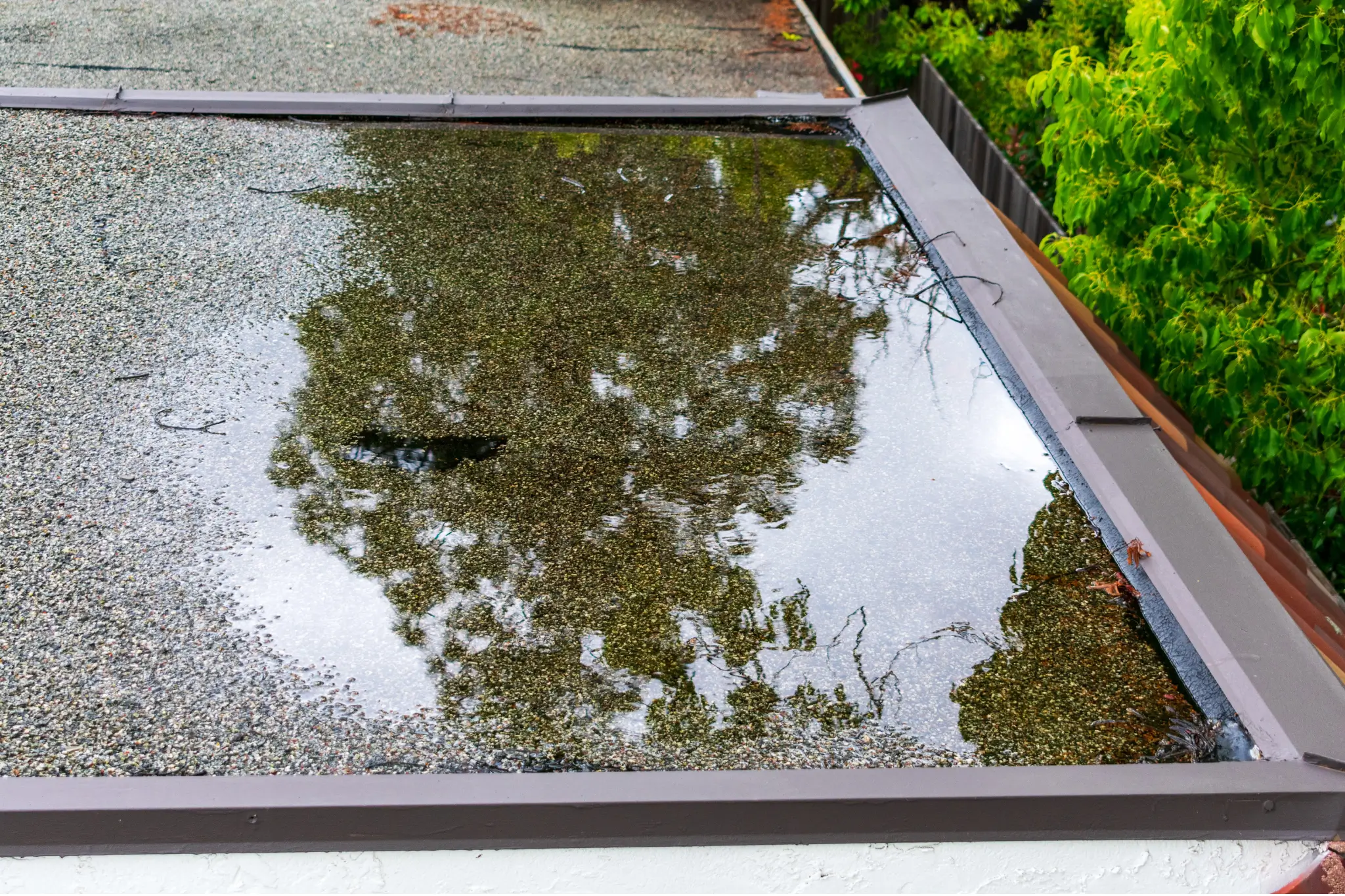
Pay special attention to hidden moisture sources like leaking pipes inside walls, roof leaks, or condensation problems. These hidden moisture issues are often the source of serious mold problems that go undetected for months or years.
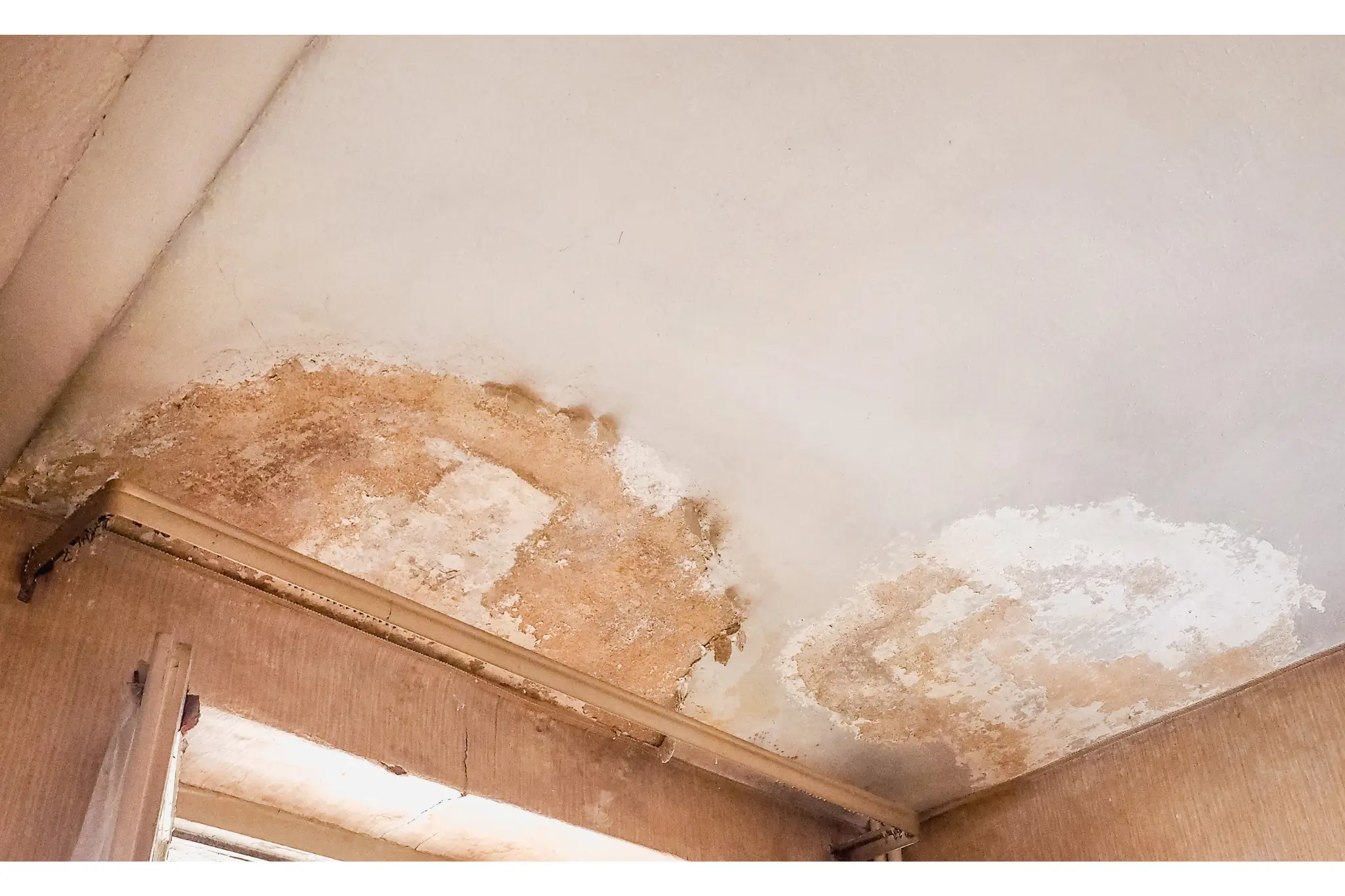
Regular home inspections can help you catch moisture problems before they become mold problems. Look for signs like water stains, peeling paint, warped wood, or persistent musty odors that might indicate hidden mold growth.
When to Call the Professionals
If you’re asking “does black mold cause hair loss” because you’re experiencing unexplained hair thinning along with other health symptoms, don’t wait to seek help. Early intervention can prevent more severe health problems and give you the best chance of full hair recovery.
Contact a professional mold remediation company if you see visible mold growth larger than 10 square feet, smell persistent musty odors, or have experienced water damage in your home. Also call if you’re experiencing health symptoms that might be related to mold exposure, including hair loss, respiratory problems, fatigue, or skin irritation.
At A/S General Contracting, we offer free mold inspections to help San Diego homeowners identify potential mold problems before they cause serious health issues. Our certified technicians can assess your home, identify moisture sources, and recommend appropriate remediation strategies.
We understand that mold problems can be overwhelming, especially when they’re affecting your health. That’s why we work with insurance companies to help make professional mold remediation accessible and affordable for families dealing with these serious issues.
Your Hair and Health Deserve Professional Protection
Does black mold cause hair loss? Absolutely, and the scientific evidence is clear about the multiple ways mold exposure can damage your hair and overall health. From inflammatory reactions to hormone disruption, nutrient deficiencies to autoimmune responses, black mold attacks your hair through multiple pathways simultaneously.
The good news is that with proper professional remediation and time for your body to heal, hair loss from black mold exposure can often be reversed. The key is taking action quickly to eliminate the mold source and support your body’s natural healing processes.
If you’re dealing with mysterious hair loss along with other unexplained health symptoms, don’t ignore the possibility that mold exposure might be the cause. Your health – and your hair – are too important to leave to chance.
For more information about black mold dangers or to schedule your free inspection, contact A/S General Contracting today. We’re here to help you eliminate mold problems and protect your family’s health for the long term.