Learning how to find a water leak underground can save homeowners thousands of dollars in damage and prevent catastrophic flooding. Underground water leaks are silent destroyers that can go undetected for weeks or months, causing foundation damage, sky-high water bills, and serious health hazards from mold growth.
In San Diego County, where A/S General Contracting has helped homeowners for over 15 years, we see the devastating effects of undetected underground leaks every day. When you know how to find a water leak underground early, you can prevent minor issues from becoming major disasters that require extensive water damage restoration.
Why Underground Water Leaks Are So Dangerous
Underground water leaks pose unique challenges because they’re hidden from view. Unlike visible leaks from faucets or appliances, underground leaks can waste thousands of gallons before homeowners notice. The EPA reports that household leaks can waste nearly 1 trillion gallons annually nationwide.
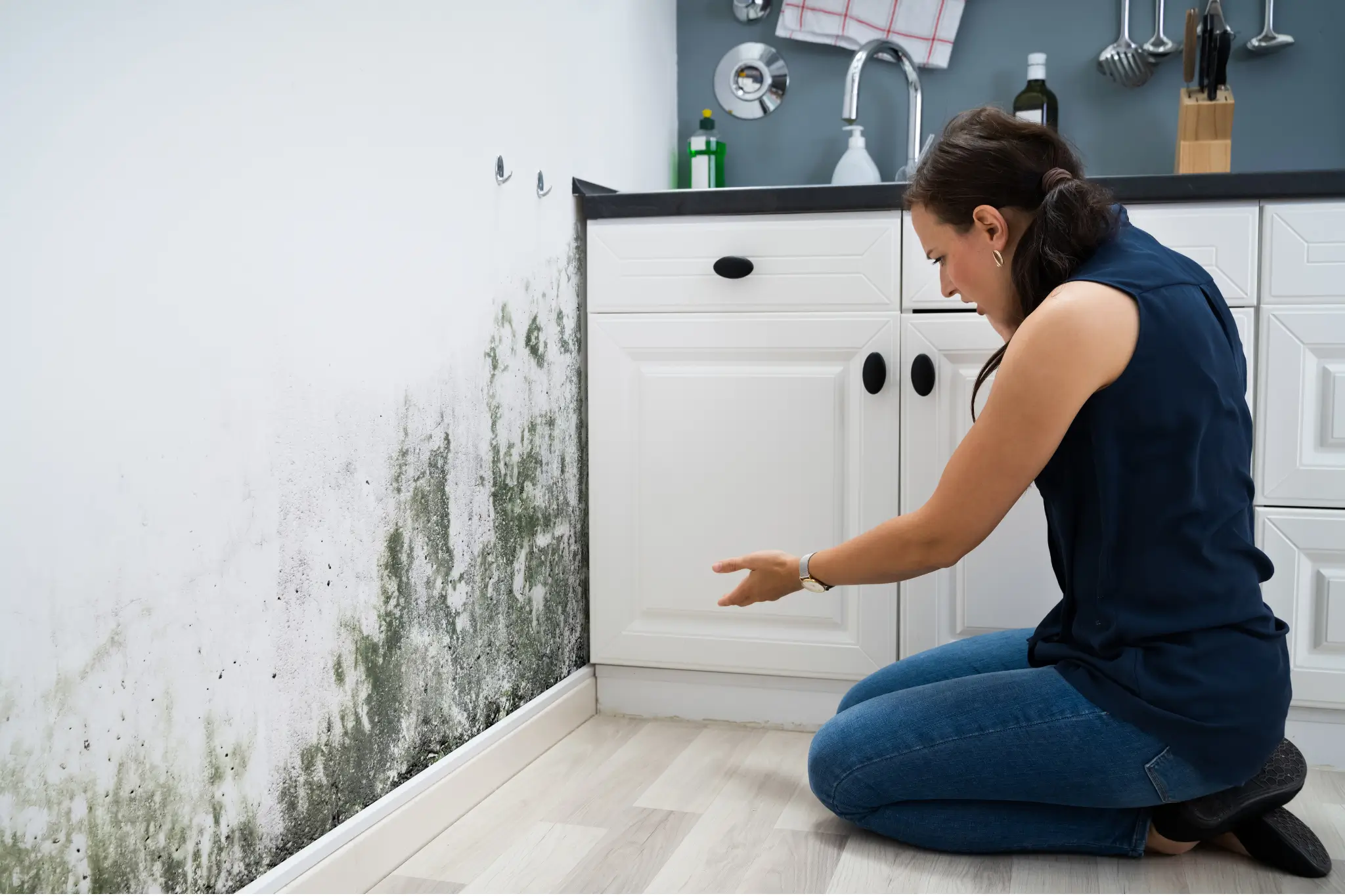
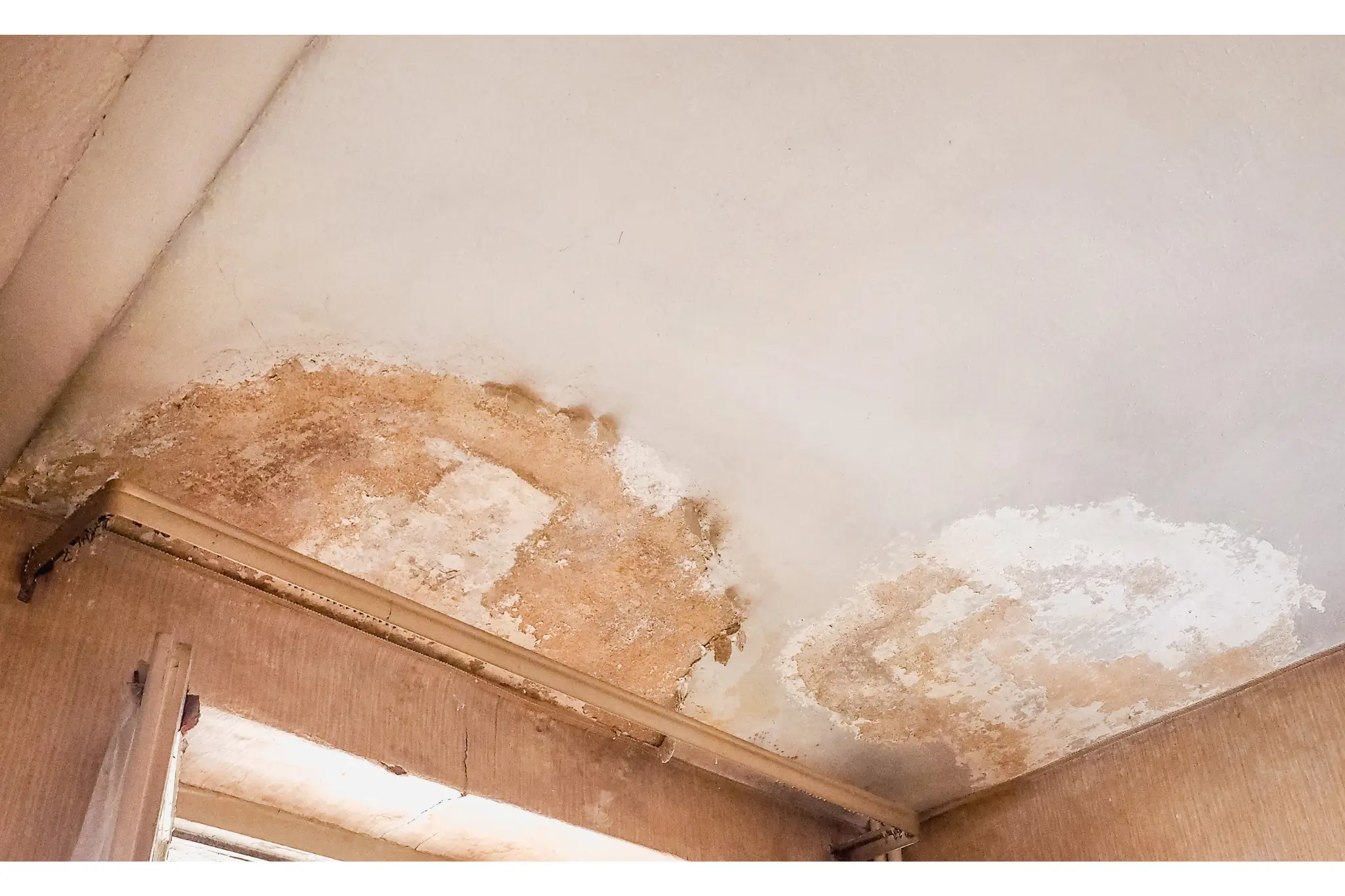
When water leaks underground, it creates several serious problems. First, it can erode soil around your home’s foundation, leading to structural damage and settling. Second, the constant moisture creates perfect conditions for mold growth, which can cause respiratory problems and other health issues. Third, water damage can take time to show visible signs while causing extensive hidden damage.
According to the CDC, cracked water pipes and infrastructure problems make contamination more likely, putting your family’s health at risk. That’s why knowing how to find a water leak underground is critical for every homeowner.
Method 1: Water Meter Monitoring
The easiest way to find a water leak underground is to check your water meter when no water is being used. This simple test can reveal hidden leaks without any special equipment.
Here’s how to perform a water meter test to find underground water leaks. First, turn off all water sources in your home, including faucets, toilets, dishwashers, and washing machines. Make sure no one uses water during the test period. Next, locate your water meter, usually found near the street or property edge in a covered box.
Record the exact meter reading and wait 30 to 60 minutes without using any water. After the waiting period, check the meter again. If the reading has changed, you likely have an underground leak. Look for the leak indicator on your meter – a small triangle or dial that moves when water flows. If this indicator spins while all water is shut off, you definitely have a leak somewhere in your system.
Method 2: Visual Ground Inspection
Learning how to find a water leak underground often starts with careful observation of your property. Underground leaks frequently leave clues on the surface that trained eyes can spot.
Walk around your property looking for these warning signs. Unusually wet or soggy areas in your yard, especially during dry weather, often indicate underground leaks. You might notice patches of grass that are much greener or growing faster than surrounding areas because they’re getting extra water.
Check for unexplained puddles or standing water that don’t dry up normally. Look for cracks in sidewalks, driveways, or your home’s foundation that could indicate soil shifting from water erosion. Sometimes you’ll see rust-colored stains on the ground or notice a musty smell near certain areas of your yard.
Pay special attention to areas near water lines, irrigation systems, and outdoor faucets. These areas are most likely to develop leaks that require professional water damage repairs.
Method 3: Water Pressure and Bill Analysis
Changes in water pressure and sudden spikes in water bills are often the first signs homeowners notice when they need to find a water leak underground. These changes can help you identify problems before they become emergencies.
Monitor your water pressure throughout your home. If you notice a significant drop in pressure, especially when multiple fixtures are running, this could indicate a large underground leak. The water that should reach your fixtures is instead flowing out through the broken pipe.
Review your water bills for the past several months. Look for unexplained increases in usage, especially sudden jumps that coincide with no change in your household’s water habits. Even a small underground leak can waste hundreds of gallons per month, creating noticeable bill increases.
Compare your current usage to the same months from previous years. If you’re using significantly more water without explanation, you likely have a leak that needs immediate attention. Remember that even minor delays in addressing leaks can lead to situations requiring extensive restoration work, similar to cases where homeowners need to learn how to dry out a house after a pipe bursts.
Method 4: Acoustic Detection
Professional plumbers use acoustic detection to find water leaks underground, but homeowners can try basic listening techniques. This method works because water escaping from pressurized pipes creates distinct sounds.
Start by turning off all appliances and electronics to minimize background noise. Walk around your property, especially near known water lines, and listen carefully. Underground leaks often create a hissing, whooshing, or gurgling sound.
Use a simple listening device like a screwdriver or metal rod. Place one end on the ground near suspected leak areas and the other end to your ear. This acts as a crude acoustic amplifier. Professional leak detection equipment uses more sophisticated acoustic sensors, but this basic method can sometimes help locate obvious problems.
Focus your listening efforts during quiet times of day, such as early morning or late evening. Pay attention to areas around water meter boxes, irrigation system connections, and places where water lines enter your home. If you suspect a leak but can’t locate it yourself, contact professionals who specialize in water leak repair in San Diego CA.
Method 5: Professional Thermal Imaging and Ground Penetrating Radar
When simple methods don’t reveal how to find a water leak underground, professional technology provides accurate answers. Thermal imaging and ground-penetrating radar are the most effective tools for locating hidden leaks without excavation.
Thermal imaging cameras detect temperature differences in the ground caused by leaking water. Water typically appears cooler than surrounding soil in summer and warmer in winter, creating clear thermal signatures that professionals can identify.
Ground-penetrating radar sends electromagnetic pulses into the earth and analyzes the returned signals to locate pipes, cavities, and water pools. This technology can identify exactly where pipes are located and pinpoint leak sources with remarkable accuracy.
Professional leak detection teams also use correlating equipment that places sensors at multiple points along water lines. This sophisticated equipment analyzes sound waves to triangulate leak locations within inches. While this equipment is expensive for homeowners to purchase, hiring professionals often costs less than the damage from undetected leaks.
Health Risks of Underground Water Leaks
Understanding health risks helps explain why learning how to find a water leak underground is so important. The EPA warns that leaking pipes can allow contaminants into drinking water supplies, creating serious health hazards.
Mold growth is one of the most immediate concerns from underground leaks. Constant moisture creates ideal conditions for mold spores to multiply and spread throughout your property. Mold exposure can cause respiratory problems, allergies, and other serious health issues, especially for children and elderly family members.
Contaminated groundwater from leaking sewage pipes poses additional risks. Bacteria, viruses, and parasites can enter your water supply through compromised pipe systems. This contamination risk increases significantly when underground leaks allow cross-contamination between clean water pipes and sewage systems.
Foundation damage from underground leaks can also create structural hazards. As water erodes soil around your home’s foundation, it can cause settling, cracks, and instability. These problems require immediate professional attention and often extensive repairs.
When to Call Professional Help
While homeowners can learn basic techniques for how to find a water leak underground, professional help is often necessary for accurate location and proper repairs. Attempting to dig and repair underground leaks without proper knowledge and equipment can cause additional damage.
Call professionals immediately if you discover large water accumulations, notice foundation cracks, or smell sewage odors around leak areas. These signs indicate serious problems that require expert assessment and immediate action.
Professional water damage restoration companies have specialized equipment including electronic acoustic devices, pressure testing equipment, and infrared cameras. They can locate leaks precisely without unnecessary excavation and provide comprehensive repair solutions.
Remember that underground leaks often require permits for repair work, especially if they involve main water lines or sewage systems. Professional contractors understand local regulations and can handle permitting requirements while ensuring repairs meet safety standards.
Prevention Strategies
Preventing underground leaks is more cost-effective than learning how to find a water leak underground after damage occurs. Regular maintenance and proactive measures can help avoid costly emergency repairs.
Schedule annual plumbing inspections to identify potential problems before they become leaks. Professional plumbers can assess pipe condition, water pressure levels, and system integrity. They can also recommend pipe replacement schedules based on material type and age.
Monitor water pressure regularly and install pressure-reducing valves if your system operates above 80 PSI. Excessive pressure accelerates pipe wear and increases leak risk. Consider installing automatic shutoff valves that activate when unusual flow patterns are detected.
Protect pipes from temperature extremes by insulating exposed sections and ensuring proper drainage around your property. Tree root intrusion is another common cause of underground leaks, so avoid planting large trees near water lines.
Emergency Response Steps
If you successfully locate an underground water leak, quick action can minimize damage while you arrange professional repairs. First, shut off your main water supply to stop additional water flow. The main shutoff valve is typically located near your water meter or where the main line enters your home.
Document the leak location and damage with photos for insurance claims. Contact your insurance company to report the leak and understand your coverage options. Many policies cover sudden, accidental leaks but may not cover long-term damage from undetected problems.
Remove any belongings or furniture from affected areas and begin drying wet surfaces to prevent mold growth. If water has entered your home, start the drying process immediately. Use fans, dehumidifiers, and remove wet materials like carpeting or drywall if necessary.
Contact emergency restoration services if the leak has caused significant property damage. Companies specializing in emergency response can provide immediate water extraction, structural drying, and damage assessment. For comprehensive restoration services in San Diego County, experienced contractors can help restore your property and prevent long-term problems.
Understanding Repair Costs
Knowing how to find a water leak underground helps you understand repair costs and make informed decisions. Repair costs vary significantly based on leak location, pipe depth, accessibility, and extent of damage.
Simple pipe repairs near the surface may cost a few hundred dollars, while deep main line repairs can cost several thousand. The key is early detection – the longer leaks go unrepaired, the more expensive the final bill becomes.
Factor in additional costs like permit fees, landscape restoration, concrete repair, and potential property damage. If the leak has caused water damage inside your home, restoration costs can easily reach tens of thousands of dollars.
Get multiple quotes from licensed professionals and verify that all necessary permits and inspections are included. Choose contractors who offer comprehensive services including leak detection, repair, and property restoration rather than companies that only handle one aspect of the problem.
Take Action Now
Learning how to find a water leak underground is essential knowledge for every homeowner, but professional help ensures accurate detection and proper repairs. Don’t wait until small leaks become major disasters that require extensive property restoration.
If you suspect an underground leak or want professional inspection of your property, contact A/S General Contracting today. Our experienced team provides comprehensive leak detection, emergency repairs, and complete restoration services throughout San Diego County. We understand the urgency of water damage situations and provide 24/7 emergency response when you need help most.
Regular monitoring and professional maintenance can prevent most underground leaks, but when problems occur, quick action minimizes damage and costs. Trust experienced professionals who have the tools, knowledge, and commitment to protect your property from water damage.
For immediate assistance with water leak detection or emergency restoration services, contact our team today. We’re here to help protect your home and family from the hidden dangers of underground water leaks.