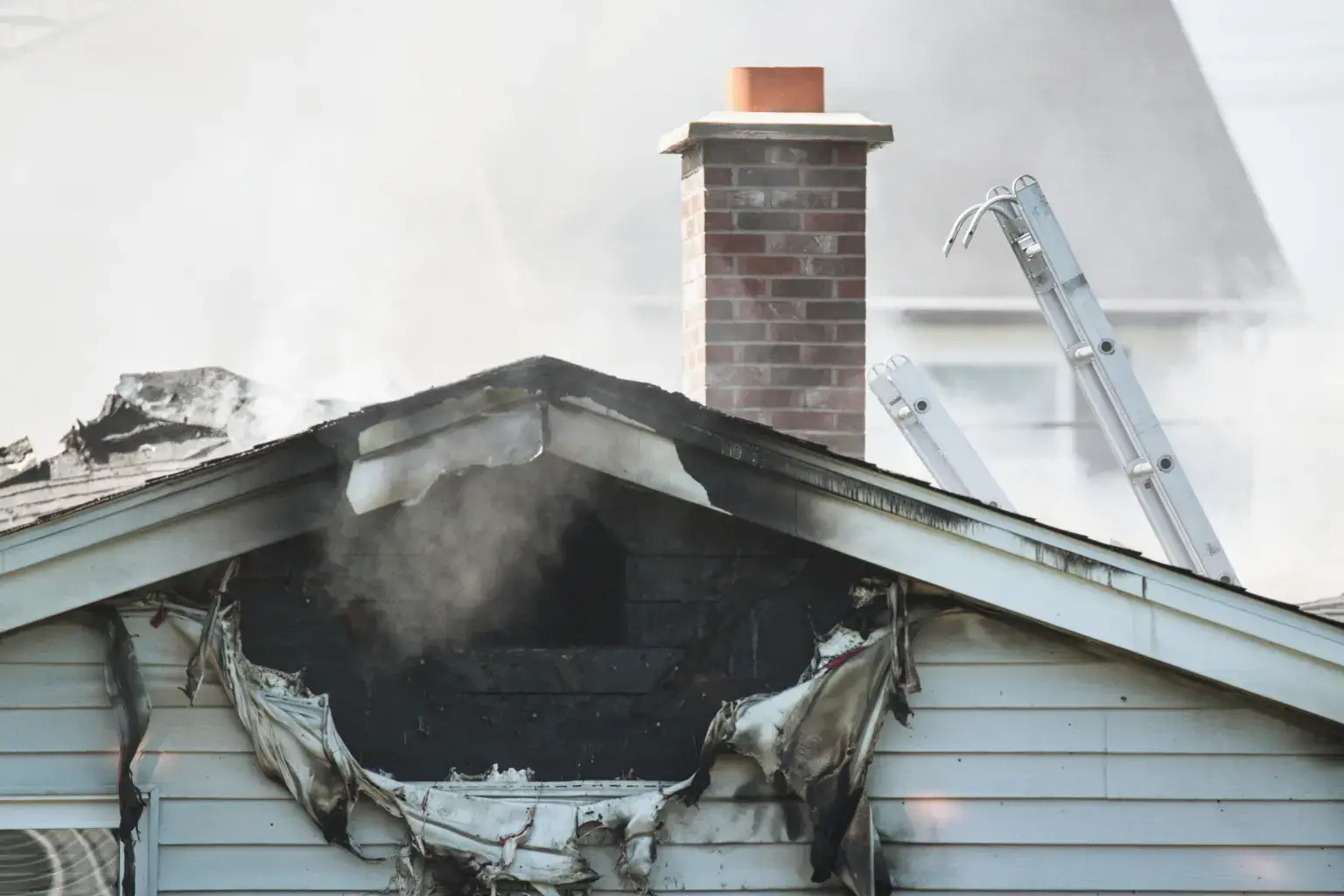
Water leaks and floods rarely feel small when they happen. A pipe bursts, a roof drips overnight, or rainwater finds its way inside. Once the water is gone, a new worry sets in. Many San Diego homeowners start asking the same question: how fast does mold grow after this kind of damage?
That question usually comes with anxiety. Homeowners worry about health risks, damage spreading behind walls, and whether they waited too long to act. Parents think about indoor air quality. Property owners worry about repairs becoming bigger and more disruptive. Even after surfaces look dry, the concern lingers.
At A/S General Contracting, we work with San Diego homeowners dealing with water damage and mold concerns every day. As a local restoration company, we’ve seen how quickly mold can develop after a leak or flood, especially when moisture stays trapped out of sight. This guide explains how fast mold grows, what affects the timeline, where it usually appears, and what steps help reduce risk after water exposure.
By the end, readers will understand the mold growth timeline, what conditions allow mold to spread, and when it’s time to take action to protect their home.
How Fast Does Mold Grow After Water Damage?
Many homeowners are surprised by the answer. How fast does mold grow depends on moisture, temperature, and materials, but growth can begin much sooner than most people expect.
In many cases, mold starts developing within 24 to 48 hours after a water leak or flood. That timeline shortens when humidity is high or when water soaks into porous materials like drywall, wood, insulation, or carpet.
Mold spores exist naturally in the air. They don’t need to be introduced after a leak. Once moisture appears, spores settle and begin growing. That’s why drying alone is not always enough if water has already soaked into building materials.
The Timeline of Mold Growth After a Leak or Flood
Understanding the timeline of mold growth helps homeowners know why early action matters.
First 24 hours:
Moisture spreads into nearby materials. Walls, floors, and insulation absorb water. Mold spores begin activating, though growth may not yet be visible.
24–48 hours:
This window is when mold often begins forming. Dark spots may not appear yet, but growth can start behind walls, under flooring, or in ceilings.
48–72 hours:
Visible mold may begin to appear. Odors often develop. Materials start breaking down as mold feeds on organic surfaces.
After 72 hours:
Mold colonies expand. Damage becomes more complex. Air quality concerns increase, and cleanup becomes more involved.
This timeline explains why homeowners who ask how fast does mold grow are often already within a narrow response window.
Mold After Water Damage Is Often Hidden
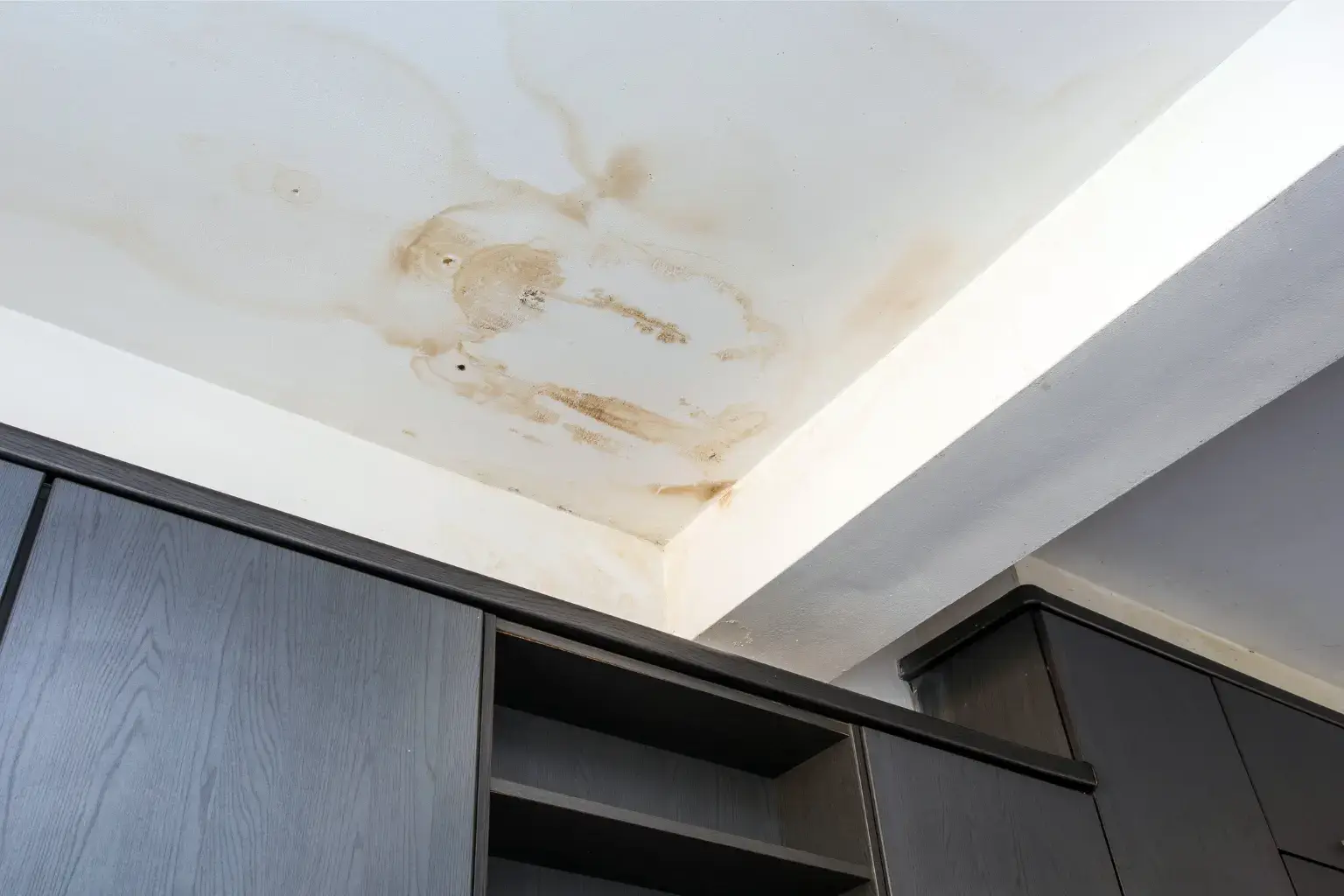
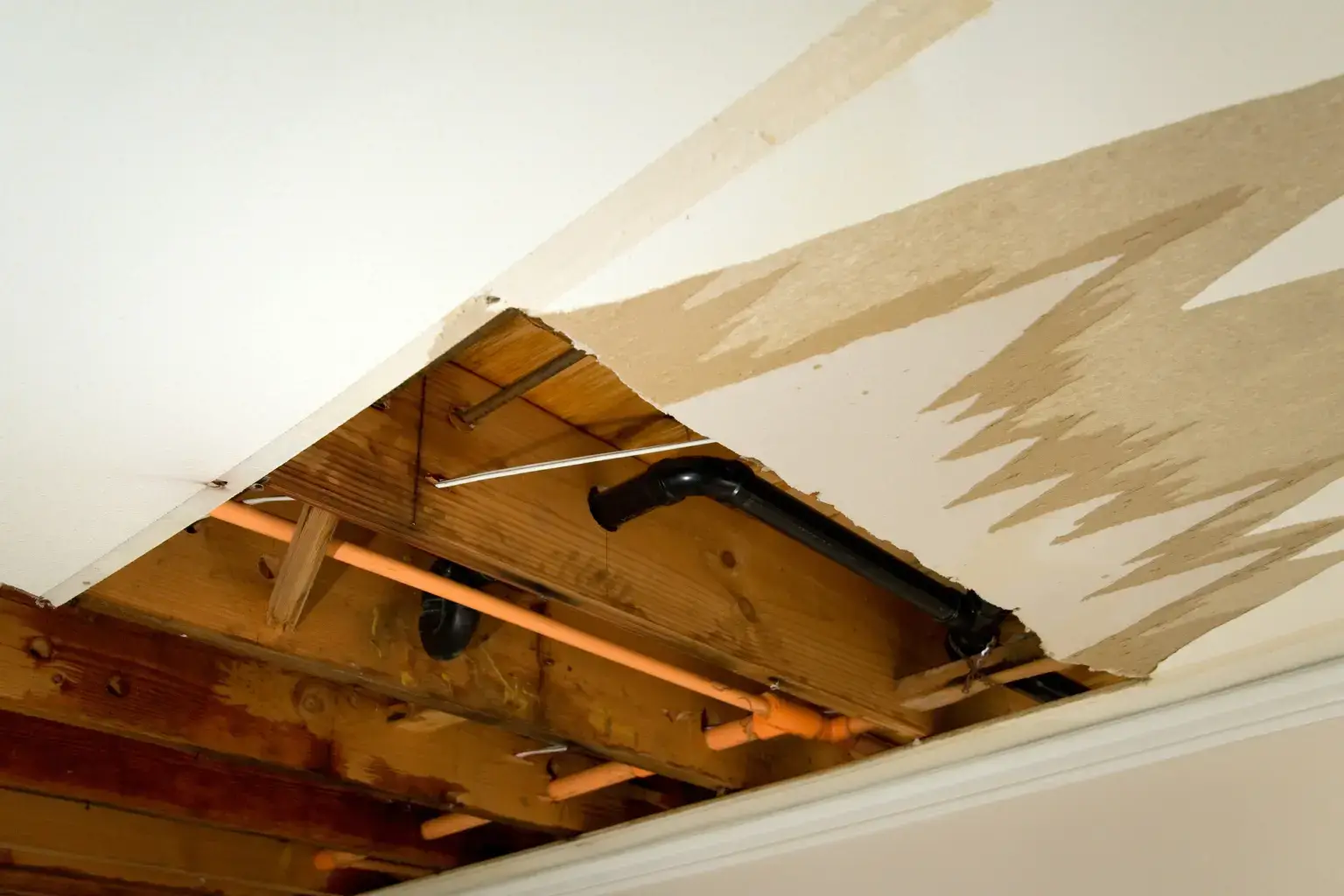
One of the hardest parts about mold after water damage is that it often grows where homeowners can’t see it. Mold prefers dark, damp areas with limited airflow.
Common hidden locations include:
- Inside wall cavities
- Under flooring and carpet padding
- Above ceilings
- Inside attics
- Behind cabinets and baseboards
A home may look dry while mold continues growing underneath surfaces. Our article
Will a Leak in the Roof Cause Mold? explains how water entering from above often leads to hidden mold in ceilings and attic spaces.
Mold Growth Conditions Inside Homes
To understand how fast does mold grow, it helps to know what mold needs to survive. Mold growth conditions are common in many homes after water exposure.
Mold needs:
- Moisture from leaks, floods, or humidity
- Organic materials like drywall paper or wood
- Limited airflow
- Warm indoor temperatures
San Diego’s climate allows mold growth year-round, especially in coastal and shaded areas. Even small leaks can create the right conditions if moisture stays trapped.
Leak Mold Growth vs Flood Mold Growth
Leak mold growth and flood mold growth follow similar patterns, but floods usually increase risk faster.
Leak mold growth often starts slowly. A dripping pipe or roof leak feeds moisture into the same area over time. This steady exposure creates long-term mold risk behind walls.
Flood mold growth spreads faster. Water reaches multiple materials at once, soaking floors, walls, and insulation. Without rapid drying, mold growth accelerates across larger areas.
Signs Mold May Be Growing After a Leak
Visible mold is not always the first sign. Many homeowners notice other changes first.
Common signs include:
- Musty or damp smells
- Worsening allergy symptoms indoors
- Darkening spots on walls or ceilings
- Peeling paint or bubbling surfaces
Our article Does Black Mold Have a Smell? explains how odors often appear before visible growth.
Health Concerns Related to Mold Growth
Mold exposure affects people differently. Some experience mild irritation, while others develop stronger reactions.
According to the California Department of Public Health Mold Guide, mold can trigger respiratory symptoms, skin irritation, and headaches. The National Institute of Environmental Health Sciences also explains how mold exposure affects sensitive individuals, including children and older adults.
Because mold can spread quietly, understanding how fast does mold grow helps homeowners act before health issues develop.
Why Drying Alone May Not Stop Mold Growth
Many homeowners dry visible water and assume the risk has passed. Fans and open windows help, but moisture often remains trapped in materials.
Water inside drywall or under flooring does not dry at the same rate as surface water. Mold continues growing even when surfaces feel dry to the touch. That’s why drying methods must address hidden moisture, not just visible water.
Attics and Basements Are High-Risk Areas
Attics and basements often see mold growth after leaks because they have limited airflow and hidden moisture.
Roof leaks frequently lead to attic mold growth. Flooding or seepage often affects basements. These areas can go unchecked for weeks, allowing mold to spread further.
Understanding how fast does mold grow is especially important in these spaces, where growth often goes unnoticed until damage becomes obvious.
Why Early Action Makes a Difference
Mold spreads over time. Materials break down. Cleanup areas expand. Acting early keeps remediation smaller and reduces disruption.
Homeowners who respond within the first 24 to 48 hours after water exposure often limit mold growth significantly. Waiting allows moisture to remain trapped, increasing risk and repair scope.
A/S General Contracting: Local Experience Matters
A/S General Contracting is a San Diego-based restoration company that works with homeowners dealing with water damage and mold concerns. We understand local construction styles, moisture risks, and how leaks commonly affect homes throughout the area.
Our team focuses on clear communication, honest assessments, and practical solutions. Pricing depends on the size of the affected area, materials involved, and the extent of mold growth. Homeowners receive clear explanations so they know what to expect before work begins.
Our goal is to help the community protect homes and indoor air quality through education and responsible restoration.
How We Support the Community With Our Services
If you’ve experienced a water leak or flood and are concerned about mold, our services are designed to support San Diego homeowners dealing with mold growth risks:
We take pride in supporting our local community by responding quickly, addressing moisture at the source, and treating every home with care.
Contact a Local Mold Specialist Today
If you’re asking how fast does mold grow, there’s a good chance moisture has already been present. Mold does not stop on its own, and waiting often allows damage to spread further.
Call A/S General Contracting at (858) 923-5166 to speak with a local restoration professional and schedule an inspection. Our team is here to help San Diego homeowners protect their homes and indoor environments after water damage.